
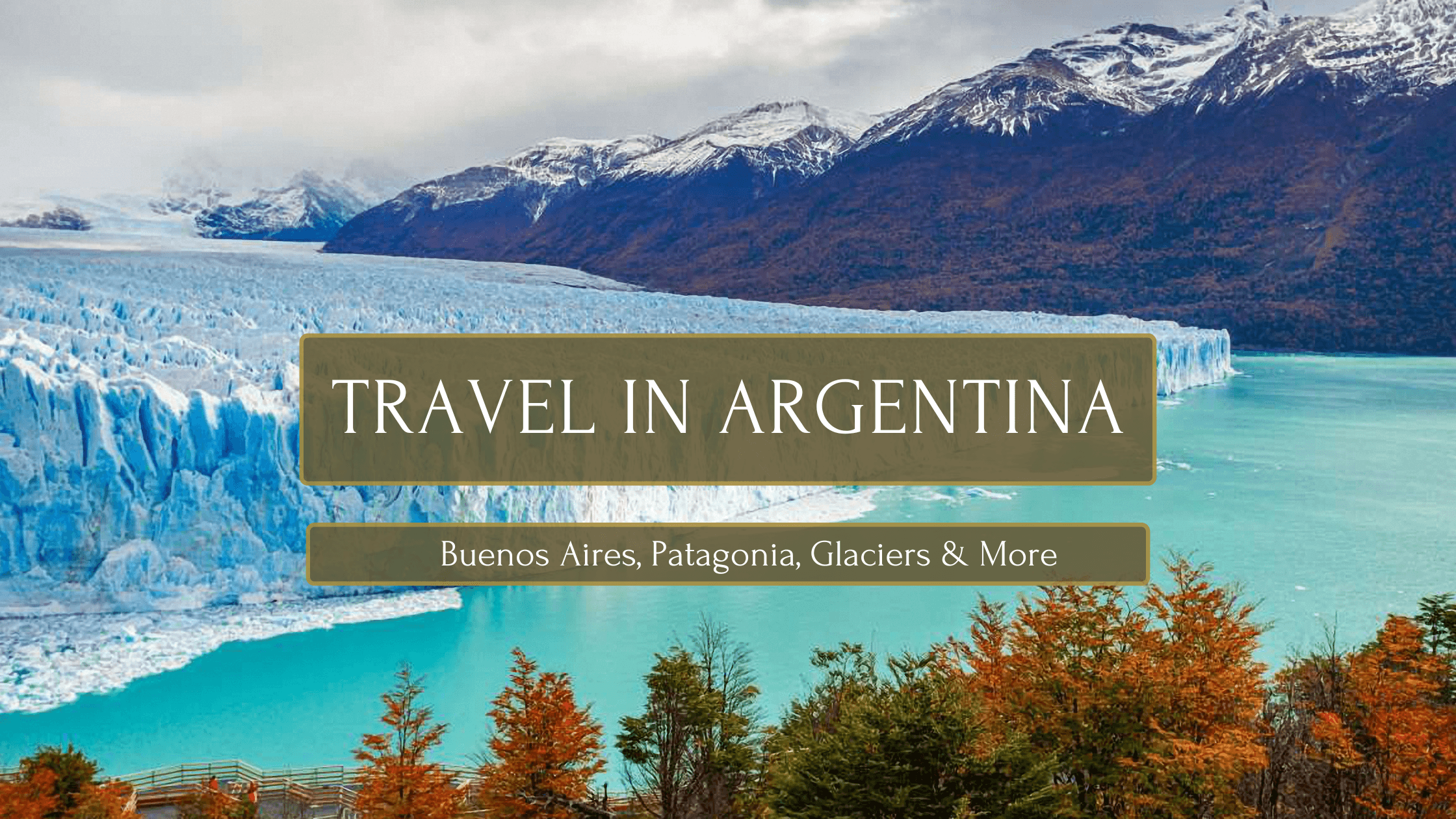
Travel in Argentina Like a Local: Your Complete Trip Guide
Buenos Aires, Patagonia, Glaciers & More - A Travel Blog for Every Journey
Argentina is one of Latin America’s most accessible destinations for independent travellers, families, and digital nomads. A trip to Argentina offers world-class wine valleys in Mendoza, vibrant tango culture in Buenos Aires, stunning Patagonian glaciers, and authentic colonial architecture in Salta. Whether you’re hiking to Cerro Fitz Roy in El Chaltén, exploring penguin colonies near Puerto Madryn, witnessing the thundering Iguazú Falls, or experiencing culture like a local in San Telmo, Argentina delivers experiences without sacrificing comfort or safety.
This travel blog covers everything for planning your trip to Argentina—from booking flights and finding accommodation to understanding weather and staying safe. Whether it’s your first Latin American adventure or your tenth, this guide helps you discover things to do in Argentina and find your favourite places across this remarkable country.
Quick Facts About Argentina
Capital: Buenos Aires
Currency & Exchange: Argentine Peso (ARS). Exchange rates fluctuate; check current rates at XE.com before converting from USD or Euro. ATMs are abundant in major cities; change money at established banks rather than street exchanges. Find cheap exchange rates at downtown banks rather than tourist areas.
Language: Spanish (widely spoken; English common in tourist areas and Buenos Aires)
Time Zone: ART (UTC-3). Argentina does not observe daylight saving time.
Visa: Most citizens of North America, Europe, Australia, and New Zealand receive 90 days visa-free.
Electricity: 220V, 50 Hz. Type I plugs (two flat angled pins). Bring a universal adapter.
Budget Range: Argentina remains affordable. Budget travellers: USD 30–50/day; mid-range: USD 60–120/day; luxury: USD 150+/day. Buenos Aires costs more than Mendoza or Salta.
Flights to Argentina: Getting Your Trip Started
Major Airports
Ministro Pistarini International Airport (Ezeiza) in Buenos Aires is the primary international hub, 35km south of the city. Córdoba and Mendoza airports handle regional flights. Most international carriers serve Buenos Aires, with connections to Chile, Bolivia, and throughout South America.
Flight Routes & Booking
From the US, most flights connect through Miami or Houston before reaching Buenos Aires (8–10 hours from East Coast). European flights depart from Madrid or London (12–15 hours). Book domestic flights within Argentina 2–4 weeks ahead for better rates. Tuesday departures often cost less than weekend flights.
Set price alerts two months before your preferred dates. Consider flying into Buenos Aires and departing from a different city—maximizing your trip while potentially saving money on affiliate links through flight comparison platforms.
Hotels in Argentina: Finding Your Accommodation
Types of Lodging
Buenos Aires offers luxury hotels, mid-range properties, and well-maintained hostels. Guesthouses and Airbnb apartments work well in Palermo and San Telmo. Wine country near Mendoza features vineyard lodges and estancias (working farms). Patagonia offers mountain lodges. Rural areas have simpler hospedaje (guesthouses) and basic hotels with terrace seating.
Price Ranges by Travel Style
Budget: Hostels USD 20–40/night (dorms USD 12–20)
Mid-range: Comfortable hotels USD 50–120/night with breakfast
Luxury: High-end properties USD 150–400+/night
Popular Areas & Neighbourhoods
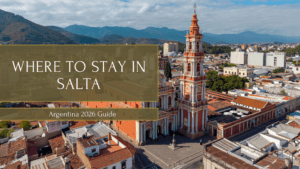
Buenos Aires travellers stay in Palermo (galleries, restaurants), San Telmo (historic, atmospheric), La Boca (colourful, touristy), or Puerto Madero (modern, waterfront). Families prefer quieter Recoleta. Outside Buenos Aires, Mendoza suits wine tours, Bariloche offers mountain scenery, El Calafate provides glacier access, and Salta showcases colonial culture. When exploring the best neighborhoods in Buenos Aires, it’s essential to consider the unique experiences each area offers. For instance, the vibrant street art of La Boca adds a cultural richness that attracts both locals and tourists alike. Additionally, each neighborhood features a distinctive culinary scene, making the city a paradise for food enthusiasts.
Choosing Where to Stay
Families benefit from quieter neighbourhoods with nearby restaurants. Solo travellers enjoy hostels in central areas for social opportunities. Digital nomads prefer apartments for longer stays with kitchen access.
Things to Do in Argentina: Seasonal Weather & Best Times
Understanding Argentine Seasons
Argentina spans vast latitudes—climate varies dramatically from subtropical Salta to cool Patagonia, with rainfall heaviest in the north and lightweight in the south.
Spring (September–November): Temperatures 15–25°C. Excellent weather; wildflowers bloom. Few crowds.
Summer (December–February): 25–35°C in central regions; peak tourist season and most expensive. Buenos Aires becomes uncomfortably hot; locals often leave. Patagonia remains mild with extended daylight.
Autumn (March–May): 15–25°C, fewer tourists, stable weather. Underrated season.
Winter (June–August): 5–15°C in central areas. Mountain passes close. Buenos Aires stays mild. Ideal for avoiding crowds.
Best Time for Your Itinerary
September–November and March–May offer ideal conditions throughout Argentina. December–February brings heat but maximum daylight in Patagonian regions. For El Chaltén trekking and Patagonian exploration, plan December–March to access mountain trails. Wine tours work year-round; autumn is perfect.
Families with young children avoid summer heat; spring and autumn suit multi-region trips better for Iguazú Falls visits and mountain excursions.
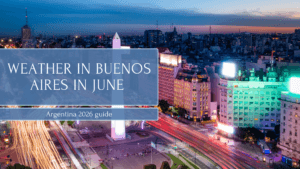
Weather in Buenos Aires, Argentina in June
Weather in Buenos Aires, Argentina in June (2026 Guide) June is winter in Buenos Aires, but don’t expect frozen landscapes. The city experiences mild, dry
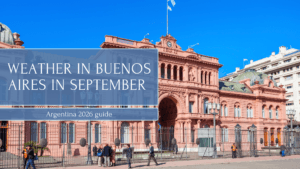
Weather in Buenos Aires, Argentina in September
Weather in Buenos Aires, Argentina in September (2026 Guide) September is when Buenos Aires wakes up. After winter’s chill, the city hits that sweet spot—mild,
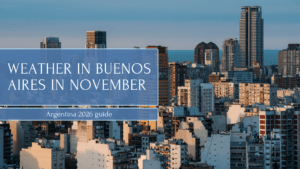
Weather in Buenos Aires, Argentina in November
Weather in Buenos Aires, Argentina in November November in Buenos Aires is spring in full bloom—and it’s one of the best times to visit. Temperatures
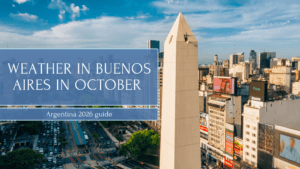
Weather in Buenos Aires, Argentina in October
Weather in Buenos Aires, Argentina in October October is spring in Buenos Aires, and it shows. The city shakes off winter with warm afternoons, blooming
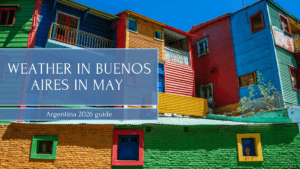
Weather in Buenos Aires, Argentina in May
Weather in Buenos Aires, Argentina in May May brings autumn to Buenos Aires, and it’s a genuine shift. The weather in Buenos Aires in May
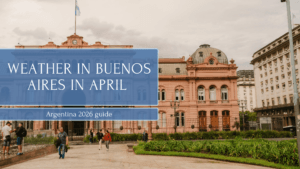
Weather in Buenos Aires, Argentina in April
Weather in Buenos Aires, Argentina in April April hits Buenos Aires at an interesting inflection point. Summer heat is fading, autumn is settling in, and
Is Argentina Safe? A Realistic Overview
Argentina ranks among Latin America’s safer destinations. Buenos Aires is a major world city with reliable infrastructure, though some neighbourhoods require caution. Robbery is uncommon for tourists who exercise basic precautions.
Common Concerns & Practical Safety
Petty theft in crowded areas (public transport, markets) is most common. Use official taxi services or ride-sharing apps. Avoid displaying valuables. Withdraw cash from ATMs in busy locations during daylight. Keep document copies separate. Rural Patagonia and Salta are very safe; violent crime affecting tourists is rare. Check current travel advisories before departure.
Who Argentina Is Best For
Families: Buenos Aires museums, parks, and farm stays in Mendoza suit all ages. Patagonia hiking and glacier tours appeal to adventurous families. Cuisine is familiar; locals welcome children.
Backpackers: Well-established hostel circuit through Buenos Aires, Mendoza, Bariloche, and Patagonia. Cheap long-distance buses from any bus station. Budget-friendly throughout.
Digital Nomads: Buenos Aires and Bariloche have growing communities. Reliable internet in cities. Affordable compared to North America/Europe. Good time zones for American clients.
First-Time Latin America Visitors: Argentina feels European—less culture shock. Spanish is learnable. Infrastructure is reliable. You’ll experience authentic argentinian culture like a local without steep adjustment curves.
Planning Your Trip to Argentina: Detailed Itinerary Options
Duration:
Two weeks: Buenos Aires (5 days) → Mendoza wine region (3–4 days) → Patagonia (5–7 days)
One month: Add Salta, El Bolsón, or a road trip along Ruta 40
Sample Itineraries
Classic Route: Buenos Aires → Mendoza (vineyard tours, malbec tastings) → Bariloche (mountain scenery) → El Calafate and El Chaltén (Perito Moreno Glacier, trekking to Fitz Roy) → return to Buenos Aires
Wine & Culture: Buenos Aires (tango, museums, Caminito in La Boca) → Mendoza (3–5 days wine excursion) → Salta (colonial architecture, Andean culture) → return to Buenos Aires
Patagonian Explorer: Buenos Aires → El Calafate (2–3 days glacier excursion) → El Chaltén (3–5 day trek to Fitz Roy, one of the south to see destinations) → Puerto Madryn (whale watching) → Ushuaia (southernmost city)
Complete Adventure: Buenos Aires → Iguazú Falls (northeast, shared with Brazil and Paraguay) → Salta (northwest culture) → Mendoza (wine) → El Chaltén (trekking) → El Bolsón (mountain village) → Bariloche (Andean lakes) → Patagonia to Chile border
High Altitude Trek: Mendoza → Aconcagua National Park trek → Aconcagua (Western Hemisphere’s highest peak) → El Chaltén for additional trekking → return via Buenos Aires
Transport & Getting Around
Domestic flights are affordable between distant cities. Long-distance buses are comfortable and cheap; overnight options save accommodation costs. Within cities, use public transport or ride-sharing. Driving is optional; road conditions vary outside major routes. Some travellers explore via road trips southward.
Staying Connected
Prepaid SIM cards are inexpensive at airports and shops. Mobile coverage is good in major cities and tourist areas. Wi-Fi is standard in hotels, hostels, and cafés. Rural regions have patchy coverage.
Great Excursions & Favourite Places: Experience Argentina Like a Local
Buenos Aires Excursions
Eat asado (grilled meats) at parrillas, sip malbec at a café terrace, dance tango in historic venues, take a cycling tour around the city, enjoy empanadas and excellent food at markets, and explore on foot around Buenos Aires neighbourhoods. Half-day excursions to nearby estancias let you experience rural life. Three-day detours reveal hidden favourite places travellers miss.
Patagonian Experiences
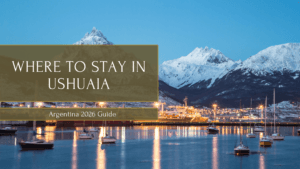
El Chaltén offers world-class trekking. The three-hour walk to Laguna de los Tres Picos or challenging all-day trek to Fitz Roy showcase patagonian mountain beauty. Perito Moreno Glacier near El Calafate provides dramatic ice experiences. Puerto Madryn offers whale watching and penguin excursions. Ushuaia serves as departure point for Antarctica depart expeditions via Ushuaia tourism board.
Cultural Immersion
Salta’s colonial plazas, Iguazú Falls’ thundering majesty, and Aconcagua’s alpine grandeur showcase argentina’s geographic diversity. Villa stays in El Bolsón combine mountain scenery with artisan culture. Throughout Argentina, stay in small towns, eat at local parrillas, and chat with Argentinians in cafés to experience culture authentically.
Place in Argentina Worth the Detour
Iguazú Falls ranks among South America’s greatest natural wonders according to UNESCO World Heritage. Shared between Argentina, Brazil, and Paraguay, the Argentine side offers the closest views and best walking trails. The roaring cascade, lush subtropical vegetation, and bird life create unforgettable Iguazú Falls memories.