Where to Stay in El Calafate, Argentina (2026 Guide)
Where to Stay in El Calafate, Argentina (2026 Guide)
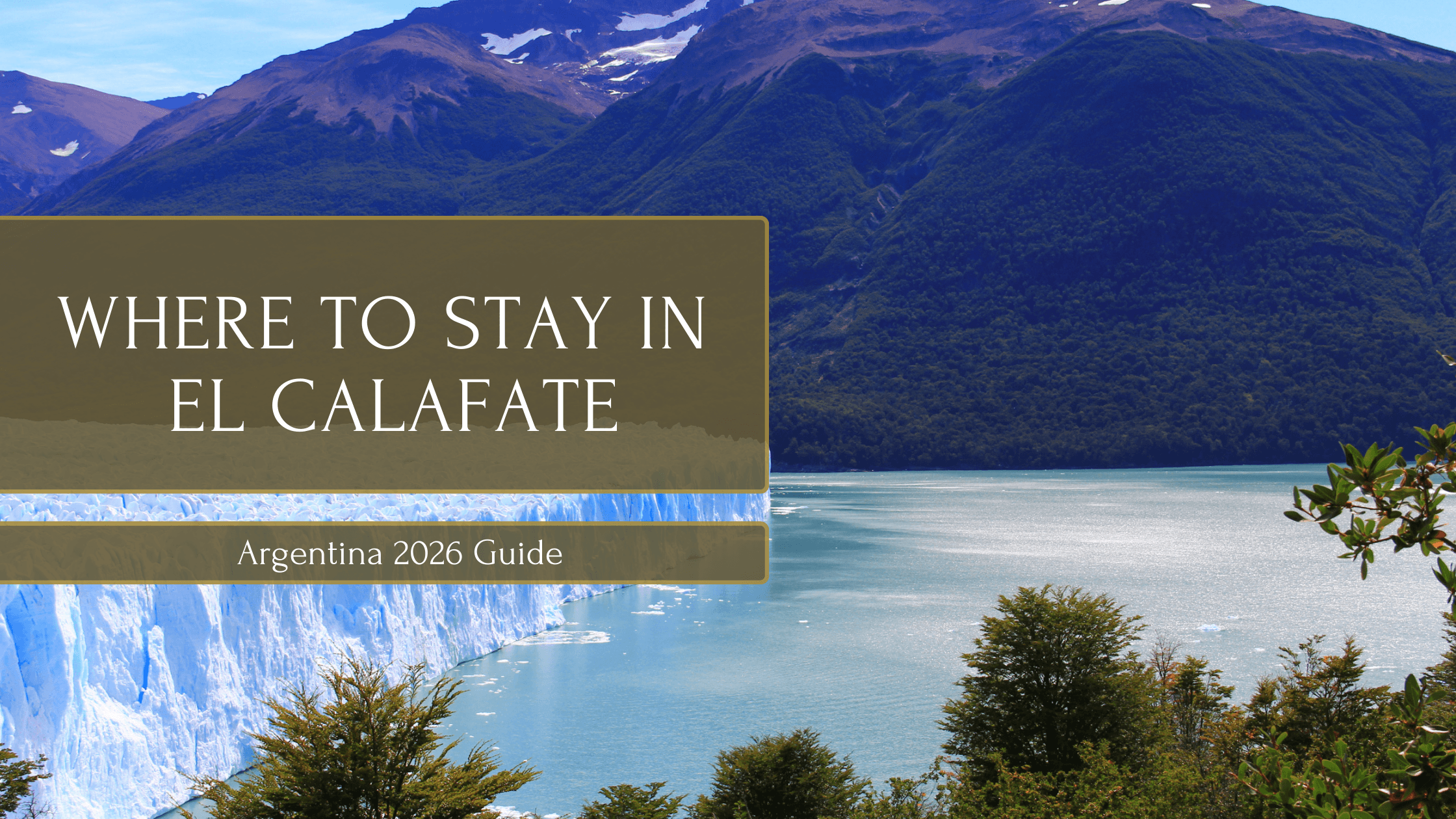
El Calafate is the gateway to Patagonia’s most famous draw: the Perito Moreno Glacier. This small town in Argentina sits on the shores of Lago Argentino in Los Glaciares National Park, and choosing the right accommodation shapes your entire experience.
The question isn’t just where to stay in El Calafate—it’s whether you want walkable downtown access, a cozy hotel with spa amenities, or a budget-friendly hostel with adventure travelers. Most places to stay cluster within walking distance of the centre, but the difference between El Centro and quieter neighborhoods is significant.
What to Expect in This Post
This guide to where to stay is built for quick scanning and real-world decisions. Here’s what you’ll get:
- Best places to stay in El Calafate, broken down by 5 neighborhoods
- How to pick between hotels, boutique hotels, hostels, and apartments
- Safety, walkability, and Patagonian vibe in each area are enhanced by proximity to the Xelena Hotel.
- Best locations for accessing the famous Perito Moreno Glacier and Los Glaciares National Park are near the center of El Calafate.
- Real guidance on when a cozy hotel makes sense vs. a hostel
- Where NOT to stay and why
Where to Stay in El Calafate: Quick Overview
- Downtown El Calafate (El Centro) – Main street activity, tourist hub, walkable to everything
- Barrio Belgrano – Quieter Patagonian neighborhoods, local Argentine feel, still accessible
- Laguna Nimez Area – Nature focus, views of the lake, more isolated
- Avenida del Libertador – Mid-range sprawl, good for families, standard amenities
- West of Río Santa Cruz – Budget accommodations, growing area, requires planning
Downtown El Calafate: The Heart of Patagonia
Best for: First-time visitors, couples, travelers wanting a comfortable stay within walking distance
Vibe: the essence of Patagonia in El Chaltén. Touristy, busy, authentic Patagonian energy
Safety: High; police presence throughout downtown
Downtown El Calafate is the heart of the town, centered on the main street. Most el calafate hotels here range from 4-star properties to boutique hotel options. You’re within walking distance of restaurants, tour operators, and shops. Transport to the famous Perito Moreno Glacier leaves from here.
The main street fills with travelers during peak season (December–February), and noise carries into evenings. But convenience is unmatched. A cozy hotel downtown or a stylish boutique hotel puts you exactly where things happen. Transfers to the city center are zero minutes—you’re already there.
Accommodation types span budget to 5-star hotel options, including the Patagonia Queen Hotel. Book 6–8 weeks ahead during Patagonian summer for the best hotels in El Calafate.
Barrio Belgrano: Quiet Patagonian Character
Best for: Solo travelers, couples seeking Argentine authenticity, repeat visitors
Vibe: Residential, peaceful, genuinely local
Safety: Very high; tree-lined streets; minimal traffic
Barrio Belgrano sits just north of downtown but feels completely separate. This is where Patagonia’s actual residents live. Small cafés, family homes, and a quiet pace define the neighborhood. You’ll find cozy hotels and local-run establishments rather than chains.
A comfortable stay here means 15-minute walks to main street restaurants and tour operators, but you escape tourist crowds. Boutique hotel options and small guesthouses are common. The trade-off: fewer late-night venues and less constant activity.
Winter (June–August) is especially peaceful for a Patagonian getaway, though the entire region quiets then.
Laguna Nimez: Nature & Views of the Lake
Best for: Hikers, nature lovers, families wanting space, birdwatchers
Vibe: Serene, focused on nature, somewhat removed from town activity
Safety: Safe; quieter; fewer street lights but low crime
Laguna Nimez lies south of downtown, centered around a wildlife reserve where you’ll see Patagonian birds, flamingos, and upland geese. A few hotels sit here; it’s still part of El Calafate but deliberately separate. Views of the lake and direct access to nature trails define this location.
Choose Laguna Nimez if you want genuine peace and direct outdoor access. The downside: you’re car-dependent for shops and restaurants. A 20-minute walk or taxi ride reaches downtown. This works for bird hikes and nature-focused trips, less so for nightlife.
Avenida del Libertador: Practical Mid-Range Base
Best for: Families, budget-conscious travelers, and practical visitors needing good transport can find options near the center of El Calafate.
Vibe: Functional, residential-commercial blend, standard Patagonian development
Safety: Safe; standard amenities; family-friendly accommodations like the Xelena Hotel.
Avenida del Libertador is the highway corridor west of downtown. Here you’ll find mid-range el calafate hotels, hostels, and apartments at decent prices. It’s less chaotic than the main street but still connected to services.
This zone works well for families and travelers with cars. Parking is available, and bus connections are good for those staying at the Estancia. You’re outside the downtown crush without losing practical access. It’s neither scenic nor adventurous—it’s functional. Useful if you want to stay in El Calafate without staying downtown, especially near the hotel Kosten Aike.
West of Río Santa Cruz: Budget Patagonian Living
Best for: Budget backpackers, remote workers, long-term stays, adventurers
Vibe: Under-developed but growing, very local, emerging accommodation scene
Safety: Safe; fewer tourists; less foot traffic
West of Río Santa Cruz, you’ll find cheaper apartments and budget hostels catering to backpackers and long-term visitors. The Patagonian landscape opens up here with flatter terrain and easier parking. It’s where locals increasingly live as tourism prices rise elsewhere, particularly around Kosten Aike.
This area is gaining restaurants slowly, but as of 2026 you still commute to downtown for most dining and activity. It works for budget travelers, digital nomads, and those with transport. Infrastructure improves monthly, but check recent reviews on your chosen hostel or apartment.
Safety is fine—there’s just less foot traffic, so solo travelers should plan evening transport.
Best Places to Stay for First-Time Visitors to El Calafate
For your first visit to Patagonia, downtown El Calafate or Barrio Belgrano are essential. Downtown if you want maximum walkability and easy access to the famous Perito Moreno Glacier tours; Belgrano if you want a quieter Patagonian experience without sacrificing access.
Both neighborhoods are safe, both offer good accommodations from hostel to boutique hotel, and both let you explore Argentina’s heart without constant transport logistics.
Best Areas by Travel Style
Want to hike near El Chaltén or explore Los Glaciares National Park? Downtown or Belgrano. Easy transport from either.
Prefer a spa and 4-star hotel experience? Downtown has upscale options with amenities; Belgrano has smaller boutique hotel properties with character.
Traveling with kids? Consider family-friendly hotels in El Calafate. Belgrano or Laguna Nimez. Lower traffic, quieter streets, family vibes. Downtown can feel chaotic during peak Patagonian season.
Budget backpacker? West of Río Santa Cruz or a hostel on Avenida del Libertador. Cheapest places to stay in El Calafate overall.
Hotel vs. Apartment: What Works Best
Hotels (including boutique hotel options) work for 1–3 nights. Daily housekeeping, 24-hour service, and tour desk convenience matter for short visits. A cozy hotel or 4-star hotel in downtown makes logistics simple.
Apartments make sense for 4+ nights. Kitchens save money, they feel like home, and Belgrano and west-of-river areas have good inventory. You lose daily service but gain flexibility and space, especially in apartments near the center of El Calafate.
Staying while exploring Argentina broadly? Hotel. Staying to hike, rest, and work remotely? Apartment options are available near the center of El Calafate. As you explore Patagonia’s breathtaking landscapes, be sure to take time to immerse yourself in the local culture and cuisine. Each village offers unique experiences, from traditional meals to artisan crafts that reflect the region’s heritage. Don’t miss the chance to witness the stunning wildlife that inhabits this remarkable part of the world.
Where NOT to Stay in El Calafate
El Calafate is genuinely small—there’s no truly unsafe zone. That said, avoid the far western edges beyond developed town unless you have a car and specific reason. They lack services and feel isolated.
Don’t book accommodation far north unless you want a nature retreat; transport costs negate savings.
Avoid very cheap, unreviewed hostels. El Calafate’s tourism infrastructure is mature and transparent. Use established booking sites.
Key Takeaways
- Where to stay in El Calafate depends on travel style: downtown for maximum access, Belgrano for Argentine character, Laguna Nimez for nature focus.
- Best places to stay for first-timers: downtown El Calafate or Belgrano, close to the hotel in El Calafate. Both are safe, walkable, and close to the famous Perito Moreno Glacier.
- Choose hotels or boutique hotels for short stays; apartments for 4+ nights or families.
- All main accommodation options are within walking distance of main street or 15–20 minutes by foot.
- Book 6–8 weeks ahead during December–February peak Patagonian season.
- El Calafate offers everything from budget hostels to 5-star hotels; your neighborhood choice matters more than the hotel itself.
- West of the river is cheapest; downtown is most convenient; Belgrano balances both.
FAQs
Is El Calafate safe for solo travelers?
Yes. This town in Argentina is small, well-policed, and tourist-oriented. Solo travelers (especially solo women) report feeling comfortable throughout downtown and Belgrano. Stay in these central neighborhoods for maximum walkability and foot traffic.
What's the best time to visit El Calafate, and does it affect accommodation options?
According to official Patagonia tourism guides, December–February is peak Patagonian summer: crowded and expensive, but longest daylight hours. Book 8 weeks ahead. June–August is winter: quieter, colder, cheaper, and more accommodation availability. Where to stay matters less off-season—all neighborhoods in the center of El Calafate open up.
Do I need a car to stay in El Calafate?
No. Downtown and Belgrano are fully walkable. Tours to the famous Perito Moreno Glacier include transport from your hotel. A car is useful only if staying far from downtown, preferring nighttime flexibility, or exploring surrounding Patagonia (like Ruta 40 toward El Chaltén).
How far is accommodation from Perito Moreno Glacier?
The glacier is 80 km west. All places to stay in El Calafate are equidistant. Tours pick up from hotels downtown and Belgrano; location doesn’t matter for glacier access. Transport typically runs 1.5–2 hours and is included in tour pricing.
What temperature should I pack for when I stay in El Calafate?
Wind is extreme year-round in Patagonia. Summer (Dec–Feb) averages 15–20°C; winter (Jun–Aug) is 5–10°C with 15°C daily swings. Bring wind-resistant jackets, layers, and sturdy walking shoes regardless of where you stay.
Can I book last-minute accommodation in El Calafate?
Off-season (June–August), yes—availability is high. Peak Patagonian summer (Dec–Feb), no—book 6–8 weeks ahead. Spring (Sept–Nov) and fall (Mar–May) need 3–4 weeks advance booking.
Are there groceries and ATMs throughout El Calafate?
Yes. Supermarkets and ATMs cluster downtown. Walking from Belgrano or Laguna Nimez takes 15–20 minutes. Plan shopping accordingly if staying west of the river.
Resources & Further Reading
For more on accommodation in Patagonia and El Calafate’s neighborhoods, check official Argentina tourism information, Patagonia travel guides from Lonely Planet, and local hotel reviews on established booking platforms.