Where to Stay in Salta, Argentina (2026 Guide)
Where to Stay in Salta, Argentina (2026 Guide)
Salta is a compact colonial city in the foothills of the Andes in northwest Argentina with genuine local culture, proximity to Cafayate wine country, and some of the most spectacular views in the province. Unlike Buenos Aires, the capital of Argentina’s tourist circuit, Salta still feels undiscovered—which means better value, fewer crowds, and neighborhoods that are actually walkable.
The challenge isn’t finding accommodation. It’s choosing the right area so you’re not stuck on the outskirts or in a tourist trap. This guide to Salta tells you exactly where to stay in Salta based on your priorities: safety, walkability, nightlife, and access to things to do in Salta.
What to Expect in This Post
This guide to where to stay is built for quick scanning and real-world decisions. Here’s what you’ll get:
- A breakdown of the best places to stay in Salta by neighborhood
- Who each area is best for and what the vibe actually is
- Real talk on safety and walkability in each zone
- Hotel in Salta and apartment options by neighborhood
- Where NOT to stay and why
- Quick answers to common questions about visit Salta logistics
Where to Stay in Salta: Quick Overview
- City Centre (Historic Center) – Colonial architecture, main square energy, bustling with locals and tourists
- Balcarce – Upscale residential, quiet, access to Cerro San Bernardo cable car and spectacular views
- San José – Bohemian, artsy, best restaurants and nightlife in the city
- Belgrano – Main tourist corridor, reliable hotel in Salta options, central location
- San Lorenzo – Emerging neighborhood, smaller boutique hotel properties, local vibe near foothills
City Centre: The Heart of the City
Best for: First-time visitors, couples, solo travelers, digital nomads who want maximum walkability
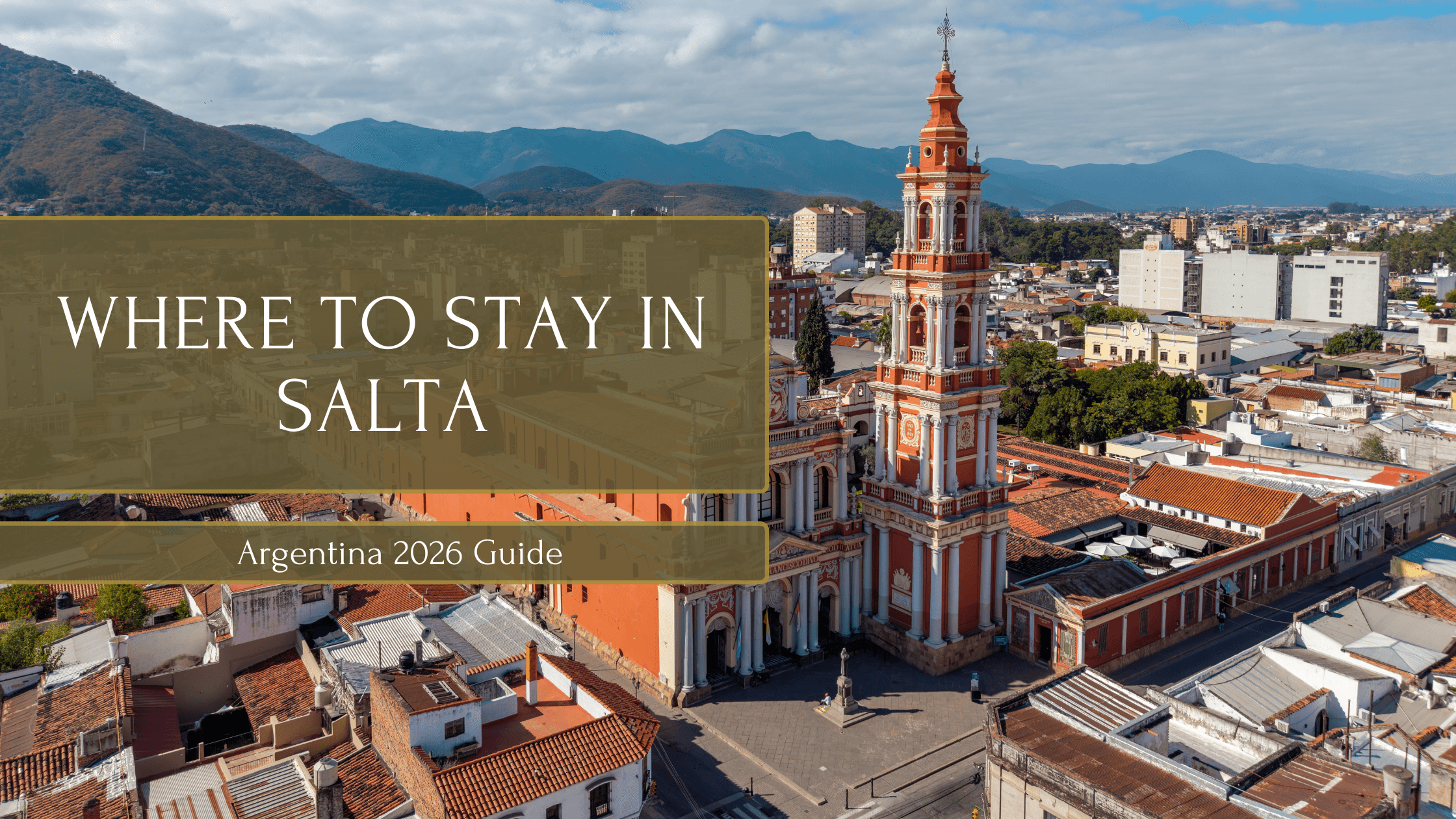
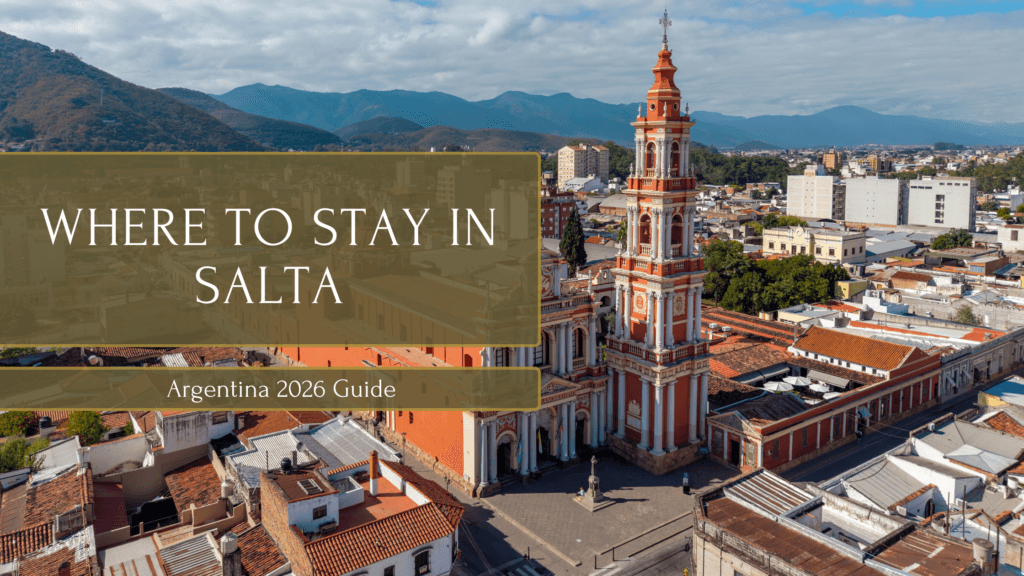
The city centre is Salta’s beating heart. You’ve got the Cathedral, Cabildo, Plaza 9 de Julio (the main square), and most major attractions within a 10-minute walk. Street life is real—cafés spill onto cobblestone streets, there’s always something happening around Plaza 9 de Julio, and you’re never more than a block from food or a pharmacy.
Safety is good during the day; after dark, stick to lit main streets. The bustle of Plaza General Güemes and Iglesia San Francisco keeps things lively. Walkability is excellent—most visitors can explore the city of Salta on foot. Accommodation here ranges from small colonial boutique hotel conversions to hostels with dorm rooms and mid-range properties, catering to all budgets in the province of Salta. The trade-off: it can feel touristy, and rooms back onto busy plazas during festivals.
Balcarce: Quiet Views of the Andes
Best for: Couples, families seeking peace, travelers willing to walk or take a short cab ride, digital nomad with a work base
Balcarce is a tree-lined residential neighborhood just uphill from the city centre. It’s where many young families and Argentine professionals live—quieter, safer at night, and still walkable to attractions (10–15 minutes downhill). The San Bernardo cable car departs from nearby, offering unbeatable views of the Lerma Valley and the Andes foothills.
The main drawback: you’ll need to walk down to the main square for major nightlife or get a cheap cab ride back up. Safety is excellent—one of the safest areas in Salta, Argentina. The vibe is residential but not isolated. A boutique hotel here often feels like a converted family home. Accommodation around this area is mostly small properties, guesthouses, and apartments—more spacious than downtown and better value for families or those staying longer.
San José: The Arts and Food District
Best for: Solo travelers, couples chasing the best places to eat, anyone seeking alternative nightlife, cultural explorers
San José has become the guide to Salta’s emerging cultural heart. It’s where independent galleries, craft breweries, vegetarian cafés, and local art collectives cluster. The vibe is bohemian and genuinely Argentine—you’re mingling with artists and young professionals, not tourist groups.
It’s slightly farther from the Cathedral (15–20 minutes walk), but still walkable and safe. Nightlife here is local; the restaurant quality is noticeably higher than elsewhere in the city of Salta. Things to do in Salta include exploring galleries and tasting at small producers. Accommodation is mostly small independent boutique hotel properties, artist-run guesthouses, and budget-friendly hostels. The downside: if colonial Salta architecture is your priority, you’ll need to travel to the city centre deliberately.
Belgrano: The Commercial Hub
Best for: Travelers prioritizing convenience, families, anyone seeking reliable chain hotels and modern amenities
Belgrano is the main commercial corridor running through Salta, Argentina. It’s loud, busy, and lined with hotel in Salta options, restaurants, and shops. Street-level it lacks colonial charm, but it’s functional and reliable.
The advantage is extreme convenience: taxis, cafés, restaurants, shops, and transport links everywhere. Safety is good during the day; the bustle of commercial activity provides visibility. Noise from traffic is real on higher floors. This is where you’ll find international chain hotels and mid-range properties. Best for travelers who prioritize logistics over atmosphere or those building an itinerary that needs maximum flexibility while exploring Salta city. Many visitors don’t realize the city centre is just two blocks away and fundamentally different.
San Lorenzo: The Mountain Approach
Best for: Budget travelers, longer stays, anyone wanting neighborhood feel with lower prices, those planning excursions to nearby Jujuy
San Lorenzo sits where the Lerma Valley begins, at the foothills of the Andes. It’s a quieter, more residential area with emerging guesthouses and small boutique hotel conversions. The cloud forest landscapes nearby make it ideal for an itinerary mixing city time with nature. Things to do in Salta from here include hiking in the Quebrada de las Conchas and day trips to Jujuy and Cafayate.
It’s farther from downtown (20+ minutes walk), so transport helps. Safety is solid; the neighborhood is genuinely local and authentic. Prices are lower than the city centre, making it a budget-friendly option for visitors to Salta city. This area works best for travelers staying a week or more, those comfortable with less creature comfort, or anyone pairing Salta and Jujuy wine and hiking experiences. It’s authentic Salta, the capital of the province, but not ideal for short stays focused on colonial architecture.
Best Neighborhoods for First-Time Visitors
City Centre Stay in the downtown area is the default choice for the best places to stay if you’re new to Salta, Argentina: walkable, safe, colonial architecture, main square energy. If accommodation near Plaza 9 is full, Belgrano is the reliable backup. When planning your trip to Patagonia, it’s essential to consider where to stay in Ushuaia to maximize your experience. The area offers a range of options, from cozy hostels to luxurious hotels with stunning views of the Beagle Channel. Each choice comes with its unique charm, making it an ideal base for exploring the surrounding natural wonders. If you’re looking for the best surf accommodations in El Tunco, the beachfront hostels offer a vibrant atmosphere that caters to surfers of all levels. With easy access to the waves and a friendly community, it’s a perfect spot to unwind after a day on the water. Additionally, various local eateries provide delicious Salvadoran cuisine to fuel your adventures.
Balcarce is excellent for couples or families; it offers a peaceful place base while preserving walkability. Avoid San Lorenzo for your first trip unless you speak Spanish or want a deeper local experience.
Best Restaurants, Nightlife, and Family Areas in Salta
Food: San José dominates; restaurant quality and range are noticeably better than those found in other areas of the province of Salta. City centre offers traditional Argentine dining; Belgrano is predictable chains. Cafayate wine tastings are a short drive away and excellent paired with dining itineraries that highlight the best hotels in Salta.
Nightlife: San José has craft breweries and local bars. City centre has traditional peñas (folk music venues) and tourist-friendly spots. Belgrano has chain bars but less character. For digital nomad looking for social scenes, city centre and San José win.
Families: Balcarce offers space, quiet, and safety near Cerro San Bernardo views. City centre works if kids enjoy walking and plaza time. Best time to visit with families is April–May (autumn) or September–October (spring) when weather is mild.
Hotel in Salta vs Apartment: Which Works Best?
Apartments often offer better value in Salta, Argentina, especially for stays over three nights. You get a kitchen, more space, and usually a washer. City centre and Balcarce have many good options. Look for accommodation around Plaza 9 de Julio for convenience or in quieter residential blocks for peace. If you’re planning to explore more of the region, consider accommodations in San Carlos de Bariloche, where the stunning scenery enhances your stay. Many options cater to various budgets and preferences, making it a great alternative to traditional hotels. Enjoy the beautiful lakes and mountains while relaxing in comfortable surroundings.
Hotels in Salta work better if you want daily cleaning, front-desk convenience, and flexibility. Small boutique hotel properties in the city centre offer personality that chains can’t match. For couples on short trips, hotels make sense. For families or longer stays, apartments typically win on space and cost.
Where NOT to Stay in Salta, Argentina
Avoid neighborhoods far north on Belgrano or south in industrial zones—they’re not dangerous, but they’re removed from Salta attractions and require taxis for everything. The bus terminal area can feel rough at night; it’s not off-limits but not ideal for tourism.
The west side beyond San Lorenzo is residential; don’t write it off for safety—write it off for convenience. You’ll spend more time commuting and less time exploring things to do in Salta. Stay within walking distance of the city centre or one of the main neighborhoods above.
Key Takeaways
- City centre is the default: walkable, safe, colonial architecture, main square energy. Best for first-timers and short stays in the city of Salta.
- San José has the best restaurants and most genuine nightlife. Choose it for food and local culture.
- Balcarce is best for couples and families seeking a peaceful place with safety and proximity to Cerro San Bernardo cable car views of the Andes.
- Belgrano offers reliable chain hotels and extreme convenience; expect less character and more traffic.
- San Lorenzo is budget-friendly and ideal for longer stays, Cafayate wine trips, or Jujuy excursions.
- Apartments usually beat hotels in Salta on value for stays over three nights.
- Avoid industrial zones; not dangerous, just inconvenient.
FAQs
Is Salta, Argentina safe for tourists?
Yes, Salta city is a vibrant destination. Salta is one of Argentina’s safest cities for tourists. City centre and Balcarce are very safe during the day and generally safe at night if you stick to lit main streets. Petty theft happens, but violent crime against tourists is rare. Standard urban precautions apply—don’t flash valuables, avoid empty streets at night. Argentina’s official tourism board recommends Salta as a reliable destination.
What's the best time to visit Salta?
April–May (autumn) and September–October (spring) are ideal: mild temperatures, low rain, comfortable walking weather. Summer months (December–February) are hot and humid. June–August is winter in Salta, but still accessible for travelers looking to explore the Yungas. Best time to visit Salta for hiking is April–May. Avoid holiday weeks if you want lower prices.
How far is Salta from Buenos Aires?
About 1,200 miles north. Flying takes 2–2.5 hours. Most travelers fly in rather than bus. Check Skyscanner for current fares.
Do I need travel insurance for Salta?
Travel insurance covering trip cancellation, medical care, and evacuation is recommended for any Argentina trip, including Salta. Many policies are inexpensive and offer peace of mind. As you embark on this adventure, make sure to explore the diverse flora and fauna that thrive in these regions. You’ll find that each destination offers a unique glimpse into Argentina’s natural beauty, allowing you to discover breathtaking landscapes in Argentina. From the vibrant colors of the Andes to the serene beaches of the coast, every vista is sure to leave you in awe.
Can I walk between neighborhoods in Salta?
Yes. City centre to Balcarce is a 10–15 minute walk uphill. City centre to San José is about 15–20 minutes. To San Lorenzo is 25+ minutes. To Belgrano is immediate—two blocks away. Walking helps acclimatize to the altitude; taxi rides cost $1–3, making it easy to explore Salta city.
Is Salta expensive compared to other cities in Argentina?
No. Compared to Buenos Aires, Salta is very affordable. A good dinner is $12–18. A mid-range hotel in Salta is $40–80. This makes it excellent value for visitors from North America or Europe.
Can I visit Cafayate and Jujuy from Salta?
Yes. Cafayate wine region is a 2.5-hour drive; most travelers book organized tours. Jujuy province attractions (Paleta de Pintor, Serranías de Hornocal) are 1–2 hours north. Building these into an itinerary is straightforward via tour operators or rental car with a driver.