
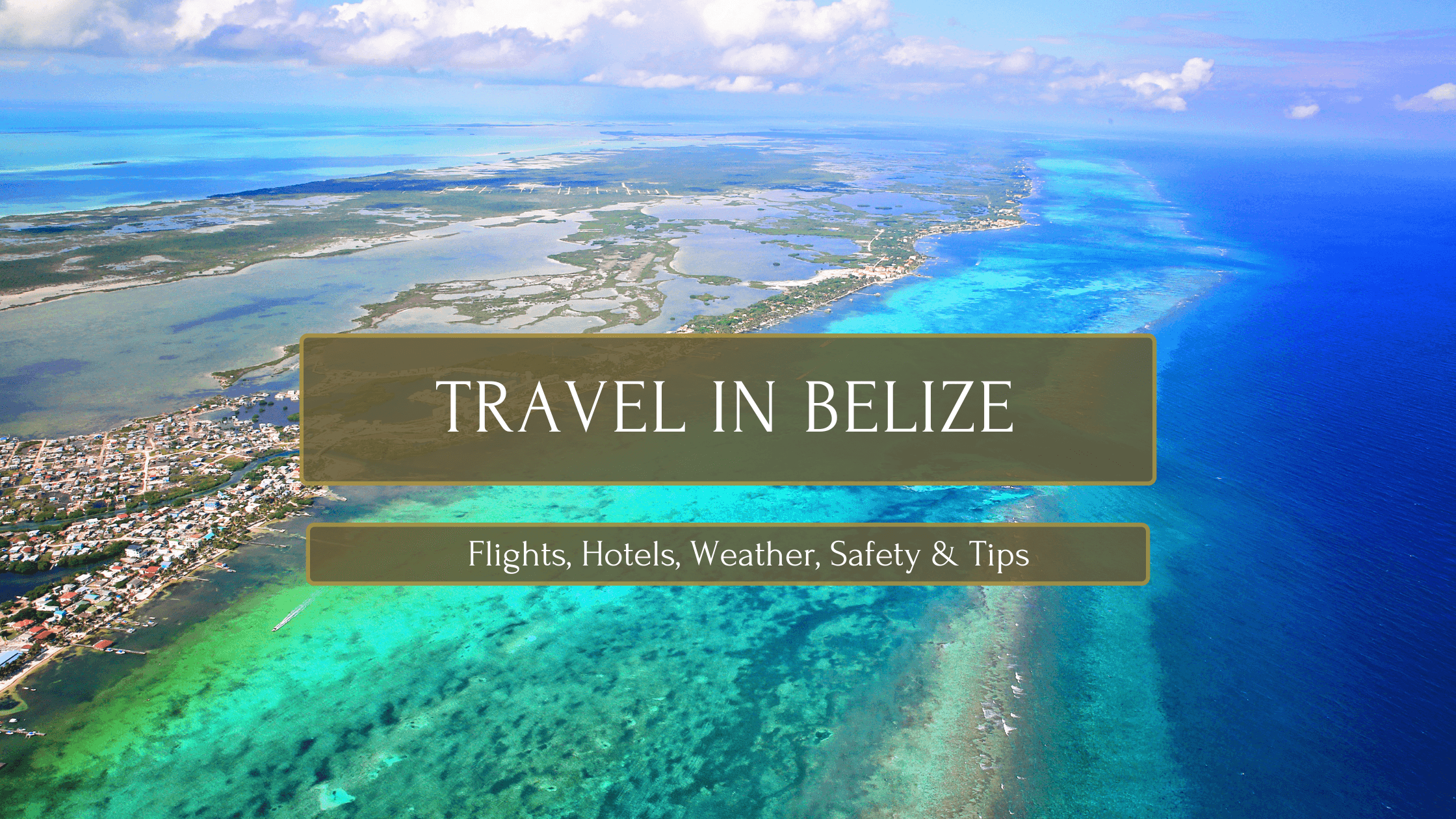
Travel in Belize: Complete Travel Guide for International Travel
Flights, Hotels, Weather, Safety & Tips
Belize offers a unique blend of Caribbean charm and Central American adventure. With English as the official language, a laid-back culture, and compact size, it appeals to independent travellers, families, and digital nomads alike. Whether exploring barrier reefs, ancient Mayan ruins, or working remotely, Belize delivers authentic experiences without overwhelming infrastructure.
For families, Belize combines adventure and relaxation. For backpackers, it offers excellent value. For digital nomads, it provides stable connectivity and affordable living. When planning a belize vacation, first-time Latin America travellers appreciate the minimal language barrier while still experiencing genuine adventure.
Quick Facts About Belize
Capital: Belmopan
Currency: Belize Dollar (BZD); US Dollar widely accepted
Language: English (official); Spanish, Creole, and Garifuna also spoken
Time Zone: Central Standard Time (UTC-6)
Visa Overview: Most visitors receive 30 days on arrival; 30 days in belize can be extended. Check entry and exit requirements with your nearest Belizean embassy.
Plug Type: American standard (110V, Type A and B)
Budget Range: $40–80 USD daily for backpackers; $100–200 mid-range; $250+ upscale
Travel Documents: Valid passport required for entry and exit
Flights to Belize
Philip S. W. Goldson International Airport (BZE) near Belmopan serves as the primary international gateway for tourism to belize. Most international travel to belize arrives through Belize City, with connections from Miami, Houston, and other US hubs.
Flight prices drop during green season (May–November). Booking 6–8 weeks ahead and flying mid-week typically yields better fares. Round-trip costs: US East Coast $400–600, US West Coast $500–700, Europe $700–1,000. When selecting an airline, compare both direct flights and regional connections—sometimes routing through neighbouring countries offers savings.
Hotels & Accommodation in Belize
Budget travellers find hostels in Belize City and tourist areas for \$15–30 nightly. Mid-range hotels cost $60–120; upscale resorts run $200–500+. Island destinations like Ambergris Caye and Caye Caulker command premium prices. Mainland towns—San Ignacio, Dangriga, Hopkins—offer better value.
Families should prioritise areas with strong infrastructure. Ambergris Caye provides resort amenities and water activities. San Ignacio offers jungle lodges and cultural immersion. The Cayo District attracts adventurers seeking mayan ruins and cave tubing experiences.
Backpackers favour Caye Caulker for its barefoot atmosphere and Ambergris Caye for reef access. Digital nomads find furnished rentals more economical for extended stays, with better internet reliability in main tourist areas and throughout Belize City.
Weather & Best Time to Visit
Belize has two seasons: dry (November–May) and rainy season (June–October).
Dry Season: Ideal for all activities. Temperatures 70–85°F, sunny days, lower humidity. Peak tourism means higher costs and crowds. Best for families and those prioritising water activities.
Rainy Season: Afternoon showers alternate with sunny periods. Prices drop significantly, landscapes turn lush, wildlife activity increases. Temperatures 75–90°F. Budget travellers often choose May or November for reduced rates with decent weather conditions.
Hurricane season runs June through November, with lowest statistical risk in September–October. Always review travel advisories before booking during rainy season.
Safety and Security: Travel Advice for Belize
Belize is generally safe for travellers exercising standard caution. Most tourist areas—islands, beach towns, jungle lodges—experience regular tourism and maintain good safety records. However, violent crime does occur in parts of Belize City, particularly south of Haulover Creek Canal in the Southside.
Practical Safety Tips:
Avoid non-essential travel to the southside of belize city, especially after dark. Use registered taxi services in Belmopan and Belize City; travel in groups when exploring unfamiliar areas. Keep valuables concealed and avoid excessive displays of cash. Petty theft occurs more frequently than confrontation, but remaining aware—as in any destination—minimizes risk.
Sexual assault and home invasions occur in belize, though rarely targeting tourists. Stay in well-populated tourist areas. Report any criminal activity to local police or your embassy. The risks of travelling to belize are manageable when following common-sense precautions.
Health & Vaccination Considerations:
Consult your doctor before travel about vaccination recommendations. Dengue, Zika virus, and Chikungunya occur in belize, transmitted by mosquitoes. Use safety equipment including insect repellent and lightweight long sleeves during dawn and dusk. Malaria risk is present in some regions; discuss malaria prophylaxis with your healthcare provider.
Obtain comprehensive travel insurance covering medical evacuation. Register with the Smart Traveler Enrollment Program for embassy updates if issues arise.
Entry & Exit Requirements:
Valid passport required. Visitors receive 30 days on arrival; extensions available through Belize immigration offices. You must pay an exit fee when departing, typically included in airline tickets. Tourist and non-Belizean citizens should confirm current entry and exit requirements before travel.
Who Belize Is Best For
Families: English-speaking, good medical facilities, calm Caribbean Sea waters, mayan ruins, and manageable distances make family travel straightforward.
Backpackers: Budget accommodation is accessible, the social hostel scene connects travellers easily, and beaches mixed with jungle hikes and scuba diving keep itineraries varied.
Digital Nomads: Reliable internet in Belmopan and tourist zones, affordable costs, North American time zone alignment, and growing co-working infrastructure support extended remote work stays.
First-Time Central America Visitors: Belize removes common barriers—no Spanish requirement, familiar healthcare standards, straightforward infrastructure—while delivering authentic adventure.
Planning Your Travel to Belize
Trip Duration: Most visitors spend 7–10 days. A week allows island time, ruins exploration, and jungle experiences. Two weeks enables slower pacing and deeper regional discovery.
Typical Route: Arrive Belize City, head to Ambergris Caye or Caye Caulker (3–4 days), move to San Ignacio (2–3 days) for mayan ruins and rainforest, then return to coast. Extended visitors add Dangriga, Hopkins, or the Cayo District.
Domestic Transport: Bus services are cheap and frequent on main routes but slow. Water taxi services connect islands efficiently. Taxi pricing and availability vary by region — see our travel in Belize guide for what to expect countrywide.. Small aircraft link remote areas faster at higher cost.
Connectivity: Local SIM cards are inexpensive and offer adequate speeds for messaging and browsing. Many hotels and restaurants provide WiFi. Digital nomads benefit from mobile hotspots or dual connectivity for work reliability.
Spending Strategy: Daily spend ranges from $40–50 for strict budget travel in hostels eating street food, to $100–150 for comfortable mid-range experiences, to $250+ for resorts and upscale dining.
Health Risks & Practical Considerations
Caution in belize due to mosquito-borne illnesses is warranted but not alarming with proper precautions. Dengue and Chikungunya outbreaks occur periodically. Use quality insect repellent, wear protective clothing during peak mosquito hours, and consider sleeping under mosquito nets in remote areas.
Travellers with pre-existing health conditions should arrange travel insurance explicitly covering their needs. Ensure your travel insurance includes medical evacuation—rural jungle and island locations may require helicopter transport to mainland hospitals.
Water in main towns is generally safe; stick to bottled water in remote areas. Street food is typically safe when purchased from busy vendors with high turnover.
Getting Around Belize
In Towns: Taxis are the primary transport. Always use official taxi services or ride-sharing apps rather than hailing unmarked vehicles. Negotiate fares before entering shared taxis, or use metered cabs in Belmopan.
Between Towns: Buses connect major destinations on regular schedules at low cost. Long-distance bus travel is reliable but slow. Water taxi services operate from Belize City to islands and coastal towns, offering speedier alternatives.
Islands: Ferry services connect island destinations. Boat transportation requires a valid ticket and adherence to safety equipment protocols; wear life jackets on open water passages.
Vehicle Rental: Rental cars provide flexibility for Cayo District exploration and remote mayan ruins access, but road conditions vary and driving habits differ from North America. Most travellers find buses and taxis sufficient.
Frequently Asked Questions About Travel in Belize
Is it safe to travel to Belize right now?
Yes, Belize is generally safe for tourists who follow practical precautions. While violent crime does occur in certain areas of Belize City, particularly south of Haulover Creek, the vast majority of tourist destinations—islands like Ambergris Caye and Caye Caulker, the Cayo District, and beach towns—have strong safety records. Avoid travelling alone at night in unfamiliar urban areas, use registered taxi services, and stay in well-populated tourist zones. Petty theft is more common than violent confrontation. Check current travel advisories before travel and register with your embassy using the Smart Traveler Enrollment Program for real-time updates.
What is the best month to visit Belize?
December through March offers peak conditions: sunny weather, warm temperatures (70–85°F), calm Caribbean Sea waters ideal for snorkelling and scuba diving, and minimal rainfall. April and May provide good weather at lower prices before rainy season. If you’re budget-conscious and willing to carry rain gear, November offers shoulder-season savings with mostly decent conditions. Avoid September and early October if hurricane concerns worry you, though statistical risk remains low. Choose based on your priorities: weather certainty (dry season), budget savings (May or November), or fewer crowds (rainy season June–August).
Where should I go for the first time in Belize?
First-time visitors should balance beach relaxation with cultural exploration. Start with Belize City for entry, then head immediately to Ambergris Caye or Caye Caulker for 3–4 days of reef snorkelling and Caribbean atmosphere. Next, move to San Ignacio in the Cayo District for 2–3 days exploring mayan ruins, cave tubing, and jungle lodges. This route covers island, reef, and rainforest experiences without excessive travel. The Cayo District is particularly rewarding for families and adventure seekers. Alternatively, if you prefer coastal relaxation, combine island time with Dangriga or Hopkins for a slower pace.
Can I use my US cell phone in Belize?
International roaming through your US carrier typically works but costs significantly more than local alternatives. Upon arrival, purchase a local SIM card from Belizean providers—they’re inexpensive and widely available at the airport and in towns. Local SIM cards offer data speeds adequate for messaging, browsing, and navigation. Many hotels, restaurants, and cafes offer free WiFi. If you need continuous connectivity for work, consider activating an international plan with your home carrier as backup, or get a mobile hotspot to maintain reliability. Most digital nomads and tourists combine local SIM cards with WiFi hotspots for cost-effective coverage.
What is the safest part of Belize to visit?
Island and resort destinations are among the safest areas: Ambergris Caye, Caye Caulker, and smaller cayes offer tourist-focused infrastructure with regular police presence and low crime against visitors. Mainland, the Cayo District (including San Ignacio) provides safe exploration of mayan ruins, jungles, and cave tubing with well-established tourism operations. Dangriga and Hopkins offer quieter coastal charm with good safety records. Stay away from the southside of belize city and isolated rural areas where criminal activity is more prevalent. Stick to established tourist areas, use registered guides for jungle activities, and follow local advice on which neighbourhoods to avoid. Most tourist areas in Belize maintain strong safety standards and see consistent visitor traffic.