
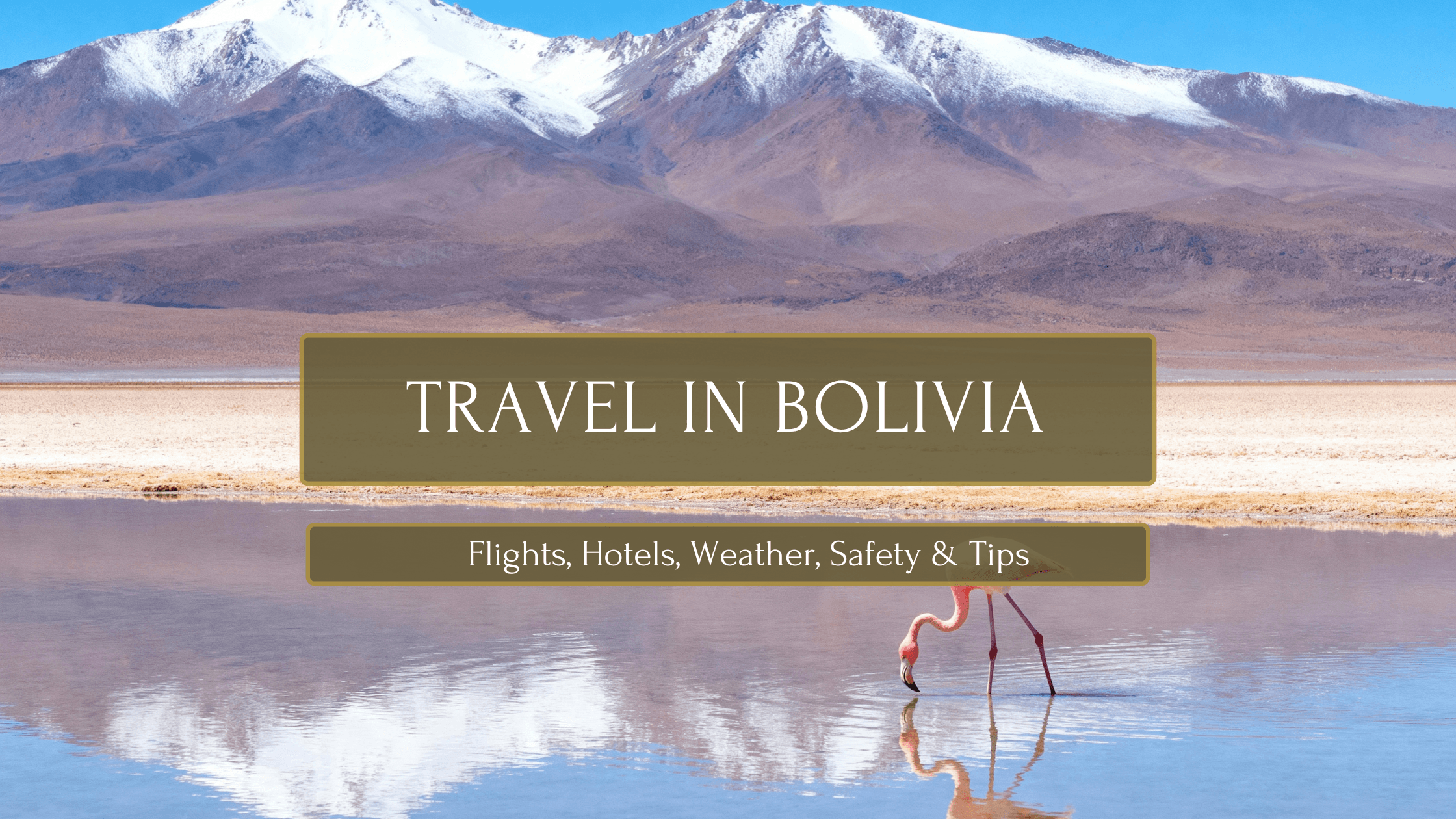
Travel in Bolivia: Complete Travel Guide for International Travel
Flights, Hotels, Weather, Safety & Tips
Bolivia remains one of South America’s most underrated destinations, offering otherworldly landscapes, colonial charm, and authentic cultural experiences at exceptional value. Whether you’re exploring the Uyuni salt flats, cycling down legendary mountain roads, or navigating the energy of La Paz, travel in Bolivia rewards adventurous visitors with genuine discovery and unforgettable memories.
This Bolivia travel guide works beautifully for independent travellers seeking authentic experiences, families looking for cultural immersion on modest budgets, digital nomads wanting affordable living costs, and budget-conscious explorers planning multi-country South America trips. Traveling in Bolivia means embracing a less-polished infrastructure in exchange for real connection to landscapes and cultures.
Quick Facts About Bolivia
Capital: La Paz (administrative) and Sucre (constitutional)
Currency: Boliviano (BOB). Withdraw money from ATMs in cities, or carry US dollars as backup.
Languages: Spanish is essential for travel. Quechua and Aymara are spoken regionally.
Time Zone: Bolivia Standard Time (BOT), UTC-4.
Visa & Entry and Exit Requirements: Most Western nationals receive 90-day tourist visas on arrival. Ensure your passport is valid for at least six months. Check travel documents requirements before departure, as Bolivian law may impose additional requirements for certain nationalities.
Plug Type: Types A and C. Voltage varies (110V and 220V)—bring a universal adapter.
Budget Range: Bolivia is exceptionally affordable. Budget USD 30-50 daily (hostels, street food), mid-range USD 50-100, upmarket USD 100+. Costs are significantly lower than neighbouring countries in South America.
Flights to Bolivia: Entry to South America
Major Airports: El Alto International Airport (LPZ) near La Paz sits at 13,615 feet—the world’s highest commercial airport. Viru Viru International Airport (VVI) in Santa Cruz offers alternative entry for South America travel.
Flight Routes: North American travellers connect through Miami, Houston, or Atlanta. European visitors typically route through Madrid, Lisbon, or Amsterdam. Regional flights from Peru, Chile, or Argentina often cost less than distant international travel.
Booking Strategy: Mid-season (February-March, August-September) offers better airfare. Book 6-8 weeks ahead. Consider flying into La Paz and out of Santa Cruz to maximize your travel plans.
Altitude Consideration: La Paz’s extreme altitude requires acclimatisation. Arrive a day early before continuing travel.
Hotels & Accommodation for Your Trip to Bolivia
Bolivia’s accommodation suits all travel styles. Hostels cost USD 10-20 nightly and attract backpackers and solo travellers. Mid-range hotels offer private rooms for USD 40-70 with reliable amenities. Upmarket options cost USD 80-150+ in tourist areas like La Paz, Sucre, and Uyuni.
Families benefit from mid-range hotels offering consistency and English-speaking staff. Digital nomads prefer La Paz and Cochabamba for reliable wifi and coworking spaces. Long-term travellers often book apartments offering kitchen facilities and space.
Weather & Best Time to Visit Bolivia
Bolivia has two distinct seasons affecting travel plans. The dry season (May-October) brings clear skies, ideal for visiting the Uyuni salt flats and high-altitude trekking. The rainy season (November-April) creates lush landscapes but causes occasional road disruptions.
Optimal travel time: June, July, and September offer ideal conditions. May and October provide good weather with fewer tourists.
Plan to travel carefully during: January-March brings heavy rain in lowland areas, though Uyuni remains accessible. Some roads in Bolivia are unpaved and become impassable during rainy season.
Families should prioritise May-October for weather stability and reliable tour schedules.
Safety in Bolivia: Travel Advice for Tourists
Bolivia is generally safe for tourists practising normal travel awareness. Petty theft occurs in crowded markets and public transport in cities, particularly La Paz. Avoid displaying expensive items and use hotel safes for valuables.
Transportation Safety: Use official radio taxi services or ride-sharing apps rather than hailing taxis on the street. Overnight buses are legitimate transport when booked through established operators. Some taxi drivers engage in petty scams; use reputable services. Caution in Bolivia due to occasional express kidnappings exists but is rare for tourists in standard travel areas.
Scam Awareness: Thieves occasionally pose as police officers demanding documentation or money. When in doubt, request an official police station visit. Don’t withdraw money from ATMs at night. Sometimes pose as police officers near tourist areas—verify credentials by requesting police station visits.
Neighbourhood Awareness: San Miguel in La Paz, historic Sucre, and established tourist areas remain secure. Avoid remote areas of cities after dark. The degree of caution in Bolivia should match any major international travel destination.
Health Precautions: Get vaccinated for yellow fever before arriving—the risk of yellow fever vaccination is essential for jungle regions and lowlands. Dengue occurs in some areas; use mosquito protection. Altitude sickness affects some visitors in high-altitude cities. Medical evacuation insurance is recommended.
Real talk: Travel in Bolivia is safer than many South America capitals. Thousands of tourists visit annually without incident.
Who Bolivia Is Best For
Families: Cultural immersion, colonial architecture, and natural wonders appeal to children. Mid-range accommodation balances comfort and budget. Travel May-October to avoid rainy season complications affecting family trips.
Backpackers: Bolivia’s low costs and established backpacker routes support extended travel. Overnight buses reduce accommodation costs. Social scenes in La Paz, Cochabamba, and Uyuni connect solo travellers easily. Adventure activities like trekking the Uyuni salt flats remain affordable.
Digital Nomads: La Paz and Cochabamba offer affordability, stable wifi, and coworking spaces. Cost of living enables comfortable remote work lifestyles.
First-Time South America Travellers: Bolivia provides authentic cultural experiences without overwhelming tourist infrastructure. Your travel budget stretches further than neighbouring countries.
Planning Your Trip to Bolivia
Duration: Two weeks allows La Paz acclimatisation, Uyuni salt flats exploration, and Sucre’s colonial charm. Ten days covers essentials. A month enables leisurely regional exploration.
Route Planning: The classic Bolivia trip includes La Paz (3-4 days), Uyuni salt flats (2-3 days), and Sucre (2-3 days). Add Cochabamba for cultural depth, explore the Amazon from Rurrenabaque, or combine with Peru and Chile for extended South America overland travel. When planning your stay, consider various accommodations in La Paz, Bolivia, which range from budget hostels to luxurious hotels. Each option offers a unique experience, allowing travelers to enjoy the vibrant culture and stunning scenery of the city. Be sure to explore local restaurants nearby for an authentic taste of Bolivian cuisine.
Transportation in Bolivia: Domestic flights offer speed and competitive pricing. Long-distance bus travel forms the backbone of Bolivia travel—overnight buses provide affordable transport between cities. Many roads in Bolivia are unpaved; allow extra travel time. Bus journey times require patience but reward travellers with landscapes and authentic travel experiences. Radio taxi services operate in major cities.
Getting Around Cities: In La Paz and Santa Cruz, use radio taxi or ride-sharing apps. Microbus networks connect cities affordably but require navigation skills.
Connectivity: Hotels and tourist areas offer wifi. Purchase a local SIM card for mobile data at reasonable rates. Remote areas may have limited connectivity.
Entry & Travel Information for Bolivia
Travel Documents Required: Valid passport (6+ months validity) is essential. No advance visa application needed for most Western nationals—receive tourist visas on arrival. Check your embassy website for specific Bolivian law requirements for your nationality.
Health & Vaccination: Get vaccinated for yellow fever before travel to lowland and jungle areas. Need a yellow fever vaccination certificate when visiting certain regions. Consult travel medicine professionals about other vaccinations and altitude medication.
Insurance: Get travel insurance covering medical evacuation from high-altitude La Paz and remote regions.
Currency & Money: Withdraw money from ATMs in cities, but avoid night withdrawals. ATM access in Uyuni and rural areas is limited—carry cash. Some establishments forced to withdraw money incidents are rare but exchange cash carefully.
Travel Time Considerations: High altitude in La Paz requires 2-3 days acclimatisation before strenuous activity. Plan travel time generously for overland journeys on Bolivia’s unpaved roads.
Why Visit Bolivia: Tourism That Matters
Bolivia’s tourism industry remains underdeveloped compared to neighbouring Peru and Chile, meaning authentic interactions and lower prices for tourists in most parts of Bolivia. Visit Bolivia to experience world-class natural wonders like the Uyuni salt flats, explore cities in Bolivia like historic Sucre and energetic La Paz, and connect with Bolivian culture on genuine terms.
The Uyuni salt flats represent one of South America’s must-see attractions. Lake Titicaca, the world’s highest navigable lake in the world, straddles the Peru-Bolivia border. The Amazon basin in parts of Bolivia offers jungle exploration with established tour operators.
Frequently Asked Questions About Travel in Bolivia
Is it safe to travel to Bolivia right now?
Yes, travel to Bolivia is generally safe for tourists who exercise standard precautions. Bolivia ranks safer than many major South American capitals and US cities. Petty theft in crowded areas and occasional taxi scams exist but are avoidable through common sense—use official radio taxi services, avoid displaying valuables, and stay aware of surroundings in major cities like La Paz. Express kidnappings targeting tourists are exceptionally rare. Check current travel advisories from your embassy before departure, as conditions can change, but thousands of tourists visit Bolivia annually without incident. The degree of caution in Bolivia should match any international travel destination.
Can you speak English in Bolivia?
Spanish is the primary language for travel in Bolivia. English is spoken in tourist areas, upscale hotels, and by tour operators in La Paz, Sucre, and Uyuni. However, speaking English becomes less reliable in rural areas, smaller towns, and public transport. Learning basic Spanish phrases before arrival greatly improves your experience and shows respect to Bolivians. English-speaking guides are available for tours, and many younger Bolivians in cities speak some English. Carry a translation app as backup for communication challenges.
Can I use my phone in Bolivia?
Yes, you can use your phone in Bolivia. Purchase a local SIM card from providers like Viva or Entel at the airport or in any city—mobile data costs are very reasonable. Most hotels, restaurants, and tourist areas offer wifi. Coverage is generally reliable in major cities and towns but becomes spotty in remote areas and during jungle tours. Inform your home provider you’re travelling to avoid unexpected roaming charges, or simply use local data exclusively. Download offline maps before visiting remote regions.
What vaccines do I need for Bolivia?
Yellow fever vaccination is essential for travel to lowland and jungle regions, particularly the Amazon areas and Chapare Region. The risk of yellow fever in these parts of Bolivia is real, and many countries require proof of vaccination if you’re leaving Bolivia for other destinations. Consult travel medicine professionals 4-6 weeks before departure about additional vaccines like typhoid, hepatitis A, and tetanus. Dengue occurs in some lowland areas; use mosquito protection during rainy season. Altitude sickness medication (acetazolamide) may be recommended by your doctor for high-altitude La Paz. Get travel insurance covering medical evacuation.
How much does it cost to travel in Bolivia?
Bolivia is exceptionally budget-friendly compared to neighbouring South American countries. Budget travellers spend USD 30-50 daily (hostels, street food, free attractions). Mid-range travellers budget USD 50-100 for comfortable hotels, restaurant meals, and paid activities. Upmarket travel costs USD 100+. How much is $1 US in Bolivia? Approximately 6.8-7.2 Bolivianos, depending on exchange rates. Long-distance overnight buses reduce accommodation costs. The Uyuni salt flats tour typically costs USD 50-100 per day. Withdraw money from ATMs in cities for best exchange rates. It’s better to exchange money before travelling to Bolivia or use ATMs rather than exchanging at airports. Is it a cheap country to visit? Absolutely—your travel budget stretches significantly further than Peru, Chile, or Argentina.