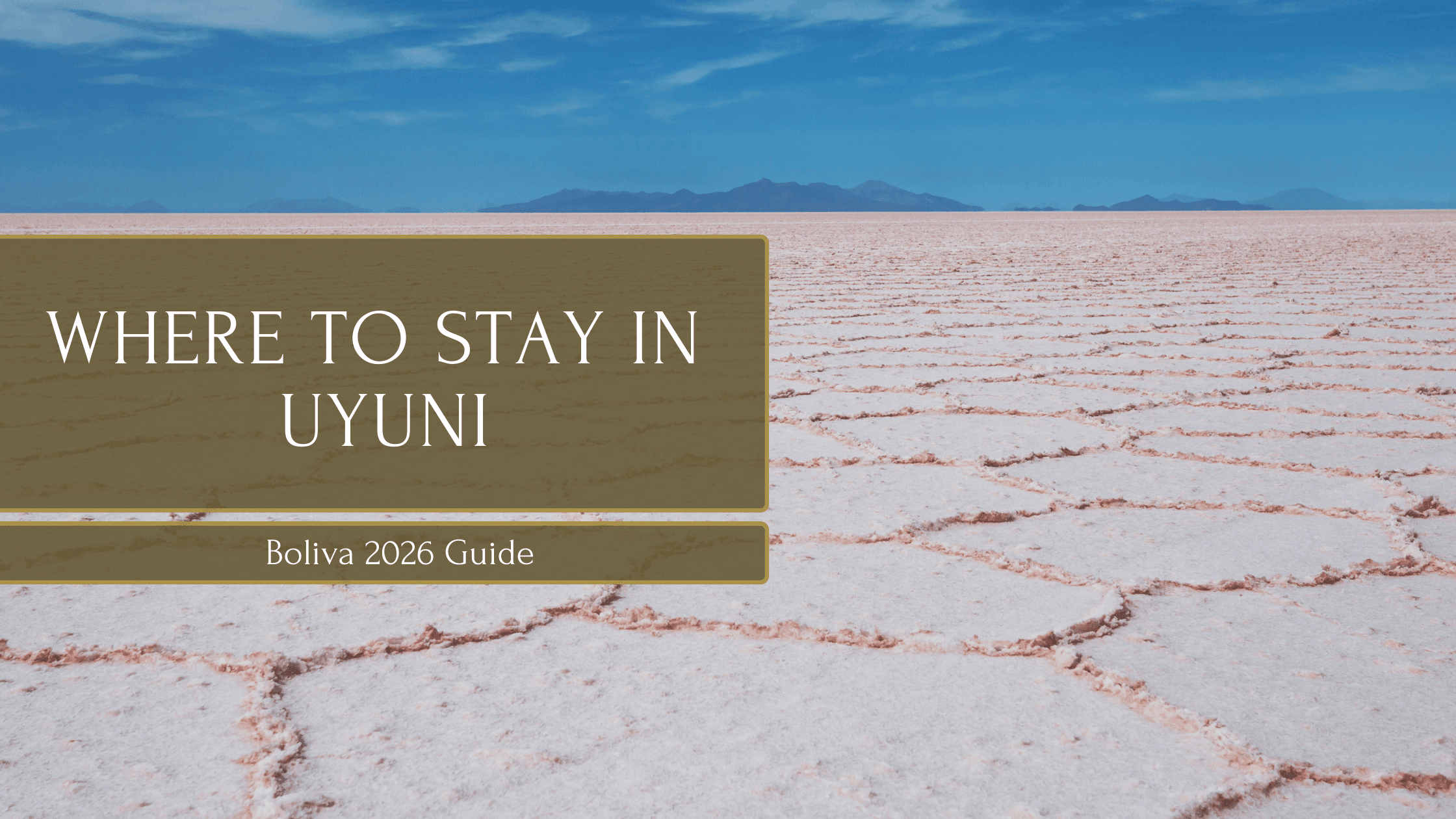
Where to Stay in Uyuni, Bolivia (2026 Guide)
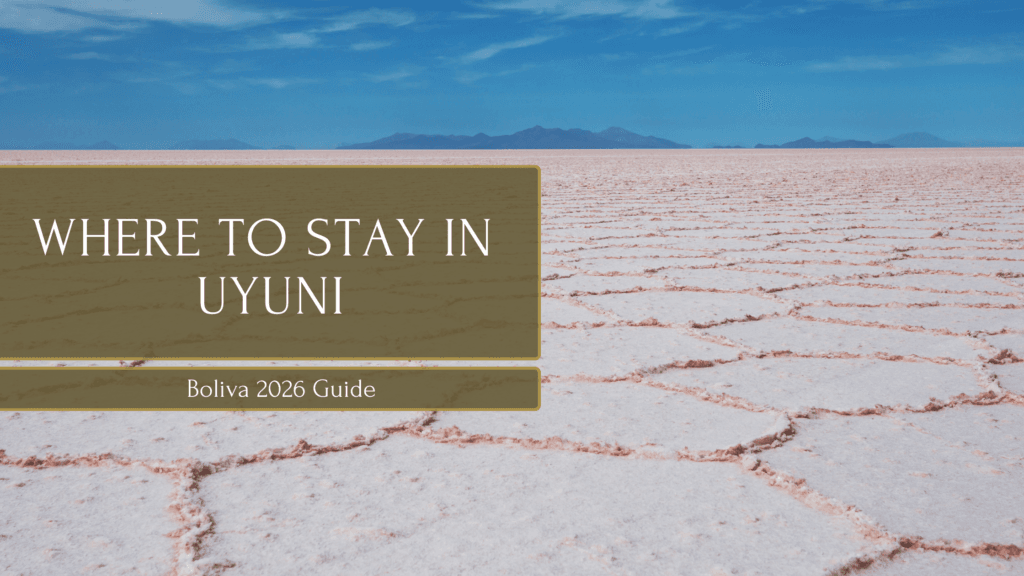
Where to Stay in Uyuni, Bolivia (2026 Guide)
Wondering where to stay in Uyuni? You’re at the gateway to one of Earth’s most otherworldly landscapes on the planet: the Salar de Uyuni, a salt flat so vast it defines the region. Booking accommodation here means choosing between practicality and experience—most travelers spend 1–2 nights before or after their multi-day tour of the de sal expanse. The right place to stay in Uyuni makes the difference between a rushed overnight and an unforgettable experience on the Andean plateau.
This guide helps you find the best hotels in Uyuni across neighborhoods, price points, and styles. Whether you’re chasing a sunrise over the salt crust, seeking Andean charm, or just needing a comfortable bed with good heating before a uyuni tour, we’ve broken down every option below.
What to Expect in This Post
This guide to where to stay is built for quick scanning and real-world decisions. Here’s what you’ll get:
- Real neighborhoods where travelers stay in Uyuni and their character
- The best hotels in Uyuni for different budgets and preferences
- How to book a hotel in Uyuni during peak season
- Salt hotels versus traditional accommodation options
- Which areas offer the best access to the Salar de Uyuni tour
- Safety, altitude, and what actually works for a short time in Uyuni
Where to Stay in Uyuni: Quick Overview
- Centro (Downtown) — Tourist hub with booking agencies, walkable, close to everything
- Colchani — Mining village near the salt flat with salt hotel options
- Av. Ferroviaria — Commercial strip, budget hotels and hostels in Uyuni
- Avaroa District — Residential, growing guesthouses and lodges
- Hotel Outskirts — Resort-style properties with Andean views
Centro: Best Hotels for First-Time Visitors
Best for: First-time visitors, couples, efficient travelers.
Centro is where you book your tour, find restaurants, and sleep near everything. Hotels in Uyuni’s downtown cluster within 6 blocks—walking to a tour operator takes minutes. This is the commercial heart, and it works.
The vibe is lively mornings (tours departing) and quiet evenings. Streets are lit and populated. You’ll find budget hotels, mid-range accommodation, and a few boutique options with on-site restaurants. Altitude hits hard here at 12,500 feet, but proximity to services means less walking when adjusting.
When choosing a hotel in Uyuni Centro, prioritize thick blankets, a reliable on-site restaurant, and good heating. Read recent reviews on Wi-Fi and clean rooms—connectivity matters for booking tours and communicating home. Most best hotels in Uyuni Centro offer private bathroom and private tour connections through the front desk.
Colchani: Stay Near the Salt with Authentic Andean Charm
Best for: Adventurous travelers, photographers, those wanting Andean charm.
Colchani sits at the edge of the Salar de Uyuni, a mining village almost entirely out of salt extraction. Several unique accommodation options exist here—most famously, salt hotels built almost entirely from salt blocks. Palacio de Sal and similar properties let you say you slept in a building made from salt, though the romanticism requires managing expectations.
The real appeal is access to sunrise and sunset over hexagonal patterns that stretch endlessly. These salt-built structures offer rustic rooms with private bathroom, on-site restaurant, and the novelty factor that makes staying in Colchani worth considering. Booking early is essential—rooms fill up quickly during dry season.
The tradeoff is isolation. Colchani is 30 minutes from town. You’ll arrange tours differently, and dining is limited to your hotel’s restaurant. For a single night, the experience justifies it. For longer stays, you may feel disconnected from town life. Colchani works best for travelers making their uyuni salt flat stay the event itself, not just a waypoint.
Avaroa District: Accommodation with Local Andean Life
Best for: Travelers seeking balance between convenience and atmosphere.
Avaroa spreads east of Centro—quieter, increasingly sophisticated. New lodges and guesthouses open regularly here. You’re 10–15 minutes walking to tour booking, but the neighborhood feels residential. Andean textiles hang in shop windows. Local families move through streets.
Hotels in Avaroa range from modest guesthouses to newer small hotels with better design and amenities. Many offer good heating and on-site restaurant options. This is where best hotels in Uyuni are emerging—small properties with personal touch. Booking directly or through local contacts often yields better rates than online aggregators.
The vibe suits travelers staying 2+ nights. You can eat dinner, walk the neighborhood, and feel Bolivia rather than “tourist town. Exploring the salt flats of Uyuni offers a unique experience, with breathtaking views that seem otherworldly. The vast expanse of white creates a stunning backdrop for photography, especially at sunrise and sunset. Adventure seekers will find plenty of opportunities for activities like ATV rides and star gazing under the clear night sky. Finding affordable hotels in Sucre, Bolivia can enhance your travel experience, allowing you to immerse yourself in the local culture without breaking the bank. Each hotel often provides easy access to historical sites and delicious local cuisine, making your stay even more enjoyable. Plus, the friendly atmosphere in Sucre will make you feel right at home as you explore this beautiful city.
Av. Ferroviaria & Budget Options
Best for: Budget-conscious travelers, those with tight schedules.
Ferroviaria runs north-south through town, lined with tour operators, restaurants, and budget hotels. Hostels in Uyuni cluster here, alongside the cheapest accommodation options. Noise is higher—buses, motorcycles, street activity. But everything is accessible.
This strip makes sense if saving money is your priority or you’re catching a bus at dawn. Hotels in this area range from rock-bottom to mid-range. You’re maximizing efficiency, not comfort. Most travelers stay here one night, then book a better hotel in Centro or Avaroa if they return.
Booking a budget hotel in Uyuni on Ferroviaria works—just accept the trade-off. Expect basic rooms, minimal heating, and shared bathroom options. It’s functional, not luxurious.
Train Cemetery & Outskirts: Unique Accommodation
Best for: Extended stays, photography, those wanting true remoteness.
Uyuni’s abandoned train cemetery sits 3 km outside town—rusting locomotives from mining days. Several glamping options and lodges have popped up nearby. It’s unique, Instagram-ready, genuinely Andean.
The catch: isolation. You’ll need arranged transport to tour booking and dining. Hotels around the train cemetery work for 3+ night stays with a group or car. For a standard 1–2 night transit stop, the logistics add friction. Expect rustic rooms with private bathroom, on-site restaurant, and views of otherworldly landscapes.
Best Hotels in Uyuni: Price & Value Breakdown
Budget Accommodation (Under $40/night): Hostels in Uyuni, basic guesthouses on Ferroviaria. Expect clean rooms, shared or private bathroom, minimal heating.
Mid-Range Hotels (40–100/night): Best hotels in Uyuni Centro and Avaroa. These offer private bathroom, on-site restaurant, good heating, Wi-Fi, and direct tour connections.
Upscale Options ($100+/night): Unique properties like palacio de sal or Colchani lodge. These prioritize experience—salt hotel novelty, views, better dining.
Booking early during dry season (May–October) is essential. Hotels fill up months in advance. Peak months (July–September) require 6–8 weeks advance booking.
Hotel vs. Hostal: What Makes Sense
For 1–2 nights, book a hotel with private bathroom and on-site restaurant. Hostels in Uyuni work for backpackers staying 3+ nights who want community and savings. A standard hotel in Uyuni offers better sleep, faster checkout, and front-desk tour help.
If staying longer, a guesthouses or lodge in Colchani or Avaroa offers more personality than downtown hotels.
Tips for Choosing a Place to Stay in Uyuni
Priority 1: Altitude Management — Good heating and a comfortable bed matter. Read reviews on room temperature and blanket quality.
Priority 2: Tour Access — Book where the front desk connects you to reputable tour operators. Don’t arrange tours through random street agents.
Priority 3: Location — Centro or Avaroa. Don’t stay more than 15 minutes walking from tour operators unless you have transport.
Priority 4: Amenities — On-site restaurant, Wi-Fi, private bathroom, heating. These seem basic but aren’t everywhere in Uyuni.
Priority 5: Reviews — Filter for reviews from the past 3 months. Old reviews miss recent renovations or deterioration.
When NOT to Book in Uyuni
Avoid properties claiming “luxury” or “exclusive”—Uyuni is remote and small. Comfort exists, but set expectations realistically.
Skip extreme isolation without transport arranged. Medical help is limited; getting stranded matters.
Don’t book based on photos alone. Many hotels photograph better than they live. Cross-reference with recent reviews.
Avoid staying December to March (wet season) unless you’re specifically touring the mirror effect. The landscape floods, access is limited, and town fills with tour groups.
Key Takeaways
- Centro is the default: Book a hotel in Uyuni Centro for maximum convenience and tour access.
- Colchani offers novelty: Stay in a salt hotel built almost entirely from salt blocks for the experience, but book early.
- Avaroa is the sweet spot: Quieter than Centro, still walkable, increasingly good lodges and on-site restaurants.
- Dry season (May–October) requires booking months in advance. July–September fill up fastest.
- Altitude matters more than amenities: Prioritize good heating and a comfortable bed over luxury features.
- Multi-day tours depart early. Stay within 10 minutes of tour operators for a stress-free morning.
- Read reviews from the past 3 months. Recent feedback beats old ratings.
FAQ
What's the best time to book a hotel in Uyuni?
Dry season (May–October) offers clear skies and accessible salt flat tours. Book 6–8 weeks in advance for July–September. Wet season (December–March) brings the mirror effect but fewer tourists and cheaper rates. Book 2–3 weeks out for wet season.
Should I stay in Uyuni town or Colchani?
Uyuni town (Centro or Avaroa) is practical—tour booking, restaurants, activity. Colchani is experiential—salt hotel novelty, quiet, salt flat proximity. Choose Uyuni town for efficiency, Colchani for memory-making.
How do I find the best hotels in Uyuni online?
Use booking sites but verify with hotel websites directly. Call or email—many mid-range properties in Uyuni answer emails and offer better rates than online aggregators. Ask other travelers at your hotel for recommendations.
What's included in a salt hotel stay?
Most salt hotels (like palacio de sal) offer private bathroom, on-site restaurant, heating, and novelty—that’s it. They’re experience-focused, not luxury-focused. The “made from salt” factor is the draw.
Do I need thick blankets or can the hotel provide them?
Ask when booking. Good hotels include thick blankets. Bad hotels don’t. This isn’t optional—altitude and cold nights mean you’ll freeze without proper bedding.
Is Wi-Fi reliable in Uyuni?
Most Centro hotels have Wi-Fi, but connections are slow. Download maps, book tours offline, and don’t rely on video streaming. It’s functional for email and messaging.
What's the closest airport to Uyuni?
Joya Andina Airport (UIU) is 5 km from town. Most travelers fly into La Paz (Cusco or San Pedro de Atacama are also options), then bus 10+ hours to Uyuni. Acclimatize in La Paz 1–2 days before arriving in Uyuni.