
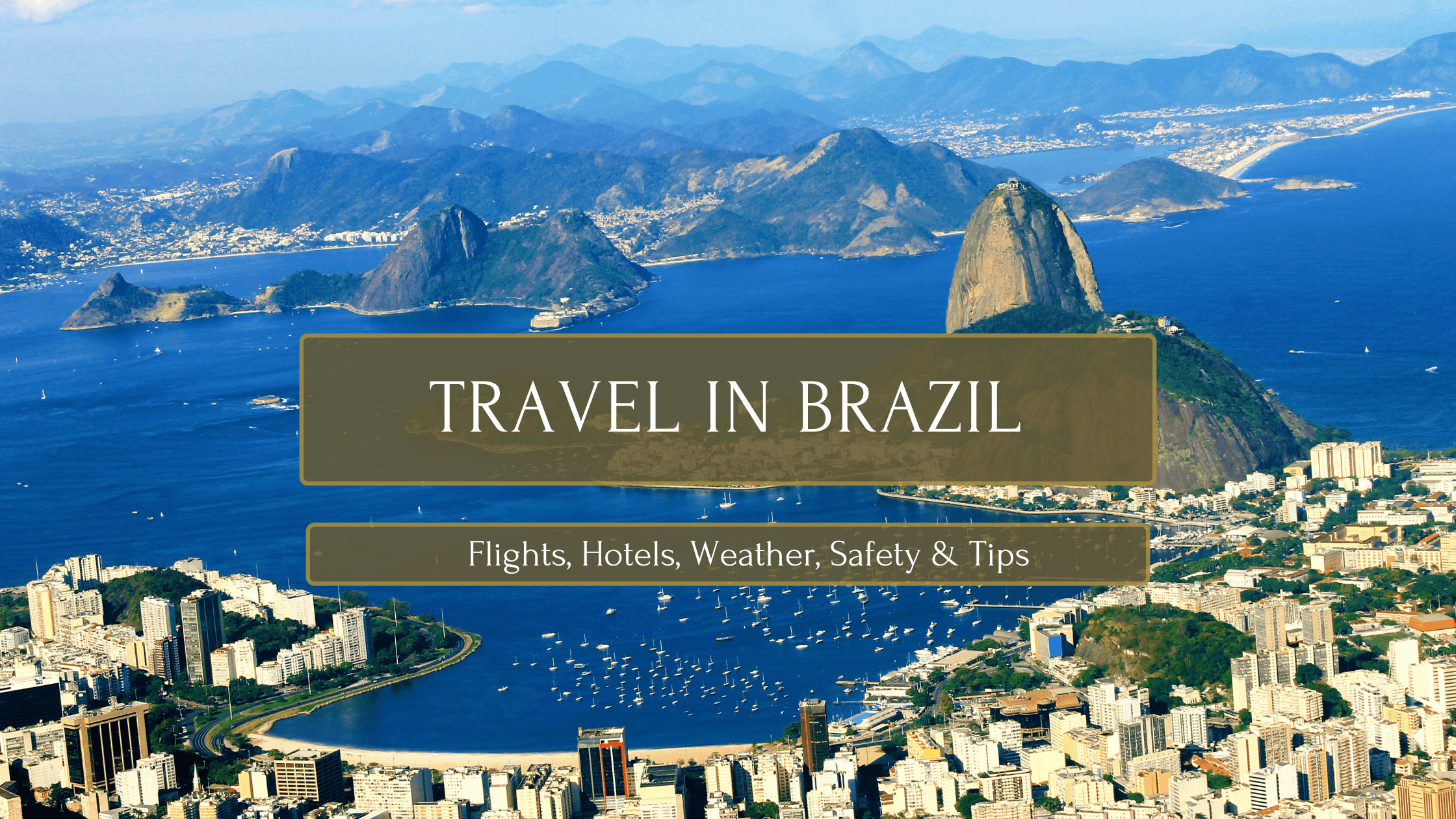
Travel in Brazil: Your Complete Guide to Visiting Brazil
Travel Advice for Places to Visit in Brazil
Brazil is Latin America’s largest country and one of the world’s most dynamic travel destinations. From the Amazon rainforest to iconic beaches like Copacabana, white-sand coastlines in the Northeast, natural wonders like Iguaçu National Park, and vibrant major cities including Rio de Janeiro and São Paulo, Brazil offers something for nearly every type of traveller.
Travel in Brazil appeals to families seeking adventure and cultural immersion, backpackers exploring regional routes, digital nomads looking for vibrant cities and affordable living, and couples on romantic getaways. Whether you’re interested in beach relaxation, outdoor exploration, cultural experiences, or urban exploration, travel advice for visiting Brazil highlights diverse experiences across varying budgets and regions.
Quick Facts About Brazil
Capital: Brasília
Largest Cities: São Paulo, Rio de Janeiro, Salvador, Brasília
Currency: Brazilian Real (BRL)
Language: Portuguese (Brazilian Portuguese); English is less commonly spoken outside major cities and tourist areas
Time Zone: Brasília Standard Time (UTC-3); note that Brazil has multiple time zones across its vast territory
Passport & Visa Requirements: You’ll need a valid passport with at least six months’ validity. Citizens of many countries including the US, UK, Canada, Australia, and most EU nations do not need a visa for tourism stays up to 90 days. Always check visa requirements with your nearest Brazilian embassy or consulate before travelling to Brazil. A Brazilian passport holder has access to different entry regulations within South America.
Plug Type: Type N (three round pins in triangular formation); some older outlets may use Type A or C
Budget Range: Budget travellers can visit Brazil on $30–50 USD per day; mid-range travellers should budget $75–150 USD per day; luxury travel varies widely but expect $200+ USD per day in larger cities
Flights to Brazil & Entry and Exit
Brazil’s main international airports are located in São Paulo and Rio de Janeiro, with additional hubs in Salvador, Brasília, Fortaleza, and Recife. Direct flights from the US typically arrive in São Paulo or Rio de Janeiro, with journey times of 9–11 hours from the East Coast.
When travelling to Brazil from Europe, flights typically take 11–13 hours, arriving primarily in São Paulo. If you’re travelling from other parts of Latin America, regional flights are abundant and often cheaper than international carriers.
Flight prices fluctuate seasonally. The cheapest fares typically occur during the Southern Hemisphere autumn and winter (April–August). Peak season travel to Brazil (December–January and July) brings higher prices. Book 2–3 months in advance for better rates. Flexible dates mid-week often cost less than weekend departures.
Before departing Brazil, ensure your passport remains valid and check the latest travel notices with your government. Entry and exit procedures are straightforward for most travellers; you’ll receive an entry stamp allowing a 90-day stay for tourism purposes.
Hotels and Accommodation in Brazil
Brazil offers a wide range of accommodation types. Hostels are plentiful in major cities and popular beach towns, with clean dorms and private rooms typically ranging from $15–40 USD per night. Budget hotels and pousadas (small guesthouses) cost $30–70 USD per night. Mid-range hotels run $80–180 USD per night and often include breakfast. Luxury and resort properties can exceed $200 USD per night.
Apartment rentals are increasingly popular in major cities like São Paulo and Rio de Janeiro, offering flexibility for longer stays at competitive prices. Beach resorts are concentrated in the Northeast and along the southern coast.
Families often prioritise areas with good infrastructure and safety. Rio’s beachside neighbourhoods (Copacabana and Ipanema), São Paulo’s Pinheiros district, and beach towns like Florianópolis are family-friendly. Solo and budget travellers tend to cluster in hostel-rich areas. When choosing accommodation, consider proximity to public transport and the neighbourhood’s reputation for safety.




Weather in Brazil By Month
Weather in Brazil varies significantly by region. The Northeast experiences tropical conditions with warm temperatures year-round but a distinct rainy season from April to August. The Southeast (Rio de Janeiro and São Paulo region) has subtropical weather with hot, humid summers (December–March) and mild, drier winters (June–August). The Amazon rainforest region is hot and humid with rain possible year-round, though the “dry season” (July–September) has slightly less rainfall. Southern Brazil experiences cooler temperatures and occasional frost, particularly June–August.
Best Time to Visit Brazil depends on your destination. For beach destinations, November to March offers ideal conditions but brings peak-season crowds and higher prices. April to May and September to October provide pleasant weather, fewer tourists, and better value. July and August see school holidays and increased domestic travel.
Carnival, Brazil’s most famous festival, occurs in February and is a highlight for many travellers visiting Brazil during this period. However, this coincides with the hottest and most crowded season. If attending Carnival, book accommodation well in advance.
For rainforest exploration in the Amazon, the drier season (July–September) offers better wildlife spotting. Families with school-age children typically visit during school breaks (December–January, July) or extended holidays.
Weather in Rio de Janeiro, Brazil in November
Weather in Rio de Janeiro, Brazil in November Rio de Janeiro in November marks the shift from spring into early summer. The city transitions into
Weather in Rio de Janeiro, Brazil in January
Weather in Rio de Janeiro, Brazil in January Rio de Janeiro in January is hot, humid, and wet—peak summer in the Southern Hemisphere. The average

Weather in Rio de Janeiro, Brazil in April
Weather in Rio de Janeiro, Brazil in April April is Rio de Janeiro’s sweet spot for travelers. Summer heat has subsided, the rainy season is
Safety and Security: Travel Advice for Visiting Brazil
Brazil is generally safe for travellers who exercise a high degree of caution and remain aware of their surroundings. Millions of visitors travel to Brazil annually and have positive experiences. Like any large country with significant urban populations, safety varies by location and neighbourhood.
Exercise a high degree of caution in Brazil, particularly in certain areas of major cities like Rio de Janeiro and São Paulo. Petty theft in crowded public transport and busy streets does occur. Violent crime can happen but is typically concentrated in specific neighbourhoods that tourists can easily avoid with proper guidance. Armed robberies and demonstrations occasionally occur but are rare for visitors following safety protocols.
Safety and Security Tips: Avoid displaying expensive jewellery, phones, or cameras in crowded areas. Use registered taxis or ride-sharing apps rather than hailing taxis on the street, especially at night. Avoid getting into a taxi without confirming it’s legitimate. Stay in well-travelled, populated neighbourhoods and avoid walking alone, especially at night. Be cautious with drinks at bars and clubs. Follow the instructions of local authorities if you encounter any issues. Monitor local media and follow the instructions of local authorities regarding any civil unrest.
When driving in Brazil or using driving services, avoid intersections and in tunnels where robberies occasionally occur, especially at night. Do not stop at red lights in unfamiliar areas after dark. Violent crime in parts of Brazil can turn violent quickly, so remain vigilant.
Health & Vaccinations: Yellow fever vaccination is recommended for many regions, particularly if visiting the Amazon rainforest or Pantanal. Consult your doctor or travel health clinic about yellow fever vaccination before your trip to Brazil. Travel insurance with medical evacuation coverage is strongly advised. Quality of care varies between urban areas and remote regions. In large cities like Rio de Janeiro and São Paulo, medical facilities meet international safety standards.
You can access free health care at public hospitals and clinics in Brazil, though private facilities offer better facilities. If you need urgent care, contact the nearest Brazilian embassy or consulate for referrals. Travel health notices and vaccinations should be discussed with health professionals before departing Brazil.
Practical Information for Your Trip to Brazil
Passport & Documents: You need a valid passport to travel to Brazil and must keep it with you at all times. Your Brazilian passport or travel documents guarantee your entry or transit, but always carry originals. International child abduction laws apply; if one or both parents are not Brazilian, obtain notarised permission letters if children are travelling without both parents.
Money & ATMs: The Brazilian Real is the local currency. Withdraw money from ATMs in major cities and towns. Cards are widely accepted in urban areas. Avoid withdrawing money from ATMs at night or in isolated areas.
Communication: Portuguese is the official language. English is less commonly spoken outside major cities like Rio de Janeiro and São Paulo. Consider learning basic Portuguese phrases. International phone plans or local SIM cards work well; mobile coverage is widespread in cities.
Transportation: Domestic flights connect major cities efficiently. Buses are extensive and affordable but slow for long distances. Public transport varies by city; ride-sharing apps work well for tourists in major urban areas.
Duration & Itineraries: Most first-time visitors spend 1–2 weeks exploring Brazil. A classic itinerary includes Rio de Janeiro (3–4 days), a beach destination in the Northeast (3–5 days), and potentially the Amazon rainforest or Iguazu National Park (2–4 days). Longer visits reward deeper exploration of places to visit in Brazil.
Who This Guide to Visiting Brazil Is Best For
Families: Beach destinations offer safe swimming and relaxation. Rio de Janeiro’s iconic sites, São Paulo’s museums, and wildlife experiences in the Pantanal appeal to all ages. Well-developed tourism infrastructure in major cities ensures reliable accommodation and services.
Backpackers: Established backpacker routes connecting Rio de Janeiro, São Paulo, and the Northeast offer affordable hostels and easy travel. The Amazon rainforest and smaller beach towns provide adventure. When exploring the best areas to stay in Rio de Janeiro, travelers can choose from vibrant neighborhoods like Ipanema and Copacabana, known for their stunning beaches and lively atmosphere. Alternatively, the artistic vibe of Santa Teresa offers a unique experience with its charming streets and cultural attractions. Each area has its own character, ensuring every visitor finds a spot that suits their style.
Digital Nomads: Major cities like São Paulo and Rio de Janeiro offer excellent internet, co-working spaces, and vibrant communities. Cost of living is reasonable compared to North America and Europe. Visa rules allow 90-day stays.
First-Time Latin America Travellers: Brazil’s diversity and well-developed tourism infrastructure make it an ideal entry point for visiting places in Brazil and throughout Latin America.