Where to Stay in Porto Alegre, Brazil (2026 Guide)
Where to Stay in Porto Alegre, Brazil (2026 Guide)
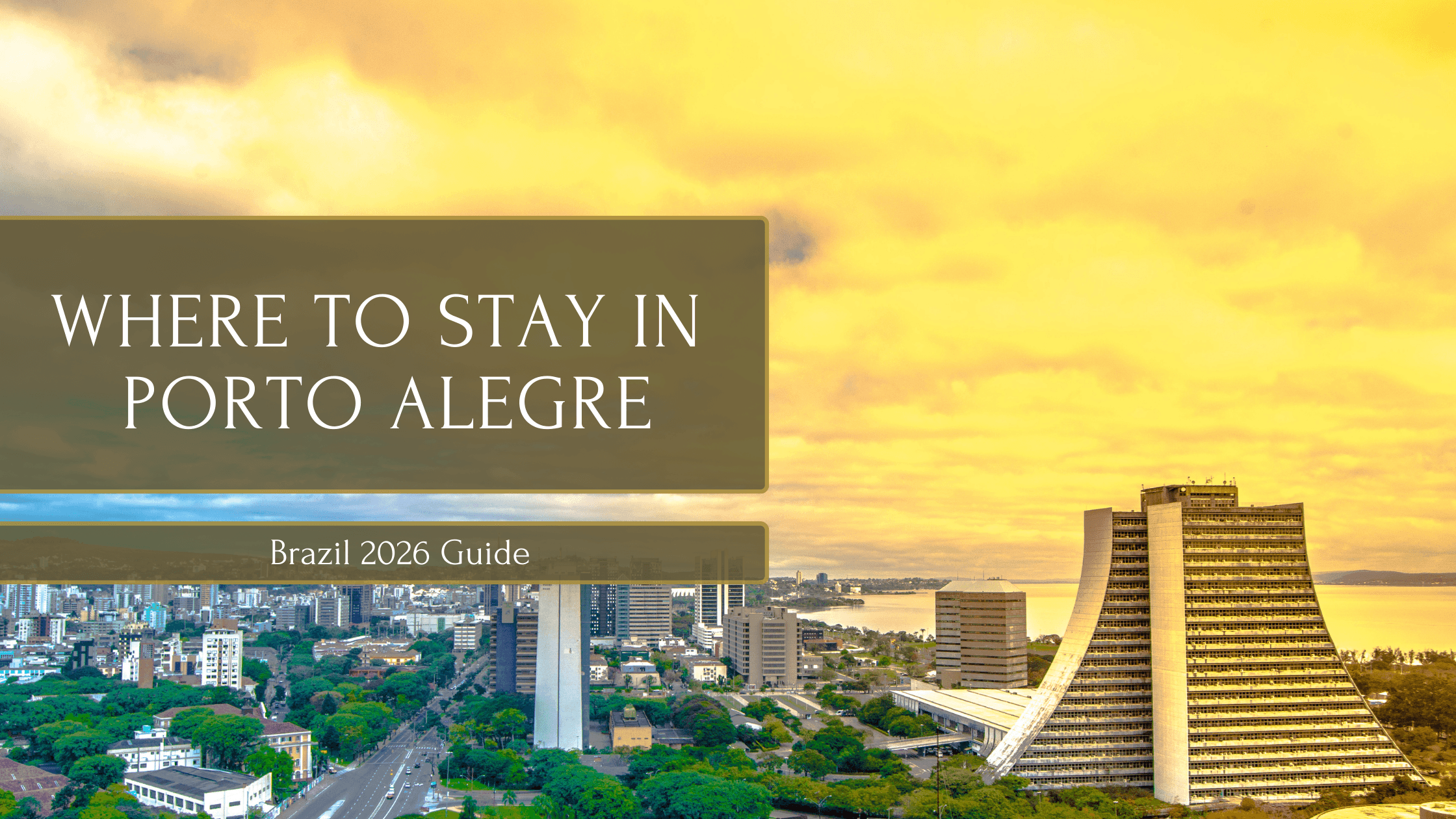
Porto Alegre isn’t a top-five Brazil destination yet. That works in your favor. The capital of Rio Grande do Sul is livelier than you’d expect, with genuine food culture, walkable neighborhoods, and fewer tourists clogging the streets than Rio or São Paulo, making it an ideal destination for those exploring the city center. But it also means the tourism infrastructure is still catching up—choosing where to stay matters more here than in bigger cities, so consider looking for a hotel near the main attractions. When planning your visit to the vibrant city, knowing where to stay in Recife can enhance your experience. Look for accommodations that offer easy access to local attractions and eateries, allowing you to immerse yourself in the rich culture and hospitality of the region. With plenty of options available, you can find the perfect spot to unwind after a day of exploration.
The right neighborhood can make or break a short trip, especially when trying to find luxury accommodations. Porto Alegre’s best areas cluster near the Guaíba waterfront and central districts, each with different vibes. This guide cuts through the noise and tells you exactly where to stay based on what you actually want from your time there.
What to Expect in This Post
This guide to where to stay is built for quick scanning and real-world decisions. Here’s what you’ll get:
- Real neighborhood breakdowns with pros, cons, and who they suit best
- Safety and walkability ratings for each area
- What type of accommodations you’ll find in each zone
- Best areas for families, nightlife, food, and first-time visitors, including options for those who want to choose the best spots in POA.
- Honest guidance on where NOT to stay and why, particularly near the arena or less frequented areas, is essential.
- Practical comparison of hotels vs. apartments in Porto Alegre
Where to Stay in Porto Alegre: Quick Overview
- Cidade Baixa — Historic center, walkable, mixed nightlife and business district
- Moinhos de Vento — Upscale residential, trendy cafés, good food scene
- Centro — Downtown core, transport hub, budget-friendly but less atmospheric compared to the vibrant Moinhos de Vento neighborhood.
- Bom Fim — Young, creative vibe, mid-range prices, walkable
- Petrópolis — Quieter, family-friendly, emerging food and art scene
- Praia de Belas — Modern waterfront, newer developments, pricier
Cidade Baixa
Best for: finding luxury hotels in vibrant neighborhoods that offer a genuine local experience. First-time visitors, food lovers, mixed travelers
Cidade Baixa (Lower City) is Porto Alegre’s oldest and most character-filled neighborhood, often bustling with outdoor activities. It sits directly on the Guaíba waterfront, which means river views are common and the promenade is an actual place people hang out, making it a popular outdoor spot near star hotels. The street grid is tight and historic; you can walk almost everything in the area.
The main strip along Rua Vigário José Inácio buzzes with restaurants, bars, and street life, especially after dark. You’ll find colonial architecture mixed with new bars and craft beer spots, and some modern hotels, like the Hilton, that reflect this blend of old and new. This isn’t a beach neighborhood—the waterfront is more urban park than sand—but it’s the closest thing Porto Alegre has to a genuine “scene,” perfect for outdoor gatherings, making it an ideal place to find luxury hotels nearby.
Safety is solid if you stick to the main avenues and waterfront areas. Late-night walks are generally fine, though like any urban core, awareness matters. Hotels here range from mid-range chains to small boutique places. Apartments are plentiful and often cheaper than hotels.
Moinhos de Vento
Best for: Upscale travelers, couples, those who want to eat well
Moinhos de Vento (Windmills) is Porto Alegre’s money neighborhood—tree-lined streets, higher rents, and a concentration of good restaurants and cafés. It’s not beachy or trendy in an Instagram way, but it’s genuinely pleasant and feels more like a neighborhood than a tourist zone.
The vibe is quiet during the day, residential and calm. At night, bars and restaurants fill with locals, not tourists. Food here is where Porto Alegre’s culinary identity actually lives—you’ll find better churrascarias and wine bars than in touristy areas. Walkability is excellent; the neighborhood spreads across maybe 15 blocks and everything is on foot.
It’s expensive relative to the rest of Porto Alegre, but cheap compared to similar neighborhoods in São Paulo or Rio. Hotels tend toward the upscale or boutique end. Safety is high, as is standard for wealthier residential areas in Brazilian cities, especially near the city center.
Centro (Downtown)
Best for: Budget travelers, those prioritizing transit access, business travelers
Centro is Porto Alegre’s downtown core and transport heart, making it a strategic location to find hotels near the porto alegre airport. If you need to reach everywhere quickly, this is it, especially from the Salgado Filho International Airport. The Rodoviária (bus station) and main metro hubs are here, plus most of the city’s business and government buildings.
The neighborhood is walkable but feels more utilitarian than appealing. You’ll find budget hotels and hostels aplenty, which makes it decent for backpackers or those staying just one night, especially near the shopping mall and Moinhos de Vento neighborhood. The energy is businessy during the day and quieter at night—not somewhere you’d want to spend an evening. Restaurants and bars exist but aren’t particularly good or atmospheric compared to the vibrant nightlife in the Moinhos de Vento neighborhood.
Safety is moderate during the day, lower at night. This isn’t a dangerous area, but it’s not somewhere to linger after hours. Many travelers stay here to access buses or connect flights, not because they want to spend time in the area.
Bom Fim
Best for: Young travelers, artists, those seeking local atmosphere
Bom Fim has become Porto Alegre’s creative neighborhood over the last decade. You’ll find street art, independent galleries, small galleries mixed into old buildings, and a younger crowd than you’d see in Moinhos de Vento. Prices are lower too, making it appealing if you want to stretch your budget.
The neighborhood is genuinely walkable, though it’s less polished than Moinhos de Vento or Cidade Baixa. Rua da República is the main artery, lined with cafés, vintage shops, and casual restaurants, making it a vibrant area to find hotels, including cozy options. The vibe is laid-back and feels like a place where people actually live, not a packaged tourist experience, making it a good place for authentic interactions.
Safety is good, especially along main streets and during the day. Late-night safety is fine if you use standard city judgment. Accommodations skew toward hostels, guesthouses, and mid-range apartments. Hotels are fewer here than in more touristy zones, so booking in advance is advisable, especially near the Salgado Filho International Airport.
Petrópolis
Best for: Families, those seeking quiet, travelers interested in local Rio Grande do Sul culture
Petrópolis (not to be confused with the mountain town near Rio) is Porto Alegre’s residential heart, with easy access to the city center. It’s less obviously “touristy” than other neighborhoods but increasingly popular with both families and creative types priced out of Bom Fim. You’ll find museums, parks, and a slower pace than downtown areas, ideal for families with pets.
The neighborhood is walkable in its core, though it sprawls more than tighter zones like Cidade Baixa. Transport via bus and metro is reliable. The vibe is genuinely local and calm—you’ll eat where families eat, not where tour groups eat. Restaurants tend toward simple and good rather than trendy.
Safety is high. Petrópolis feels residential and suburban in the best way. Accommodations are mostly apartments and guesthouses; few international hotels operate here, which can be an advantage if you want to avoid corporate tourism.
Best Neighborhoods for First-Time Visitors
- Cidade Baixa — Historic, walkable, waterfront, good mix of restaurants and nightlife, making it a good place to explore the local culture.
- Moinhos de Vento — If you want comfort and good food over nightlife; feels like a real neighborhood
- Bom Fim — If you’re younger or want a more local, creative vibe at lower prices, consider staying in the Moinhos de Vento neighborhood.
Centro works if you’re staying only one night or have early transport. Petrópolis is excellent if you’re staying longer and want to actually live like a local, not visit like a tourist.
Best Area for Food
Moinhos de Vento is where serious food happens in Porto Alegre. The neighborhood has the highest concentration of good churrascarias, wine bars, and restaurants using local Rio Grande do Sul ingredients. Cidade Baixa is second, with more casual but still genuine options. Bom Fim is where you eat cheaply and find younger, more experimental spots.
Best Area for Nightlife
Cidade Baixa owns this. The waterfront strip and Rua Vigário José Inácio light up after dark with bars, clubs, and live music venues. Moinhos de Vento has nightlife too, but it’s quieter and more bar-focused than club-focused. Bom Fim caters to a younger crowd in smaller, independent bars.
Best Area for Families
Petrópolis is your safest bet—quiet, residential, good parks, and a slower pace. Moinhos de Vento is second; it’s upscale and calm, with nearby parks and better restaurants for families than touristy zones. Avoid Centro for families unless you need it for transport.
Hotel vs. Apartment: What's Better in Porto Alegre?
Apartments often work better here than hotels. Airbnbs and local apartment rental platforms typically offer better value, more space, and better access to neighborhood life than hotels in the same price range. Many first-time visitors also overestimate how much time they’ll spend in their room—Porto Alegre is small enough that you’re out exploring most of the day.
That said, if you want daily cleaning, front-desk support, or just the ease of a hotel, they’re available in Cidade Baixa and Moinhos de Vento. Hotels in Centro tend to be budget chains without much personality. Boutique hotels exist in Cidade Baixa and are worth booking if they fit your budget.
Where NOT to Stay in Porto Alegre
Avoid suburbs far from Centro unless you have a specific reason. Areas like Gravataí, Canoas, or neighborhoods far north of Petrópolis require long bus rides and defeat the purpose of a city visit, especially when considering the distance to the mall. The city itself is compact; staying far out adds commute time without benefit.
Also skip hotels or apartments in immediate downtown (Centro) if you have options elsewhere. It’s purely a transit hub and gets quiet and less safe at night, particularly around the Salgado Filho airport area. And steer clear of very cheap hostels advertising “party scenes”—Porto Alegre doesn’t have the backpacker infrastructure of Salvador or Rio, so these tend to be low-quality and not ideal for finding luxury.
Key Takeaways
- Cidade Baixa is your best bet for first-time visitors: historic, walkable, waterfront, and genuinely lively
- Moinhos de Vento is where you stay if you prioritize food, comfort, and local neighborhoods over tourist infrastructure
- Bom Fim suits younger travelers and those seeking a creative, artsy scene at lower prices
- Petrópolis works for families and those staying longer who want to experience local life, including visits to the nearby mercado.
- Avoid Centro and distant suburbs; they waste time without adding experience
- Apartments often beat hotels in Porto Alegre for value and neighborhood integration, but if you’re looking for a modern hotel experience, there are options available.
- The city is compact—even “far” neighborhoods are 15–20 minutes by metro from the center
FAQs
Is Porto Alegre safe for tourists?
Yes, generally safer than Rio or São Paulo. Use standard city sense: avoid walking alone late at night in Centro, stay aware of surroundings, and stick to populated areas. Neighborhoods like Moinhos de Vento, Bom Fim, and Petrópolis are safer and more pleasant overall.
What's the best time to visit Porto Alegre?
October–April is summer in Brazil (hot and humid). May–September is cooler and drier. December–February can be sweltering. Any time works for city exploration; it’s just about heat tolerance.
Do I need to speak Portuguese in Porto Alegre?
English is less common than in Rio or São Paulo, but you’ll manage in tourist areas and hotels. Learning a few Portuguese phrases helps and is appreciated by locals. Exploring cultural experiences in Rio de Janeiro can truly enrich your visit. From samba dancing in the streets to savoring traditional feijoada, there’s a vibrant atmosphere that celebrates the city’s heritage. Don’t miss the chance to visit local markets where you can taste delicious street food and engage with friendly vendors.
How do I get around Porto Alegre, especially to popular spots like the shopping mall, and is there a map to find the best routes?
The metro (two lines) and buses are the main options. Taxis and Uber work but aren’t necessary for visiting central neighborhoods. Walking is actually your best option in most areas where tourists stay.
What's the average cost of hotels in where to stay in Porto Alegre?
Budget hotels run $30–50/night; mid-range $70–120/night; upscale $150+/night. Apartments often undercut these prices by 20–30%, making them a budget-friendly alternative to hotels like Ibis. Moinhos de Vento and Cidade Baixa are pricier than Bom Fim or Petrópolis.
How long should I stay in Porto Alegre?
Two to three days is enough to see the neighborhoods, eat well, and explore the waterfront. A week is ideal if you want to take day trips to nearby towns or wine regions in Rio Grande do Sul.
What should I visit while I'm staying in Porto Alegre?
The Museu de Arte do Rio Grande do Sul (MARGS), the Porto Alegre Botanical Garden, and the Guaíba waterfront promenade are main draws, especially for those looking to find hotels with great access to these attractions. The best neighborhoods where to stay in Porto Alegre, including the cozy Moinhos de Vento neighborhood. are also where you’ll find the best restaurants and bars. For broader context on the city, check this travel guide from Rough Guides or the official Porto Alegre tourism site.