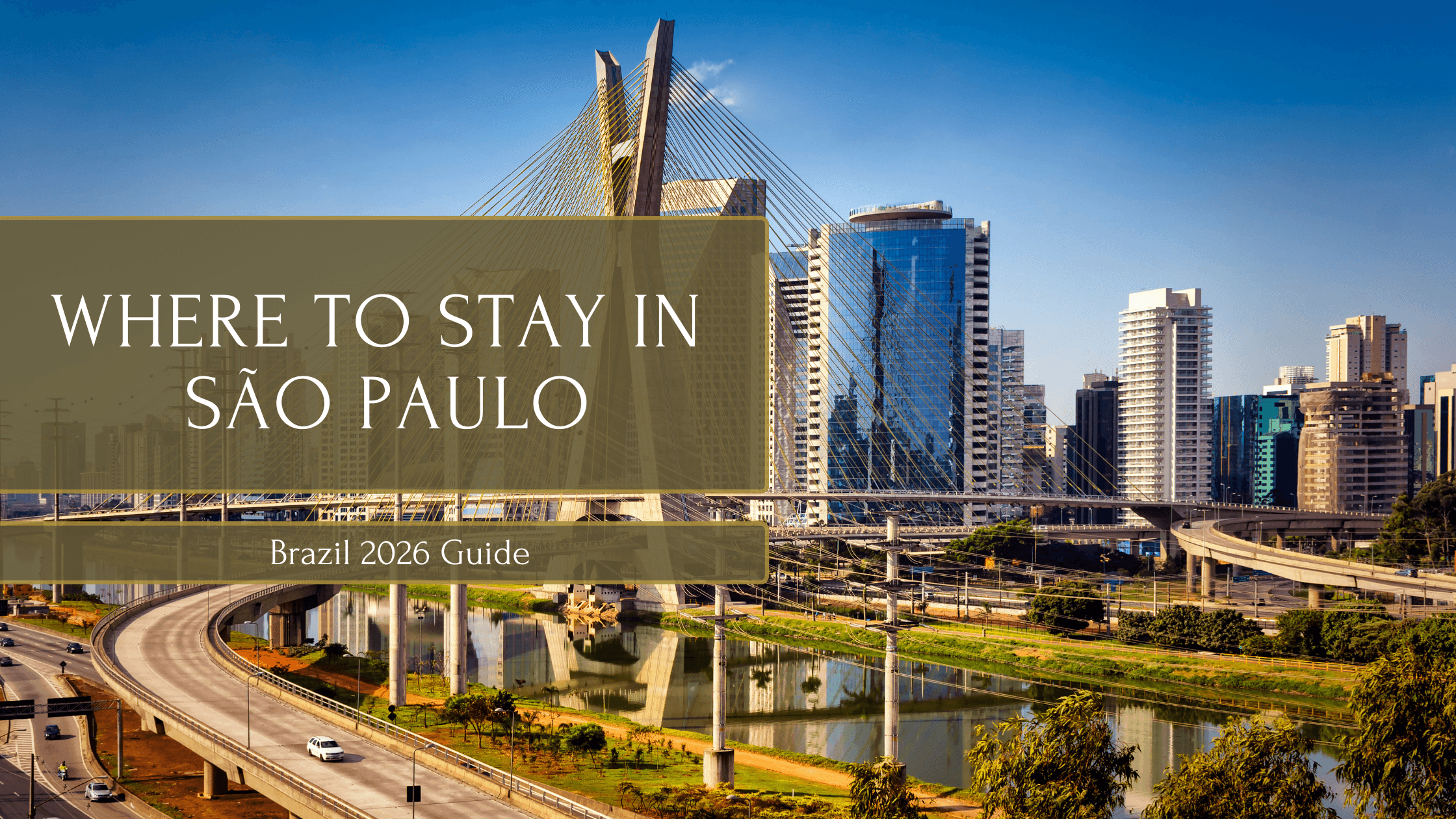
Where to Stay in São Paulo, Brazil (2026 Guide)
Where to Stay in São Paulo, Brazil (2026 Guide)
São Paulo is the world’s fifth-largest city—over 12 million people across dozens of neighborhoods. If you’re wondering where to stay in São Paulo, you’re facing genuine complexity. The difference between choosing the right neighbourhood versus a poor fit determines whether you love or regret your trip to Brazil. When considering where to stay in Brasília, think about the amenities and atmosphere that align with your travel goals. Each neighborhood offers unique experiences, from vibrant cultural scenes to tranquil parks. By selecting the right accommodation, you can enhance your visit and truly immerse yourself in the local lifestyle.
This guide cuts through the noise. We’ve mapped the best neighbourhoods in São Paulo based on walkability, nightlife, safety, and what actually matters to travelers. Whether you’re a first-time visitor to Brazil or a returning traveler, you’ll find a clear answer to guide on where to stay in São Paulo. After you explore the beaches of Bahia, make sure to indulge in the vibrant local cuisine, which offers a delightful fusion of flavors from various cultures. Additionally, take time to immerse yourself in the rich history and traditions of the region, as each beach has its own unique story to tell. Whether you prefer lounging in the sun or participating in water sports, Bahia has something to offer every type of beachgoer.
What to Expect in This Post
This guide to where to stay is built for quick scanning and real-world decisions. Here’s what you’ll get:
- Five detailed neighbourhood guides for stay in São Paulo, each with honest pros and cons
- Safety and walkability ratings for neighbourhoods in São Paulo
- Hotel and accommodation types available in each area
- Clear recommendations for first-time visitors, families, and nightlife seekers
- Practical advice on where to stay in sao paulo as apartments versus hotels
- Answers to common questions about staying in Brazil’s largest city
Where to Stay in São Paulo: Quick Overview
- Vila Madalena – Heart of São Paulo’s art scene, walkable, young crowd, street art
- Pinheiros – Residential neighbourhood, excellent restaurants, less touristy
- Avenida Paulista & Consolação – Central to museums and city transport
- Itaim Bibi – Upscale neighbourhood, nightlife hub, trendy bars
- Vila Mariana & Jardim Paulista – Affluent neighbourhood, Ibirapuera Park access
Vila Madalena: São Paulo's Creative Soul
Best for: First-time visitors, artists, couples, creatives exploring Brazil
Vila Madalena neighbourhood is where most tourists in São Paulo end up—for good reason. It’s the most walkable part of São Paulo you’ll encounter, packed with art galleries, street art (especially Beco do Batman), and boutique shops. This neighbourhood in São Paulo has genuine energy without feeling unsafe.
Safety in Vila Madalena is solid for São Paulo standards. Rua Bom Pastor and surrounding streets stay busy with pedestrians. Walkability is excellent—most attractions within 15 minutes on foot. The café culture is strong; coffee shops line every block.
The vibe is young and creative. You’ll find designers, students, travelers, and artists. Nightlife is good without being overwhelming. Mid-range hotels, boutique guesthouses, and apartments dominate. Within walking distance of nightlife, restaurants, and galleries. Book ahead during high season.
Pinheiros: Where São Paulo's Locals Live
Best for: Families, food lovers, travelers seeking authentic Brazil without the tourist bubble
Pinheiros neighbourhood is residential but vibrant—this is where locals actually eat, drink, and spend weekends. Rua dos Pinheiros buzzes with wine bars, design studios, and cafés. Living in this neighbourhood means experiencing real São Paulo, not a filtered version.
Safety is very good in Pinheiros neighbourhood. It’s middle-class, well-lit, with steady foot traffic. Less crowded than Vila Madalena, which appeals to travelers seeking depth. The river (Pinheiros River) anchors the neighbourhood’s character. Within easy walking distance of best restaurants and independent shops.
The vibe is sophisticated and relaxed. Established professionals, young families, creative workers call this neighbourhood home. Hotels here are guesthouses and serviced apartments—intimate, not corporate. A 15-minute metro ride to downtown São Paulo or to Avenida Paulista museums.
Consolação, Cerqueira César & República: Heart of Downtown São Paulo
Best for: Business travelers, convenience-seekers, museum-focused visitors to Brazil
These neighbourhoods sit directly in central São Paulo, close to Avenida Paulista—home to São Paulo’s Museum of Art (MASP) and iconic Trianon-MASP station. If you want proximity to museums, galleries, and the historic center, this is the best bet.
Safety is solid along Avenida Paulista itself and major metro stations. The historic center (Sé area) has lower walkability at night. The Trianon-MASP station is a major transport hub. Access to the metro makes reaching anywhere in São Paulo simple within 20 minutes.
The vibe is corporate and transient. Most international chains and modern hotels cluster here. Avenida Paulista Avenue itself lacks residential character but offers convenience. Praça da República (Republic Square) adds some local flavour. Good for travelers prioritizing transport and attractions over neighbourhood character.
Itaim Bibi: São Paulo's Premier Nightlife Destination
Best for: Nightlife enthusiasts, upscale travelers, looking to party in Brazil
Itaim Bibi neighbourhood is where São Paulo’s nightlife actually concentrates. Bars and restaurants line Avenida Juscelino Kubitschek; nightclubs stay packed Thursday to Sunday. This neighbourhood in São Paulo feels more like a financial district moonlighting as a party zone than a traditional neighbourhood.
Safety is good around main commercial strips. Walkability is moderate—venues spread out, Ubers more practical than walking late-night. The neighbourhood itself lacks organic charm; it’s polished and designed.
The vibe is upscale and nightlife-focused. Young professionals, international expats, and party-seeking travelers dominate. Lots of bars and restaurants run high-end. Hotels here are 4-star and above. This is where to stay if nightlife is your priority and budget allows.
Vila Mariana & Jardins: Affluent Neighbourhoods Near Ibirapuera
Best for: Upscale travelers, those seeking residential neighbourhood experience close to parks
These affluent neighbourhoods sit within walking distance of Ibirapuera Park—São Paulo’s largest urban green space. Vila Mariana neighbourhood is quieter, more established. Jardim Paulista neighbourhood is chic and residential. Both offer city views and proximity to museums via Ibirapuera Park.
Safety is very good. These neighbourhoods feel like actual São Paulo residential areas, not tourist zones. Walkability is excellent within the neighbourhood; walking distance to cafés, shops, and parks. Close to Paulista Avenue for culture, but removed from downtown bustle.
The vibe is sophisticated and calm. The best restaurants cluster here too. Modern hotels and upscale serviced apartments cater to affluent travelers. Ibirapuera Park (parque) offers walking trails, museums, and gardens. A metro connection links to downtown São Paulo and Avenida Paulista.
Best Neighbourhoods for First-Time Visitors to São Paulo
- Start in Vila Madalena neighbourhood for walkability, street art, and authentic neighbourhood character
- Add Pinheiros neighbourhood to eat where locals eat—best restaurants concentrate here
- Visit Ibirapuera Park in Vila Mariana for green space and culture
- Skip Itaim Bibi unless nightlife is your sole focus; it’s a nightlife destination, not a home base
- Use downtown São Paulo (Consolação, República) only for museum day trips via metro
Best Neighbourhoods for Food & Nightlife
Food: Pinheiros neighbourhood wins decisively. Lots of good restaurants, independent cafés, and live music venues. Vila Madalena offers walkable options but less depth. Downtown São Paulo near historic center has street food culture.
Nightlife: Itaim Bibi neighbourhood and Bixiga neighbourhood (historic center) are your best bets. Itaim Bibi is upscale; Bixiga offers eclectic live music in bohemian setting. Both require Ubers after midnight for safe transit back to accommodation.
Best Neighbourhoods for Families
Pinheiros neighbourhood is the clear choice for families. It’s a residential neighbourhood, safe, with parks and cafés. Vila Mariana neighbourhood (near Ibirapuera Park) works well for families seeking green space. Vila Madalena is walkable but leans toward nightlife. Avoid Itaim Bibi with children; too party-focused.
Hotel vs. Apartment: What's Better in São Paulo?
Hotels offer daily cleaning and front desk support—useful for short stays (under a week). Booking a modern hotel in Vila Madalena or Pinheiros neighbourhood means neighbourhood access without logistical responsibility.
Apartments (Airbnb or serviced) suit longer stays (7+ days). You get kitchen access, more space, and a real residential experience. Many travelers find an apartment in Pinheiros neighbourhood or Vila Madalena gives the genuine “living in São Paulo” feel. You manage check-in and cleanings yourself.
Where NOT to Stay in São Paulo, Brazil
Avoid neighbourhoods far from metro stations—you’ll depend on Ubers and lose walkability. Don’t book cheap hotels in unfamiliar areas; safety varies dramatically by neighbourhood in São Paulo. If concerned about safety, stick to recommendations above.
Specific areas like Bom Retiro, Cracolândia, and outer reaches are unsuitable for most travelers. Stick to the neighbourhoods listed or ask your accommodation about safe walking routes.
Key Takeaways
- Vila Madalena neighbourhood is safest, most walkable first-time visitor base in São Paulo
- Pinheiros neighbourhood offers authentic local experience without tourist overlay
- Avenida Paulista area is central but lacks neighbourhood character
- Itaim Bibi neighbourhood is for nightlife side trips, not home bases
- Vila Mariana neighbourhood pairs upscale living with Ibirapuera Park access
- Hotels suit short stays; apartments suit longer ones
- Always ask accommodation about safe walking routes and timing
Frequently Asked Questions
What is the best neighbourhood to stay in São Paulo, Brazil for first-time visitors?
Vila Madalena neighbourhood. It’s walkable, has street art and galleries, solid safety, and feels like a real neighbourhood. Pinheiros neighbourhood is close second if you prioritize food over nightlife.
Is stay in São Paulo safe for tourists?
Yes, if you stay in recommended neighbourhoods and use common sense. Vila Madalena and Pinheiros are safe. Avoid displaying valuables, don’t walk alone very late at night, and use Ubers after 10 PM.
How easy is public transport in São Paulo, Brazil?
The metro is clean, efficient, and cheap ($0.80 per ride). Learn the map first—buses require more navigation. Ubers cost $3–8 for most rides and are practical for tourists.
Should I stay near Avenida Paulista or in a neighbourhood?
Choose a neighbourhood (Vila Madalena or Pinheiros) and take metro to Avenida Paulista Avenue for museums and MASP. Paulista itself isn’t residential. You’ll have better restaurants and local feel in an actual neighbourhood.
How much should I budget for hotels when you stay in sao paulo?
Mid-range hotels in neighbourhoods: $60–$100/night. High-end hotels on Avenida Paulista: $120–$250/night. Serviced apartments: $40–$80/night. Book via booking.com to compare options.
What's the best time to visit São Paulo?
November to March is warmest and priciest. April to October is cooler and less crowded. June/July driest. Avoid Carnival (late February/early March) unless that’s your target. Book 2–4 weeks ahead for better rates.
Can I walk around at night in São Paulo neighbourhoods?
Vila Madalena and Pinheiros neighbourhoods are walkable until 11 PM on main streets. After midnight, use Ubers. Downtown São Paulo near República is less reliable late. Always stay aware of surroundings.