
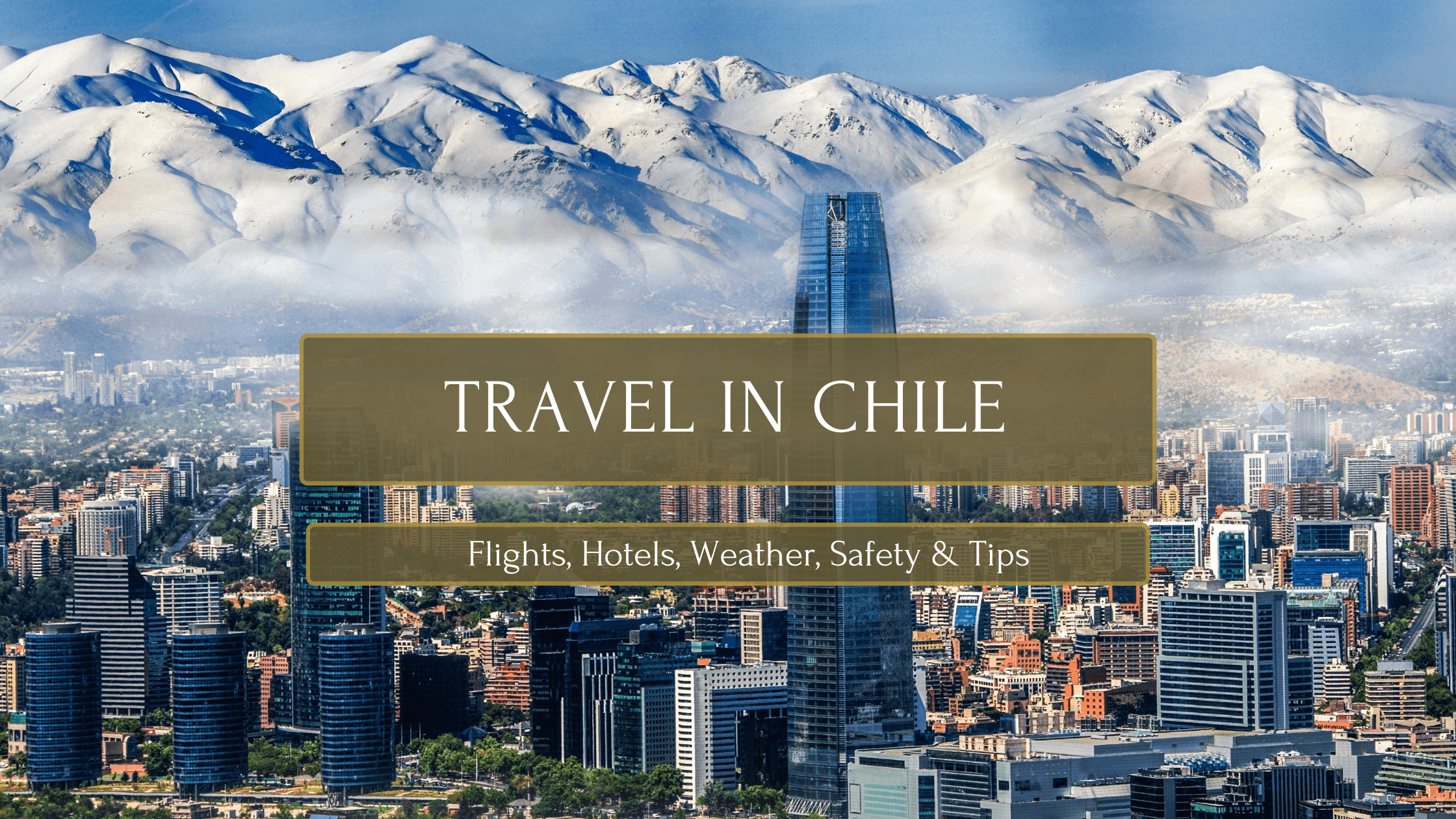
Travel in Chile: The Complete Guide to Places to Visit
Flights, Hotels, Weather, Safety & Tips
Chile stretches along South America’s western edge, offering some of the continent’s most dramatic landscapes. From the otherworldly salt flats of the Atacama Desert to the granite peaks of Torres del Paine National Park, and thriving wine regions between them, Chile has become essential for independent travellers and families. The country combines world-class natural attractions with solid infrastructure, making it one of Latin America’s most straightforward destinations.
Whether you’re hiking to lagoons, kayaking between glaciers, exploring vibrant port cities, or escaping crowds, Chile works for every traveller type. It’s accessible for first-timers and rewarding for repeat visitors. Families, backpackers, and digital nomads all find what they’re looking for across the country. One of the highlights of your stay will be exploring the top neighborhoods in Santiago, Chile, where diverse cultures and culinary delights await. Each area offers a unique vibe, from the historic charm of Barrio Bellavista to the modern appeal of Vitacura. Whether you’re seeking art, music, or delicious food, Santiago’s neighborhoods provide an exciting backdrop for your adventures.
Quick Facts: Chile at a Glance
Capital: Santiago
Currency: Chilean Peso (CLP)
Language(s): Spanish (English spoken in tourist areas and younger demographics)
Time Zone: CLT (UTC-3), shifting to UTC-2 during daylight saving (September–April)
Visa Overview: Citizens of the US, UK, Canada, Australia, and most EU countries receive 90 days visa-free. The chilean government website confirms current entry and exit requirements.
Plug Type: Type C and Type L (European round pins). Bring a universal adapter.
Budget Range: Budget travellers manage $40–60 USD daily. Mid-range: $80–150. Luxury experiences cost significantly more.
Flights to Chile
Santiago’s Arturo Merino Benítez International Airport is South America’s main hub for long-haul arrivals. Smaller numbers of international flights serve Antofagasta (north of Chile) and Puerto Montt, but Santiago remains your most reliable entry point for most itineraries.
Direct flights operate from major US cities (Miami, Dallas, Houston, Los Angeles, New York) and European hubs (Madrid, Frankfurt, Paris). From Australia or New Zealand, connect through US or South American gateways.
Book 2–3 months ahead for best prices. Flights tend to be cheaper during shoulder seasons (April–May, September–October) versus peak summer (December–February). Tuesdays and Wednesdays often beat weekend fares. Set price alerts and remain flexible with dates when possible.
Hotels in Chile: Where to Stay in Chile
Chile’s accommodation ranges from budget hostels to luxury lodges across both cities and remote regions.
Hostels concentrate in Santiago, coastal cities, and adventure towns like San Pedro de Atacama and Puerto Montt. Expect $15–30 USD per dorm bed, often with breakfast and communal kitchens.
Mid-range hotels and guesthouses ($60–120 nightly) provide private rooms with good amenities. Family-run hospedajes (small inns) throughout the country offer excellent value.
Apartments and vacation rentals suit longer stays or families, offering kitchens and space.
Luxury lodges and resorts ($150+ nightly) cluster in wine regions, Patagonia, and northern Chile.
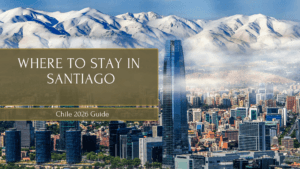
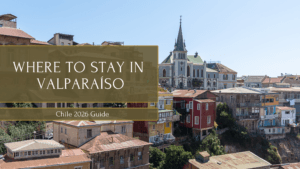
Best neighbourhoods for places to stay: Santiago’s Lastarria and Ñuñoa offer character and safety. Valparaíso attracts coastal travellers. San Pedro de Atacama serves as a base for desert exploration. Puerto Montt and Puerto Natales gateway to the Chilean Lake District and southern Patagonia respectively.
Families prioritise transport links, parks, and walkable restaurants. Solo travellers benefit from hostels with strong social scenes. Digital nomads should verify internet reliability outside major cities.
Central Chile, Northern Chile & Southern Chile: Regional Overview
Northern Chile features the Atacama Desert—Earth’s driest place. San Pedro de Atacama offers salt flats, volcanoes, and geysers. Antofagasta provides access to copper mining heritage and coastal experiences.
Central Chile encompasses Santiago and surrounding valleys. Wine country delivers world-class vineyard tours. The Chilean Lake District (near Puerto Montt and Pucón) combines forests, volcanoes, and alpine scenery.
Southern Chile and Southern Patagonia offer dramatic wilderness. The Carretera Austral winds through remote landscapes. Puerto Natales accesses Torres del Paine National Park—Chile must-see destination. Punta Arenas serves the far south and penguin colonies.
Weather & Best Time to Visit Chile
Chile’s length means weather varies dramatically. The north stays arid and warm year-round. Central regions experience Mediterranean seasons. The south is cool and wet.
Summer (December–February): Peak season. Central and northern areas are hot and dry—ideal for wine tours. Patagonia becomes mild and mostly dry, perfect for hiking. Expect crowds and higher prices. Families travel during school holidays.
Autumn (March–May): Cooler temperatures, fewer crowds. Rain gradually increases, especially south of Chile. Excellent for most activities with better value.
Winter (June–August): Cold south, significant rainfall in southern Chile. Northern Chile remains warm and ideal for Atacama visits. Patagonia turns rainy and windy; some hikes close. Low-season pricing.
Spring (September–November): Warming temperatures, wildflower blooms. The south stays cool but increasingly dry. Another sweet spot before peak summer.
Best overall: September–October and March–May offer ideal weather, fewer crowds, and better prices. For southern Patagonia specifically, December–February provides the most stable conditions for hiking.
Families: Avoid peak summer if crowds concern you. Spring and autumn provide comfortable weather. Winter works for northern Chile.
Outdoor enthusiasts: December–February suits Patagonia trekking. September–November works for general hiking throughout the country. June–August targets the far north.
Safety and Security: Is Chile Safe for Travellers?
Chile ranks among Latin America’s safest countries and welcomes tourists warmly. Violent crime targeting visitors remains rare, with reliable infrastructure and responsive police.
Petty theft occurs in major cities—crowded areas, public transportation, and tourist attractions require attention. Robbery and scams are uncommon but possible. Some neighbourhoods in Santiago and port cities warrant caution, particularly at night.
Safety and security tips: Avoid displaying expensive jewellery, cameras, or large cash amounts. Use hotel safes for valuables. Take registered taxis, ride-sharing apps, or hotel transport rather than street hails. Stay aware but not paranoid—most visitors encounter no issues.
Tourist-friendly neighbourhoods remain well-policed and populated. Daytime walks in Lastarria, Bellavista, and along the Mapocho riverbank are perfectly safe. Late-night walks are best in groups or via taxi.
The chilean government maintains political stability. Earthquakes occur but are well-managed. Water is safe throughout the country. Medical facilities in cities are modern.
Entry and Exit Requirements for Travel to Chile
Visa Overview: Most nationalities receive 90 days visa-free. Check with the chilean embassy or your government for current entry and exit requirements—these can shift.
Customs: Standard customs regulations apply. The chilean government enforces agricultural product restrictions when entering.
Travel Documents: Passport valid beyond your stay is mandatory. Citizens residing in chile or planning extended stays should contact the chilean immigration office.
Transportation: Getting Around Chile
Bus Travel: Buses form Chile’s backbone. Overnight buses between distant regions are common and economical, saving accommodation costs. Long-distance buses from Santiago reach most places in chile.
A bus from Santiago to San Pedro de Atacama takes approximately 22 hours. Take a bus from Puerto Montt to explore the Chilean Lake District. Comfortable overnight buses with semi-cama (reclining seats) make multi-hour journeys manageable.
Public Bus Systems: Cities operate public buses. Santiago’s metro (subway) is efficient for getting around. Regional capitals have local public transportation.
Domestic Flights: Short flights save time for long distances. Santiago to Punta Arenas or Puerto Montt reduce travel hours significantly.
Car Rental: Practical in Patagonia and remote areas. Road safety standards are reasonable; drive defensively on rural routes. The Carretera Austral demands careful attention and rewards adventurous drivers.
Internal Connectivity: Prepaid SIM cards work reliably in towns. Data plans are affordable. Remote areas have spotty coverage. Most accommodation and cafes offer wifi.
Best Places to Visit in Chile: Regional Highlights
Santiago: Chile’s vibrant capital offers museums, markets, nearby wine valleys, and urban culture. Day trips access Andean foothills and recreational areas.
San Pedro de Atacama: Gateway to salt flats, volcanoes, and geysers. The Atacama Desert landscape is otherworldly. Connect with tours exploring Bolivia and Peru borders.
Atacama Region: Chile’s north features dramatic desert landscapes, ancient ruins, and extreme altitude experiences.
Wine Country: Central valleys produce world-renowned wines. Vineyard tours, tastings, and wine-focused lodging make this essential for oenophiles.
Chilean Lake District: Forests, volcanoes (Osorno), and alpine lakes near Puerto Montt and Pucón. Hike through national parks. The region offers coastal access near Puerto Montt and mountain exploration.
Chiloé: Unique archipelago with wooden churches (UNESCO World Heritage sites), local traditions, and distinctive culture. Explore via ferry or bus from Puerto Montt.
Carretera Austral: Remote southern highway through pristine wilderness. Glacier viewpoints, hiking, and adventure define this drive.
Torres del Paine National Park: Southern Patagonia’s crown jewel. Hike the famous W Trek or viewpoint loops. Granite peaks, turquoise lakes, and wildlife create unforgettable experiences.
Puerto Natales: Charming port city and gateway to Torres del Paine. Day trips access glaciers and national parks. A base for southern Patagonia exploration.
Punta Arenas: Port city at the far south, providing access to penguin colonies and Antarctica-focused tours.
Chile Travel Itinerary Planning
One Week: Focus on Santiago and one region. Combine capital exploration with San Pedro de Atacama, wine country, or Lake District sampling.
Two Weeks: Santiago → San Pedro de Atacama or wine country → Lake District/Chiloé → begin Patagonia. Or concentrate on southern Patagonia if outdoor pursuits dominate.
Three Weeks: Cover north, central, and south: Santiago → Atacama → wine country → Lake District → Patagonia. This paced itinerary explores Chile’s best places without rushing.
One Month+: Leisurely exploration with flexibility. Hike multiple national parks, spend time in smaller towns, drive the Carretera Austral, or revisit favourite places.
Things to Do in Chile: Activities Across the Country
Hiking: Trails span difficulty levels. Day trips from Puerto Montt access national park valleys. The W Trek in Torres del Paine offers multi-day challenges. Volcano hikes near Osorno provide accessible high-altitude experiences.
Wine Tours: Central valley experiences range from casual tastings to in-depth producer visits.
Desert Exploration: Salt flats, geysers, and volcano ascents in the Atacama Desert.
Glacier Viewing: Ice-trekking and boat tours showcase Patagonian glaciers.
Wildlife: Penguin colonies near Punta Arenas, guanaco herds in Patagonia, and birdwatching throughout.
Cultural Experiences: Wooden churches in Chiloé, local markets in Santiago, and indigenous heritage sites.
Water Sports: Kayaking, rafting, and fishing available across regions.
Frequently Asked Questions About Travel in Chile
Is it safe to travel to Chile right now?
Yes. Chile remains one of South America’s safest destinations. Violent crime targeting tourists is rare, infrastructure is reliable, and the chilean government maintains political stability. Exercise standard urban awareness in major cities—avoid displaying valuables, use registered transport, and stay in well-established neighbourhoods. Water is safe, medical facilities are modern, and most visitors experience no safety issues.
Which is safer, Chile or Argentina?
Both rank among South America’s safest countries. Chile generally has lower violent crime rates and slightly better infrastructure. Argentina’s safety varies significantly by neighbourhood in Buenos Aires and other cities. For independent travellers without extensive South America experience, Chile edges ahead for ease and consistency across regions. Both are substantially safer than many other destinations in the continent.
How many days in Chile is enough?
Minimum: one week for Santiago and one region (wine country or Lake District). Two weeks allows Santiago plus Atacama or Patagonia sampling. Three weeks enables a north-to-south itinerary spanning the country. One month permits leisurely exploration, multiple hikes, and revisiting favourite places. Most travellers find two to three weeks ideal for balancing variety without excessive travel fatigue.
Can I speak English in Chile? Do US cell phones work?
English is spoken in tourist areas, hotels, restaurants, and among younger Chileans—but not universally. Learn basic Spanish phrases. Many travel websites and apps offer translation support. US cell phones work with local prepaid SIM cards (affordable data plans available). Alternatively, some US carriers offer international plans, though local SIMs cost far less. Most accommodation and cafes provide wifi.
What is the best month to visit Chile?
September and October offer ideal conditions across most regions: warm temperatures, minimal rain, fewer crowds than peak summer, and better pricing. March through May (autumn) provides similarly excellent weather with pleasant temperatures. December through February brings peak summer—hot in the north and central regions, mild in Patagonia, but with larger crowds and higher prices. Winter (June–August) suits Atacama Desert visits and offers rock-bottom accommodation rates, though southern regions become rainy and cool.