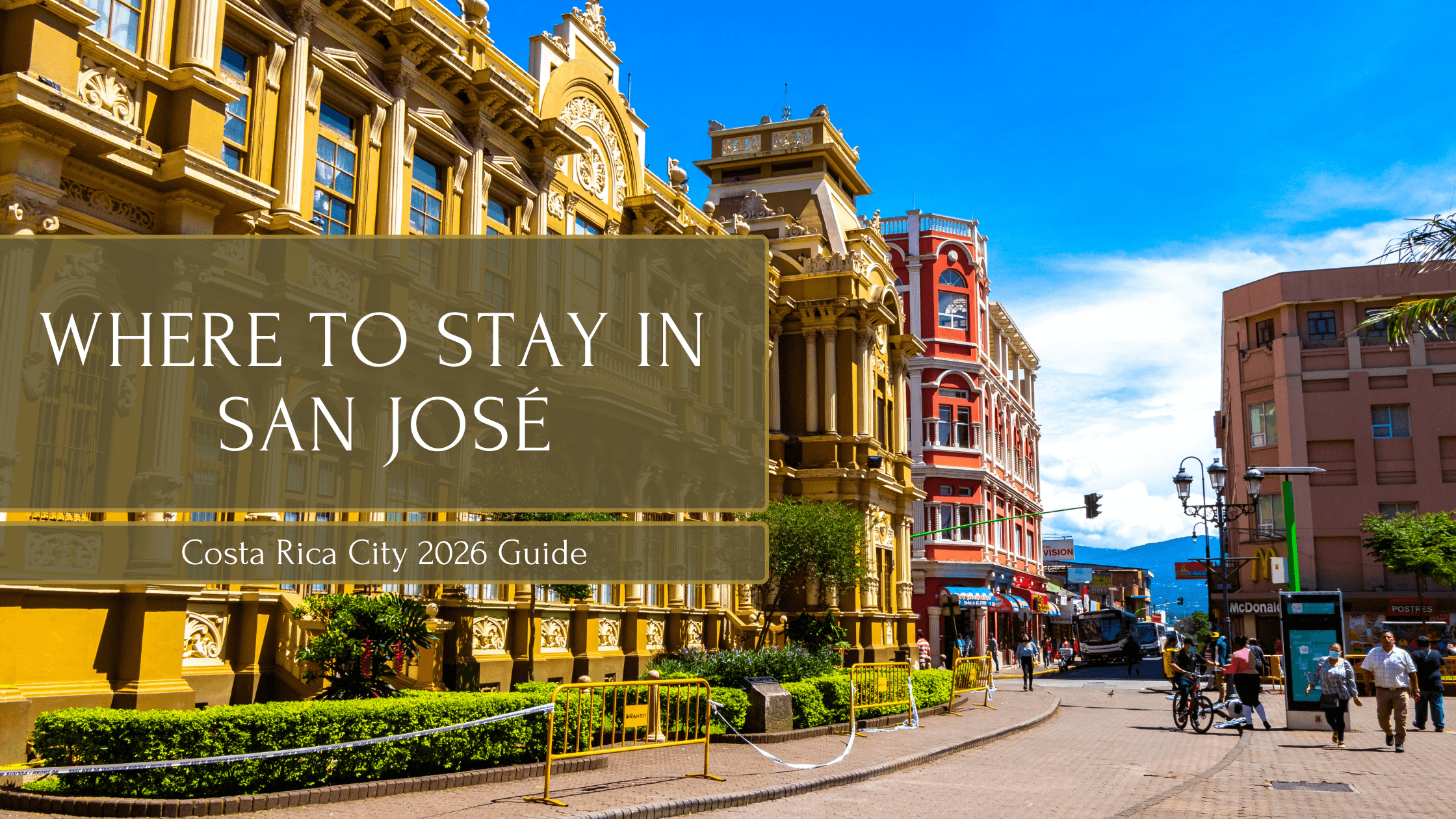
Where to Stay in San José, Costa Rica (2026 Guide)
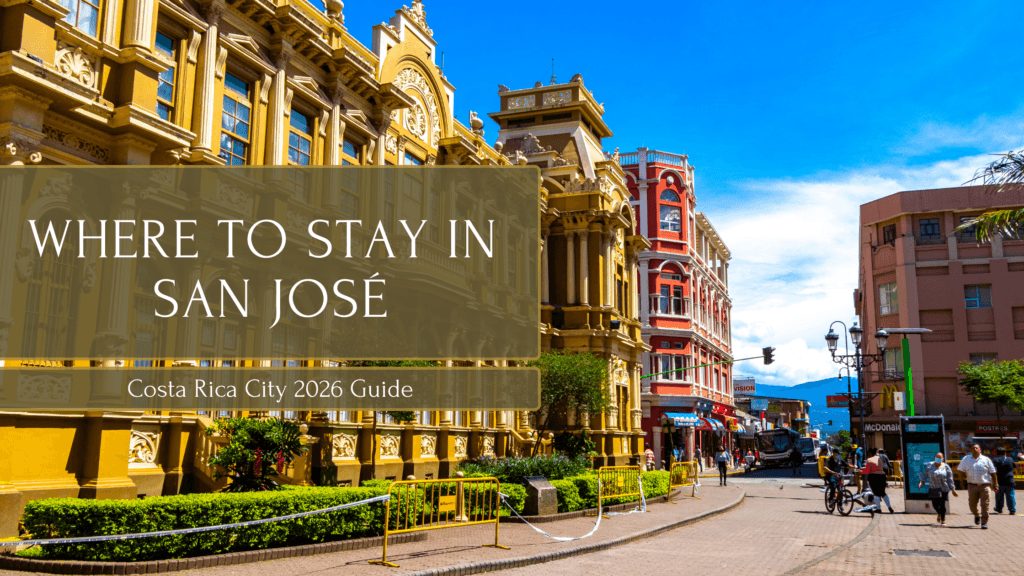
Where to Stay in San Jose, Costa Rica (2026 Guide)
San José gets a bad rap. Most travelers use it as a launching pad to beaches and cloud forests, spending as little time as possible in the capital.
That’s a mistake if you’re flying in late, have an early departure, or want to understand Costa Rica beyond the tourist trail. Where to stay in San José matters more than you’d think—the difference between a safe, walkable neighborhood and a sketchy one is just a few blocks. If you want to truly appreciate the biodiversity of the region, you should explore rainforests in Costa Rica. Guided tours offer insights into the unique flora and fauna that thrive in these lush environments. Additionally, immersing yourself in the natural beauty of the rainforests can provide a refreshing contrast to urban life in San José.
What to Expect in This Post
This guide to where to stay is built for quick scanning and real-world decisions. Here’s what you’ll get:
- A breakdown of the 5 best neighbourhoods to stay in San José
- Which areas offer the best hotels in San José for different traveler types
- Where to find nightlife, museums, and family-friendly zones
- Hotel vs apartment guidance specific to San José, CA (Costa Rica)
- Areas to avoid and why
- Answers to the most common questions about hotels in San José
Where to Stay in San José: Quick Overview
- Barrio Escalante – Trendy boutique hotel zone, best restaurants and cafés
- La Sabana – Safe, residential, near the park and museums
- San Pedro – University vibe, budget-friendly guest houses, good nightlife
- Barrio Amón – Historic downtown district, boutique hotels, central location
- Santa Ana / Escazú – Upscale suburbs, luxury hotels, expat hubs
Barrio Escalante: Best Boutique Hotels in San José
Best for: Foodies, couples, solo travelers who want walkable streets and local charm.
This is San José’s most visitor-friendly neighborhood. Tree-lined streets, craft cocktail bars, and some of the best restaurants in Costa Rica packed into a few walkable blocks.
You’ll find elegant boutique hotels here rather than large chain properties. Many occupy converted houses with stylish interiors and personalized guest service.
Safety is solid. You can walk to a museum or dine at night without stress. Most hotels near this area offer rooms with modern lighting and chic furniture that blend Costa Rican charm with contemporary design.
The trade-off? It’s residential, so you won’t find big hotels with pools or convention center access. But if you want to experience a real San José neighborhood that doesn’t feel touristy, this is it.
La Sabana: Hotels Near the Park
Best for: Families, joggers, travelers who want space and safety with outdoor access.
La Sabana sits next to Parque Metropolitano La Sabana, the city’s largest green space with trails and sports facilities. It’s quiet, residential, and one of the safest areas in San José.
This neighborhood attracts expats and middle-class Ticos. You’ll find gyms, supermarkets, and a few must-visit museums nearby, including the Costa Rican Art Museum with its beautiful landscape gardens.
Hotels here range from mid-range properties to suite-style accommodations and apartment rentals. Some offer shuttle service to downtown San José or the airport. It’s not within quick walking distance of the city center, but Ubers are cheap and plentiful.
If you want a calm base with easy access to attractions and the airport, La Sabana works.
San Pedro: Budget Hotels in San José
Best for: Students, budget travelers, nightlife seekers, and the tech-savvy tourist.
San Pedro is home to the University of Costa Rica, which means cheap eats, lively bars, and younger crowds. It’s scrappier than Escalante but still relatively safe if you stick to main streets.
You’ll find hostels, budget hotels, and casual sodas (local diners) here. The vibe is energetic, especially during the week when students are around. Some rooms come at rock-bottom rates—perfect for travelers watching their budget in 2025.
Walkability is decent in the core, but the neighborhood sprawls. Public buses connect San Pedro to downtown, though traffic can be brutal during rush hours.
This is a good pick if you’re on a budget and want entertainment without the polish of luxury hotels.
Barrio Amón: Historic Downtown San José Hotels
Best for: History buffs, business travelers, those who want a premier central location.
Barrio Amón is San José’s historic heart. Victorian mansions, cobblestone streets, and a handful of boutique hotels give this area character you won’t find elsewhere.
It’s walkable to the National Theatre, Central Market, and most downtown museums. Some hotels occupy restored historic houses with elegant courtyards and period furniture.
Safety is fine during the day, but streets empty out at night—stick to well-lit areas or take an Uber after dark. Guest ratings on TripAdvisor often mention the charm but note the urban setting.
This neighborhood feels more “capital city” than the others. You’ll see office workers, government buildings, and a mix of restored and neglected architecture.
If you want to be in the heart of things and don’t mind a bit of urban grit, stay downtown in this historic district.
Santa Ana and Escazú: Luxury Hotels and Upscale Stays
Best for: Expats, families, travelers who want suburban comfort and designer amenities.
These adjacent suburbs west of San José are where wealthy Ticos and expats live. You’ll find gated communities, shopping areas, international restaurants, and American chain stores.
Safety is excellent. Streets are clean. English is widely spoken. Several luxury hotels and pet-friendly resorts operate here, some with fitness centers, pools, and rooftop lounges.
The landscape feels more like the Bay Area or Silicon Valley than Central America—manicured, tech-forward, and comfortable.
But you’re not really in San José anymore—you’re in a bubble. If you’re traveling with kids, need familiar comforts, or are staying longer-term, this makes sense.
If you want to experience Costa Rican culture, stay closer to the city center. Ubers to downtown take 20–30 minutes depending on traffic.
Best Neighborhoods for First-Time Visitors and Tourist Stays
If it’s your first time in San José, stick to these areas:
- Barrio Escalante – Best balance of safety, walkability, and local character for the modern traveler
- La Sabana – Safest option, especially for families who want park access
- Barrio Amón – Most central, easy access to museums and historic sights
These neighborhoods have the infrastructure tourists need—English-speaking hotel staff, nearby restaurants, and reliable transportation options.
Guest reviews consistently rate these areas highly for first-time visitors to the destination.
Best Areas for Nightlife, Food, and Entertainment
Barrio Escalante dominates the food scene. You’ll find everything from trendy craft cocktail bars to third-wave coffee shops to upscale Costa Rican fusion where you can dine in style.
For nightlife, San Pedro has the most bars and late-night entertainment, though it skews younger. Escalante has a more refined scene—wine bars, gastropubs, and cocktail lounges with live music.
Barrio Amón has a few spots but quiets down after dinner. La Sabana is residential and doesn’t offer much after dark.
Santa Ana and Escazú have shopping areas and expat bars, but not much authentic nightlife or concert venues.
Hotel vs Apartment: What's Better to Stay in San José
Hotels make sense if you’re staying 1–2 nights. You’ll get daily room service, breakfast, and front desk help with tours or transportation. Many hotels offer package deals in 2025 that bundle tours or airport shuttle service.
Apartments and condos work better for longer stays or if you want a kitchen. Airbnb has solid options in Escalante, La Sabana, and San Pedro. Just confirm the building has 24-hour security—common in Costa Rica but worth verifying. For those looking to explore the natural beauty of Costa Rica, consider accommodations near Arenal Volcano. This area is known for its breathtaking views, hot springs, and adventure activities such as zip-lining and hiking. Staying close to the volcano provides easy access to exciting excursions and the chance to experience the region’s unique biodiversity.
Some apartment buildings offer amenities like fitness centers and pools, rivaling what you’d get at a hotel.
One warning: Costa Rican apartments often don’t include basics like dish soap, coffee, or extra toilet paper. Budget for a grocery run if you’re self-catering.
Where NOT to Stay in San José
Avoid downtown San José (the area around Avenida Central and the Mercado Central) for overnight hotel stays. It’s crowded, loud, and empties out at night, leaving streets unsafe after dark.
Southern neighborhoods like Hatillo and Alajuelita are residential and lack tourist infrastructure. You won’t find many hotels, and navigation is difficult without local knowledge.
The area near the Coca-Cola bus terminal (La Merced) is gritty and not ideal for tourists. Visit during the day if you need to catch a bus, but don’t book a room nearby.
According to U.S. State Department guidance, San José is generally safe for tourists who use common sense—avoid displaying valuables, stick to well-traveled areas, and use registered taxis or rideshare apps.
Comparing San José to Other Destinations
If you’re also considering San Francisco or other Bay Area destinations, note that San José, Costa Rica offers a completely different experience. There’s no Silicon Valley tech scene, no Santana Row shopping district, and no SAP Center for concerts.
What you get instead: rainforest access within an hour, Spanish colonial architecture, and authentic Central American culture.
Day trips from San José can take you to Poás Volcano, coffee plantations in the Central Valley, or beaches at Santa Cruz on the Pacific coast.
The closest U.S. comparison might be a smaller state capital with good museums, decent food, and easy access to nature—but with tropical weather year-round.
Key Takeaways
- Barrio Escalante is the best neighborhood for most travelers—walkable, safe, with boutique hotels and great food
- La Sabana offers the most family-friendly environment with park access and low crime
- San Pedro works for budget travelers and nightlife seekers who don’t mind a scrappier vibe
- Barrio Amón puts you in the historic downtown with easy access to museums and markets
- Santa Ana and Escazú are upscale suburbs with luxury hotels but less Costa Rican character
- Avoid staying in the downtown core near Coca-Cola terminal
- Hotels work best for short stays; apartments make sense for a week or more
- Book early for 2025 travel—the best hotels in San José fill up during high season
FAQ
Is it safe to stay in San José, Costa Rica?
Yes, but neighborhood choice matters. Barrio Escalante, La Sabana, and Santa Ana are all safe for tourists. Avoid walking alone late at night in less touristy areas, and use rideshare apps instead of hailing cabs on the street. Guest safety ratings on TripAdvisor consistently favor these zones.
How many days should I stay in San José?
Most travelers need 1–2 days, enough to see the museums, try local food, and adjust to the time zone. If you’re flying in late or out early from SJC airport, one night in San José makes logistics easier than rushing.
Is San José worth visiting or should I skip it?
Skip it if you’re only in Costa Rica for beaches and nature. Stay a night or two if you want to see museums like the Rosicrucian Egyptian Museum, eat well, and understand the country beyond the tourist zones. San José offers culture and context that beach towns don’t. When considering where to stay in tamarindo, you can find a variety of accommodations that cater to different budgets and preferences. From luxury beachfront resorts to charming boutique hotels and cozy hostels, each option offers a unique experience of the vibrant local culture. Exploring the area also gives you easy access to the stunning beaches and thrilling water activities that Tamarindo is famous for.
What are the best hotels in San José for families?
Hotels near La Sabana Park work well for families. Look for properties with suites, pools, and shuttle service to attractions. Pet-friendly options are available if you’re traveling with animals. The Rose Garden neighborhood also offers family-friendly accommodations.
Which is better: staying near downtown or near the airport?
Stay downtown (Barrio Amón or Escalante) if you want walkable access to museums and restaurants. Stay near the airport in Alajuela if you have an early flight and want to minimize stress. Hotels near Mineta San José International Airport (SJC) are functional but not interesting.
What is the best area for nightlife in San José?
Barrio Escalante for upscale bars and craft cocktails with trendy crowds. San Pedro for cheaper bars and younger entertainment. Both are safe and walkable at night if you stick to main streets. Some venues host live music and have voted best bar ratings locally.
Can I use Uber in San José?
Yes, and you should. Uber is widely available, inexpensive, and safer than hailing taxis on the street. Most hotel staff can help you set it up. Drivers speak varying levels of English, but the app handles communication. It’s the easiest way to reach attractions not within quick walking distance.