Where to Stay in Havana, Cuba (2026 Guide)
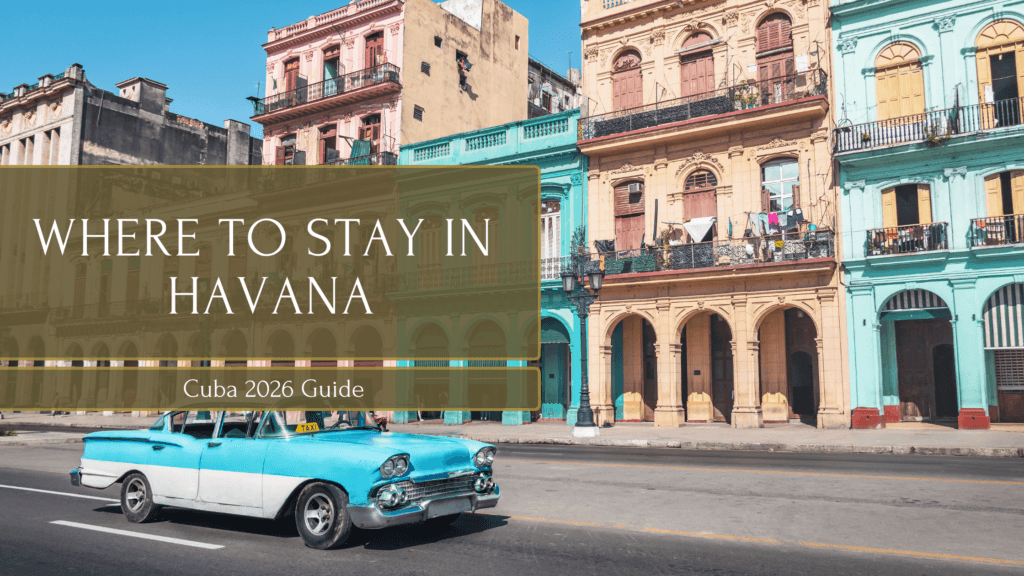
Where to Stay in Havana, Cuba (2026 Guide)
Havana spreads across 15 municipalities, each with a completely different character. First-time visitors often end up too far from the action or in areas that feel isolated after dark.
Choosing where to stay in Havana shapes your entire trip to Cuba. Stay in Old Havana and you’re steps from colonial architecture and live music. Pick Vedado and you’ll be near the Malecón seawall, nightlife, and local restaurants. This guide breaks down the best accommodation options in Havana so you can make the right call.
What to Expect in This Post
This guide to where to stay in Havana is built for quick scanning and real-world decisions. Here’s what you’ll get:
- A breakdown of Havana’s 5 most practical neighbourhoods for visitors
- Which areas work best for first-timers, couples, solo travelers, and families
- Safety and walkability notes for each area
- Where to find the best nightlife, food, and local culture
- Honest guidance on hotel in Havana vs casa particular stays
- Booking tips and what NOT to expect across Cuba’s capital
Where to Stay in Havana: Quick Overview
- Old Havana (Habana Vieja) – Colonial core with museums, plazas, and constant foot traffic
- Vedado – Residential vibe with theaters, the iconic Malecón, and nightlife
- Centro Habana – Dense, authentic, and budget-friendly but less polished
- Miramar – Upscale and quiet, popular with business travelers and families
- Plaza de la Revolución – Central but bland, mostly government buildings
Old Havana (Habana Vieja): Best Hotels in Havana's Historic Core
Best for: First-time visitors, history lovers, couples
Habana Vieja is the most tourist-friendly part of the city. You’ll stay within walking distance of Plaza Vieja, the Catedral, and dozens of museums. Streets are well-lit and patrolled, especially around major plazas.
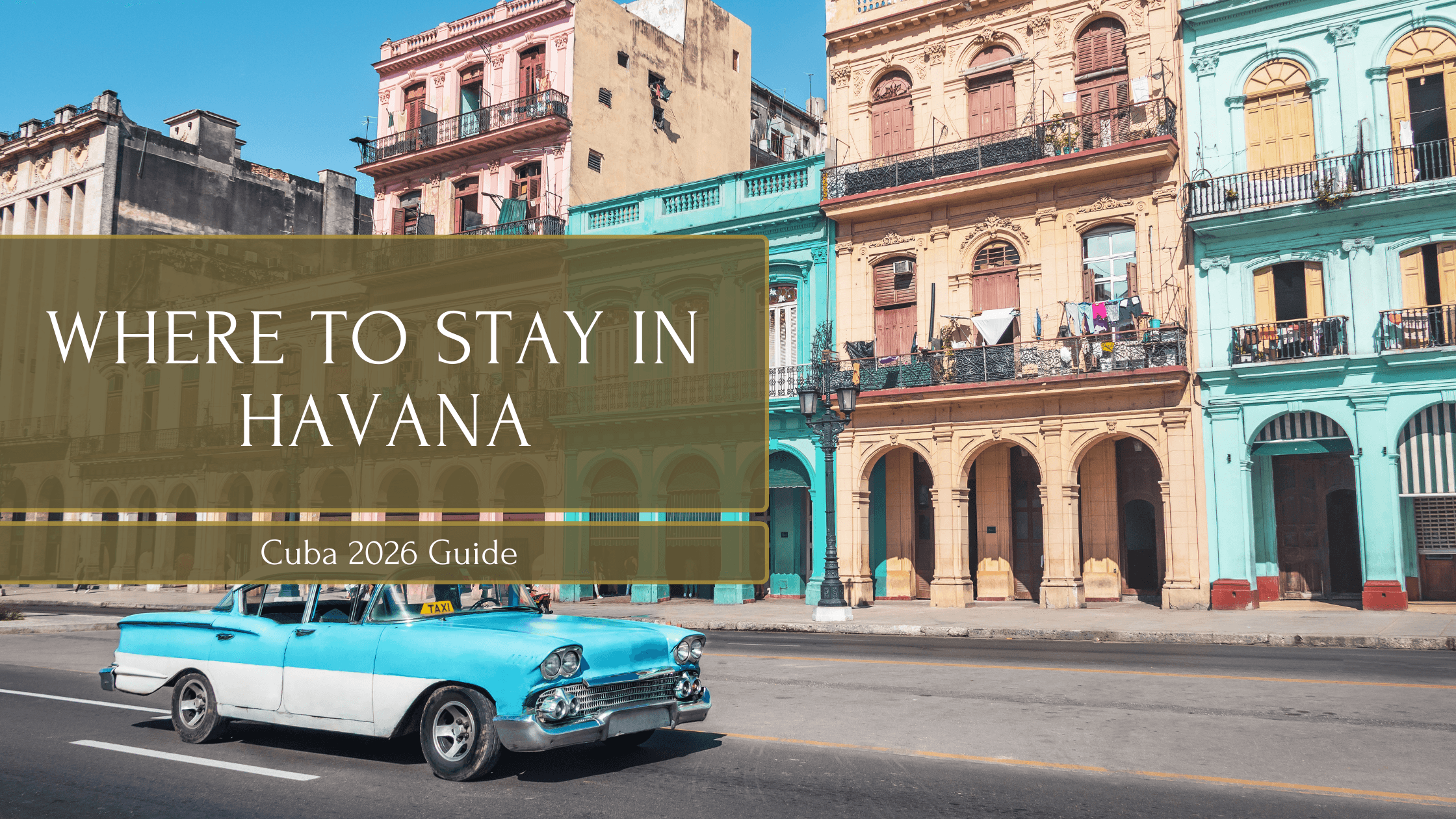
The architecture is stunning but crumbling. Expect cobblestones, noise from street performers, and occasional construction. Many restored colonial mansions now operate as boutique accommodation. Hotel Saratoga, located in Old Havana near the Capitolio, represents the luxury hotels category with its rooftop pool and spa.
This is the safest and most walkable area for newcomers. Everything you’ll want to see is either here or a short taxi ride away. Restaurants range from tourist traps to excellent paladares (privately owned restaurants). Nightlife centers on live music venues rather than clubs.
Popular streets like Calle Obispo connect Parque Central to the main plazas. Many casas particulares line these routes, offering better value than international hotel chains. You’re genuinely located in Old Havana’s best section when booking here.
Vedado: Hotel Nacional and La Habana's Cultural Heart
Best for: Solo travelers, budget-conscious visitors, nightlife seekers
The Vedado district feels like Havana’s business and cultural hub. The streets follow a grid system, making navigation easier than Old Havana’s maze. The Hotel Nacional de Cuba sits at the neighborhood’s edge, overlooking the Malecon—an iconic landmark worth visiting even if you stay elsewhere.
This neighbourhood is residential, so you’ll see more Cubans and fewer tour groups. Casas particulares are common and often cheaper than in Habana Vieja. Safety is generally good, though the Malecón can get sketchy late at night.
The area has authentic restaurants, jazz clubs, and the Tropicana cabaret nearby. Hotel Habana Libre and Gran Hotel Manzana Kempinski represent the higher-end options, while B&Bs and casa particulares fill the side streets. It’s a 10-minute taxi or 25-minute walk to Old Havana.
Vedado works well if you want a mix of tourist sites and everyday Cuban life. The neighbourhood puts you closer to local families and away from the constant hustle of Habana Vieja’s plazas.
Centro Habana: Budget Accommodation in Havana
Best for: Budget travelers, cultural immersion seekers
Centro sits between Old Havana and Vedado. It’s grittier, louder, and more crowded than either neighbor. Buildings show more decay, streets are narrower, and the vibe is purely local.
This area offers the cheapest accommodation options. You’ll stay close to major sites but without the premium pricing. The neighbourhood is safe during the day but less comfortable at night, especially for solo female travelers.
Few tourists stay here, which means authentic street food, local shops, and fewer people trying to sell you cigars. The Capitolio building marks the edge between Centro and Habana Vieja. If you’re comfortable with urban grit and want to save money, Centro works.
Expect to pay $25-40 per night for a casa here versus $40-70 in Old Havana. Air conditioning may be less reliable, but you’ll stay with a local family and get genuine Cuba travel experiences.
Miramar: Luxury Hotels and Family-Friendly Havana Hotels
Best for: Families, longer stays, business travelers
Miramar is La Habana’s wealthy suburb, located west of Vedado across the Almendares River. Wide avenues, manicured gardens, and embassy compounds define the area. It feels more like Miami than colonial Cuba.
You’ll find international hotels, upscale restaurants, and shopping centers here. The Gran Hotel Manzana Kempinski and Hotel Riviera represent the area’s boutique and luxury categories. The neighbourhood is extremely safe and quiet. According to the U.S. Department of State, Miramar is one of the safest areas for foreign visitors.
The major downside is distance. You’re 15-20 minutes by taxi from the city centre, and taxis can be hard to find late at night. Miramar makes sense if you’re traveling with kids, staying more than a week, or prioritizing comfort over immersion. The beach at Playa is nearby but not worth the trip compared to Varadero.
Many properties here have guest rooms with terraces, restaurants and bars on-site, and English-speaking front desk staff. You’ll spot vintage American cars parked outside these hotels—a gem for photography but less convenient for daily exploration.
Plaza de la Revolución: Skip This Neighbourhood
Best for: Almost no one
This neighbourhood surrounds the iconic Che Guevara mural and the Plaza itself. It’s mostly government ministries, monuments, and wide empty roads. Few hotels exist here, and fewer tourists stay.
The location is central on a map but dead in practice. There’s little to walk to, and the area clears out after office hours. Unless you have specific business in this district, skip it entirely when booking accommodation in Havana.
Best Neighbourhoods for First-Time Visitors
If this is your first time in Cuba’s capital, stick to these areas:
- Habana Vieja – You can walk everywhere, it’s safe, and you’re surrounded by what you came to see
- Vedado – Slightly less touristy but still convenient, with better restaurant options
- Miramar – Only if you’re traveling with family or need more comfort and space
Avoid Centro Habana and Plaza de la Revolución on your first visit cuba unless you’re on a tight budget or seeking an unforgettable immersion experience.
Best Area for Nightlife and Restaurants
Vedado wins for nightlife. The neighbourhood has jazz clubs like La Zorra y el Cuervo, the famous Tropicana cabaret show, and bars along the Malecon. The vibe is less staged than Old Havana’s tourist-oriented music venues.
Old Havana has plenty of live music, but it’s mostly son cubano bands in plazas and restaurants. Great atmosphere, less variety. If you want dancing, drinks, and a younger crowd, stay in Vedado.
The art-deco buildings and quirky cafes make the Vedado district feel more authentic. You’ll find restaurants and bars where actual Cubans eat, not just tourist-focused paladares.
Best Area for Food
For authentic Cuban food, Vedado has the best concentration of paladares. These privately owned restaurants serve better meals than state-run places. Lonely Planet’s Cuba guide consistently rates Vedado’s dining scene as the most diverse in the city.
Old Havana has more restaurants but higher tourist markup. You’ll find international cuisine and upscale dining in Miramar, though you’ll pay international prices. Centro has the cheapest street food and local spots.
Many accommodation options include breakfast, especially casas particulares. This saves money and guarantees at least one solid meal per day during your Cuba travel.
Best Area for Families
Miramar offers the most space, safety, and amenities for families. Hotels here often have pools, and the neighbourhood has parks and quieter streets. You’re farther from major sites, but taxis are affordable.
Old Havana can work for families with older kids who can handle cobblestones and crowds. Avoid Centro with children due to heavy traffic and less infrastructure.
Some casas in Vedado rent entire apartments, which work well for families needing multiple rooms and kitchen access. These function similarly to Airbnb but are locally regulated.
Hotel in Havana vs Casa Particular: What's Better?
Casa particulares are Cuba’s version of Airbnb, though many existed long before the app. They’re privately owned homes renting rooms, and they’re everywhere across Cuba’s capital.
Hotels offer more consistency, air conditioning that actually works, and staff who speak English. The best hotels in Havana include the Hotel Nacional, Hotel Saratoga, and properties like the Gran Hotel Manzana Kempinski. Expect to pay $100-300+ per night for these.
Casa particulares cost less, include breakfast, and give you access to local knowledge. The owners often arrange taxis and recommend restaurants that aren’t in guidebooks. You’re essentially choosing to stay with a local family. Prices run $30-70 per night depending on location and quality.
If you want immersion and value, book a casa particular. If you want reliability and don’t mind paying more, choose a hotel. Many travelers split the difference: a hotel for the first night while you adjust, then a casa after you get your bearings.
Booking casa particulares works through platforms that verify licenses, or you can book directly through accommodation websites. Special offers sometimes appear during low season (May–November).
Airbnb vs Traditional Booking in Cuba
Airbnb operates in Cuba, but availability is limited compared to traditional casa particular booking. Many Cuban hosts list on both Airbnb and local platforms to reach more travelers.
The advantage of Airbnb is familiar interface and payment processing. The downside is higher service fees and fewer options than booking direct. Some of the best B&Bs and casas never list on Airbnb.
For cuba accommodation, consider booking your first night through Airbnb for security, then asking your host to recommend other casas for the rest of your trip. This gets you better rates and more authentic experiences.
Where NOT to Stay in Havana
Avoid booking accommodation in areas far from the city centre unless you have a specific reason. Neighborhoods like Regla and Guanabacoa are residential and lack tourist infrastructure. You’ll waste time and money on taxis.
Skip anywhere marketed as “near the airport.” Havana’s airport is 15 kilometers from the city, and nothing around it is walkable or interesting. The same goes for industrial zones near the port.
Be cautious about casa particulares with suspiciously low prices far from main neighbourhoods. Some are legitimate, but you may end up in an area with no restaurants, terrible transport links, and safety concerns after dark.
If booking Airbnbs, verify the property is actually in Habana Vieja, Vedado, or Miramar. Some listings claim “Old Havana” but are actually in Centro or farther out.
Key Takeaways
- Old Havana offers the safest, most convenient base for first-time visitors with a short walk to major attractions
- Vedado provides better nightlife, restaurants, and a more local feel at slightly lower prices
- Centro Habana works for budget travelers comfortable with grittier surroundings
- Miramar suits families and longer stays but requires taxis to reach major sites
- Casa particulares provide better value and cultural immersion than hotels
- The best hotels in Havana include Hotel Nacional, Hotel Saratoga, and Gran Hotel Manzana Kempinski
- Book accommodation in advance during peak season (December–April)
FAQ
Is it safe to stay in Old Havana?
Yes, Habana Vieja is the safest area for tourists in the city. The neighbourhood has regular police presence, well-lit streets, and consistent foot traffic. Petty theft can happen, but violent crime against tourists is rare.
How much should I expect to pay for a hotel in Havana?
Casas particulares typically cost $30-60 per night for a private room with breakfast. Hotels range from $80-200+ depending on location and amenities. According to Budget Your Trip, mid-range travellers spend an average of $60-100 per night on accommodation in Havana.
Can I walk between Old Havana and Vedado?
Yes, the walk takes about 25-30 minutes along the Malecón seawall. It’s scenic during the day but poorly lit at night. Many visitors walk one direction during daylight and take a taxi back. Official taxis cost $5-8 for this route.
Do I need to book accommodation before arriving in Cuba?
Yes, especially during high season (December through April). Many casa particulares and hotels fill up weeks in advance. Having a confirmed booking also simplifies your customs declaration upon arrival and ensures you have a confirmed address.
What's the difference between a casa particular and a hotel?
Casa particulares are licensed private homes that rent rooms. They’re cheaper, include breakfast, and offer personal service from a local family. Hotels have more amenities like pools and restaurants but cost more and feel less personal. Both are legal and regulated across Cuba.
Are Airbnbs available for rent in Havana?
Some casas particulares rent entire apartments through Airbnb and other platforms, especially in Vedado. These work well for families or longer stays. Book through official channels to ensure the accommodation is properly licensed and avoid issues.
Is Miramar too far from the main attractions?
Miramar is 4-5 kilometers from Old Havana, which takes 15-20 minutes by taxi. It’s manageable if you don’t mind taking taxis daily. The neighbourhood itself has few tourist attractions, so you’ll depend on transport to see the city’s main sites.