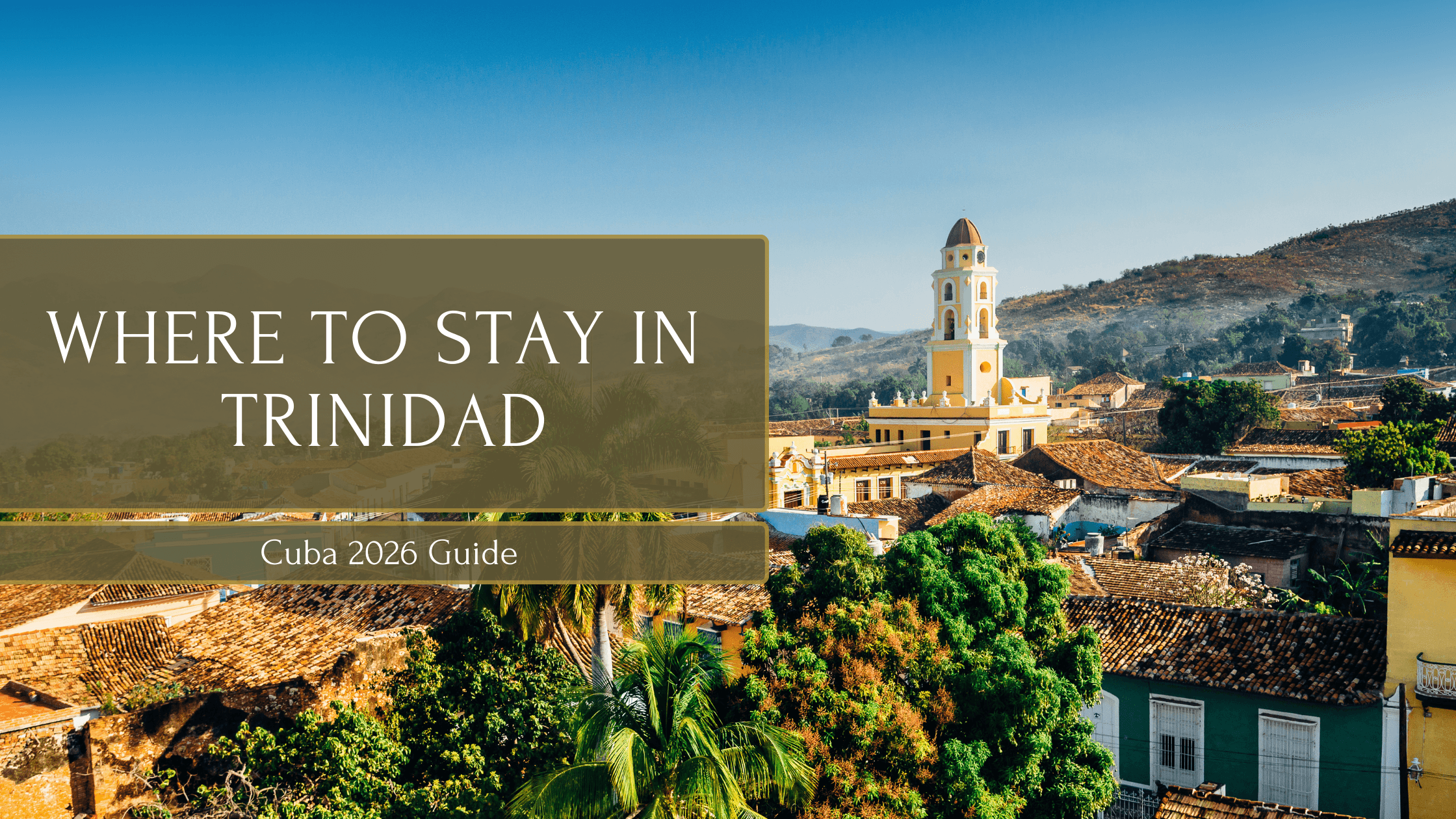
Where to Stay in Trinidad, Cuba (2026 Guide)
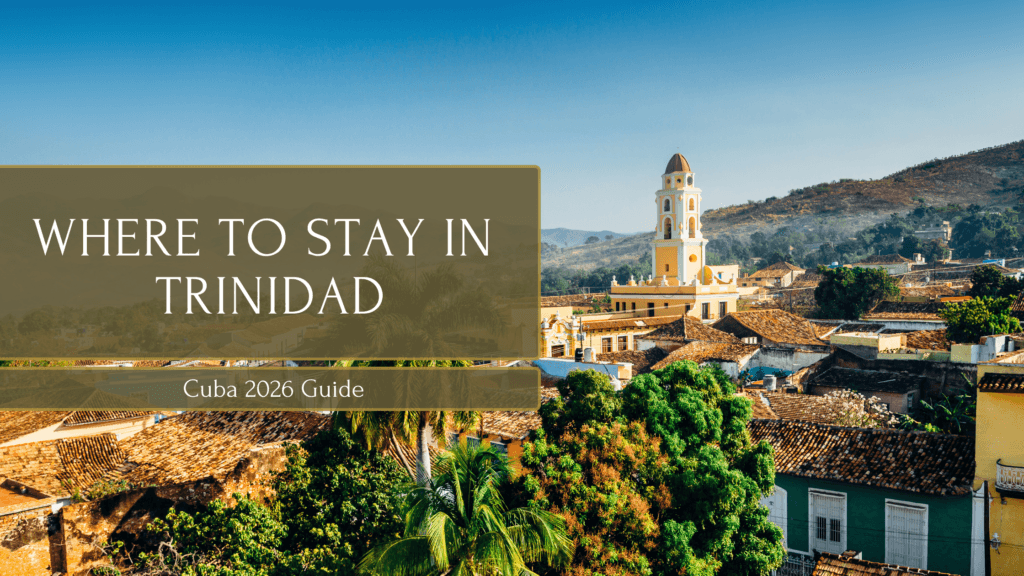
Where to Stay in Trinidad, Cuba (2026 Guide)
Trinidad isn’t just another colonial town—it’s a UNESCO World Heritage Site where cobblestone streets and pastel buildings transport you to the 16th century.
But here’s the thing: where you stay in Trinidad matters. Choose the wrong neighborhood, and you’ll deal with late-night noise from the Plaza Mayor. Pick the right place to stay, and you’ll enjoy authentic Cuban life, easy beach access, and proximity to everything worth seeing.
This guide breaks down the best places to stay in Trinidad based on what actually matters: walkability, safety, proximity to beaches, and value.
What to Expect in This Post
This guide to where to stay is built for quick scanning and real-world decisions. Here’s what you’ll get:
- Quick overview of Trinidad’s main neighborhoods and their vibes
- Detailed breakdowns of the 5 best accommodation options, with pros and cons
- Honest takes on which neighborhoods work for first-time visitors
- Guidance on choosing between casas particulares (homestays) and hotels
- Clear recommendations for families, nightlife seekers, and beach lovers
- Areas to avoid if you want quiet nights and convenience
Where to Stay in Trinidad: Quick Overview
- Historic Center – Colorful colonial architecture, walkable to everything, lively atmosphere, can be noisy at night
- Around Plaza Mayor – Heart of tourist action, live music, museums, crowded and loud after dark
- Residential Areas (Near Parque Céspedes) – Quieter lodge-style casas, still close to center, more local feel
- Playa Ancón Peninsula – Beach resort hotels, all-inclusive properties, 15 minutes from town
- La Boca/Casilda – Fishing villages on the coast, closer to the beach, fewer tourists, limited dining options
Historic Center: Best Accommodation for First-Time Visitors
Best for: First-time visitors, couples, history buffs
The Historic Center is where most travelers base themselves—and for good reason.
According to UNESCO, Trinidad’s colonial architecture has remained remarkably preserved since the 16th century. You’re surrounded by pastel-colored buildings, cobblestone streets, and grand colonial mansions that once belonged to sugar plantation owners.
Everything’s walkable. Plaza Mayor is minutes away. Museums, restaurants, and guest houses are everywhere.
The downtown area offers a wide variety of accommodation options—from simple accommodation in family-run casas to boutique properties with rooftop terraces and stunning views of the valley below.
The downside? Noise. Especially near Casa de la Música, where live music plays until late. If you’re a light sleeper, request a room a few blocks away from the main square.
Who stays here: This is the best area for first-time visitors who want easy access to sights without needing transportation. It’s conveniently located for exploring Trinidad’s charm on foot.
Around Plaza Mayor: Best Hotel Zone for Nightlife
Best for: Nightlife seekers, music lovers, carnival enthusiasts
Plaza Mayor is Trinidad’s main square—and the center of tourist activity.
This is where you’ll find the Church of the Holy Trinity, the Museo Romántico, and countless bars with live salsa music. At night, the square transforms into an outdoor party with street performers, cocktails, and locals dancing.
It’s lively. Maybe too lively. According to reviews on TripAdvisor, many travelers report noise issues if staying directly on the square.
If you want to be in the thick of things, this is your spot. But if you value sleep, stay a few blocks away and walk in.
Safety note: The area around Plaza Mayor is heavily patrolled and generally safe. Just keep an eye on your belongings in crowded areas—pickpocketing can happen.
The best hotels in Trinidad cluster around this zone, including the upscale Iberostar Grand Trinidad, though guest houses still dominate the accommodation landscape.
Residential Areas: Best Places Near Parque Céspedes
Best for: Solo travelers, couples seeking quieter stays, budget-conscious guests
A 5–10 minute walk from Plaza Mayor puts you in residential neighborhoods where casas particulares dominate.
These areas offer the same colonial charm with less tourist bustle. You’ll still have easy access to restaurants and sights, but you can actually sleep at night.
Many travelers prefer this zone because it feels more authentic. You’re staying with Cuban families, eating breakfast on rooftop terraces, and experiencing daily life without the crowds.
Casas particulares here typically run $20–35 per night for a double room with private bathroom and air conditioning. Some include breakfast for an extra $5–8.
This is simple accommodation at its best—clean, comfortable, and genuinely Cuban. Properties here often fill up fast during peak season, so book well in advance if planning a trip between November and April.
Walkability: Excellent. Everything in Trinidad is close, and these neighborhoods are no exception.
Playa Ancón: Best Beach Resort and Hotel Options
Best for: Beach lovers, families, all-inclusive seekers, holiday relaxation
Playa Ancón is one of Cuba’s best beaches—white sand, turquoise water, and coral reefs just offshore.
It’s about 15 minutes by taxi from Trinidad’s Historic Center on the north coast peninsula, which means you can split your time between beach relaxation and colonial sightseeing.
Three main all-inclusive resort properties operate here: Memories Trinidad Del Mar, Hotel Club Amigo Ancón, and Meliá Trinidad Península. They offer standard resort amenities: pools, beach access, buffets, and water sports including sailing and surf lessons.
The Caribbean coast here is pristine. The island vibe is more relaxed than downtown Trinidad. It’s a true tropical oasis for visitors seeking sun and sand.
The tradeoff? You’re isolated from Trinidad’s culture and nightlife. Restaurant options outside the resorts are limited. You’ll need taxis to get anywhere.
Best for families: The all-inclusive setup simplifies logistics, especially with kids. You get predictable meals, safe beaches, and organized activities. Some properties include spa facilities and waterfront views.
La Boca and Casilda: Simple Accommodation on the Coast
Best for: Budget travelers, off-the-beaten-path types, fishing enthusiasts
These small fishing villages sit between Trinidad and Playa Ancón along the coast.
La Boca and Casilda offer a different vibe—fewer tourists, local seafood restaurants serving fresh Caribbean cuisine, and more direct beach access than staying in town. You’ll find casas particulares here for $15–25 per night.
This is rustic, simple accommodation for travelers who value authenticity over luxury. The coastal setting provides stunning views without the resort price tag.
The downside? Limited infrastructure. Fewer dining options. You’ll need transportation to reach Trinidad’s Historic Center or Playa Ancón.
Who this works for: Travelers with rental vehicles or those who prefer quiet, seaside lodge-style accommodations over being in the middle of tourist activity.
Best Neighborhoods for First-Time Visitors
If this is your first trip to Trinidad, stick to these areas:
- Historic Center (but not directly on Plaza Mayor) – Walking distance to everything, authentic architecture, manageable noise levels
- Residential areas near Parque Céspedes – Quieter, still central, better value, best places for authentic stays
- Playa Ancón – Only if beach time is your holiday priority and you’re okay being 15 minutes from town
Trinidad is compact. You don’t need to overthink location—most neighborhoods work well for visitors.
The key is avoiding the immediate Plaza Mayor area if you want sleep, and avoiding La Boca/Casilda unless you have transportation.
Best Area for Nightlife and Caribbean Cuisine
Nightlife: Plaza Mayor and the Historic Center dominate.
Casa de la Música is the main nightlife hub, with live salsa, son, and trova performances nightly. Disco Ayala, located in a cave, draws crowds but reviews are mixed—it’s more of a novelty than a must-do.
The lively atmosphere peaks during carnival season (February-March), when Trinidad becomes one of Cuba’s best destinations for street parties and traditional Creole music.
Food: Trinidad’s restaurant scene is spread throughout the Historic Center.
Paladares (privately-owned restaurants) offer better food than state-run spots. Try Sol Ananda for rooftop dining or Taberna La Botija for traditional Cuban dishes with Caribbean and Spanish fusion influences.
Most restaurants cluster within a 10-minute walk of Plaza Mayor, so staying in the Historic Center keeps you close to the best dining and cuisine options.
Best Area for Families and Nature Tours
Playa Ancón wins for families prioritizing beach time and resort amenities.
All-inclusive hotels simplify meal planning, beach access is direct, and kids can run around without navigating cobblestone streets.
However, if your family values culture over beach time, the Historic Center works too. Trinidad is generally safe, walkable, and full of visual interest that keeps kids engaged.
For nature-focused families: Consider accommodations that offer tour access to nearby attractions. The Valle de los Ingenios provides hike opportunities through sugar plantation ruins. Though Trinidad lacks the wildlife diversity of other Caribbean destinations like Tobago’s Asa Wright Nature Centre or opportunities to see leatherback turtles like on Trinidad and Tobago’s northeast coast, the surrounding mountains offer trail access and tropical scenery.
Day trips to destinations like Topes de Collantes provide waterfall hikes and mountain lodge experiences, though these are better suited as excursions rather than accommodation bases.
Hotel vs Casa Particular: Finding the Best Accommodation
Trinidad isn’t a traditional hotel town.
Most accommodation options are casas particulares—privately-owned guest houses where Cuban families rent out rooms. According to Wikipedia, the Cuban government legalized this model in 1997, providing families with income and travelers with authentic, affordable lodging.
Casas particulares offer:
- Better value ($20–35/night vs $80+ for hotels)
- Home-cooked breakfasts
- Local recommendations from hosts
- More authentic experiences with Cuban families
Hotels offer:
- More predictable standards
- In-house restaurants and bars
- Concierge services for tours and rental arrangements
- Less interaction (if you prefer privacy)
- Occasional spa and luxury amenities
For most travelers, casas particulares are the better choice in Trinidad. The experience is more personal, the value is unbeatable, and you’re supporting local families directly. They’re the best places to find the best of Cuban hospitality.
Hotels like Iberostar Grand Trinidad exist for those who want upscale amenities, but they’re the exception, not the rule. Even high-end properties like boutique inns provide a guest house feel rather than large resort anonymity.
Exception: If you’re staying at Playa Ancón, all-inclusive resort hotels make more sense than casas, given the beach-focused setup and island destination vibe.
Where NOT to Stay in Trinidad
Directly on Plaza Mayor: Unless you love late-night noise, avoid accommodation right on the square. The music doesn’t stop until well after midnight, especially during carnival and peak tourism months.
Far eastern neighborhoods: Some casas sit uphill, east of Plaza Mayor, near Disco Ayala. According to traveler reports on MEL365, this area has become noisier in recent years due to new bars and clubs. It’s less convenient and louder than the main Historic Center.
Unregistered casas: Always book casas with the official blue triangle symbol on the door. These are licensed and taxed. Unlicensed properties can lead to complications.
Trinidad itself is safe. According to the U.S. State Department, Cuba has a Level 2 Travel Advisory (Exercise Increased Caution), similar to other Caribbean destinations. Violent crime against tourists is rare.
Petty theft happens—watch your belongings in crowded areas—but Trinidad is generally one of the safer Cuban cities for visitors.
Note for international visitors: Trinidad, Cuba should not be confused with Trinidad and Tobago, the twin-island nation in the southern Caribbean near Port of Spain. While both destinations offer tropical Caribbean experiences, they’re entirely different countries with different accommodation styles, tourism infrastructure, and travel requirements.
Key Takeaways
- Historic Center offers the best accommodation for first-time visitors—walkable, authentic, close to everything, just avoid Plaza Mayor itself at night
- Casas particulares provide better value and unforgettable experiences than hotels in Trinidad proper
- Playa Ancón is ideal for beach-focused holidays, but you’ll sacrifice cultural immersion and downtown convenience
- Avoid staying directly on Plaza Mayor unless you’re a heavy sleeper or love the lively nightlife scene
- La Boca and Casilda work only if you have transportation or prefer seaside lodge isolation
- Trinidad is generally safe for visitors, but stay alert for petty theft in crowded tourist areas
- Book well in advance during peak season (November-April) as the best places fill up fast
- Don’t confuse Trinidad, Cuba with Trinidad and Tobago—they’re different destinations with distinct accommodation options
FAQ
Is Trinidad, Cuba safe for tourists?
Yes. Trinidad is one of Cuba’s safest cities. According to reports from travelers and the U.S. State Department, violent crime is rare, though petty theft can occur in crowded areas. Stay alert, secure your belongings, and stick to well-lit areas at night.
How far is Playa Ancón from Trinidad's Historic Center?
About 12 kilometers (7.5 miles), or 15 minutes by taxi. A one-way taxi ride typically costs $5–10 CUC (Cuban Convertible Peso), though always confirm the price before getting in. Some resort properties offer shuttle services.
What is a casa particular, and should I stay in one?
A casa particular is a licensed private guest house where Cuban families rent rooms to tourists. They typically include private bathrooms, air conditioning, and optional breakfasts. They’re cheaper, more authentic, and offer better value than most hotels in Trinidad. They’re among the best accommodation options for experiencing local culture.
Can I walk everywhere in Trinidad?
Yes. Trinidad’s Historic Center is compact and entirely walkable. From the center to Parque Céspedes takes 5–10 minutes on foot. Only beach trips or visits to surrounding areas require transportation.
What's the best time to visit Trinidad?
November through April is peak season—dry weather, comfortable temperatures, but more crowds and higher prices. May through October is hurricane season with fewer tourists and lower prices, though afternoon showers are common. Book your accommodation well in advance if planning a trip during peak months or carnival season.
Do I need to book accommodation in advance?
During peak season (November–April), yes. Trinidad is a popular destination, and the best hotels in Trinidad and top-rated casas fill up quickly. Outside peak season, you can often find rooms on arrival, but booking ahead is safer, especially for luxury or waterfront properties.
Is there Wi-Fi in Trinidad?
Limited. Some casas and hotels offer Wi-Fi, though it’s often slow or charged separately. Cuba’s internet infrastructure is improving, but don’t expect reliable connectivity everywhere. Most accommodation options will have some form of access, though resort properties typically have better connections than simple accommodation in residential areas.