
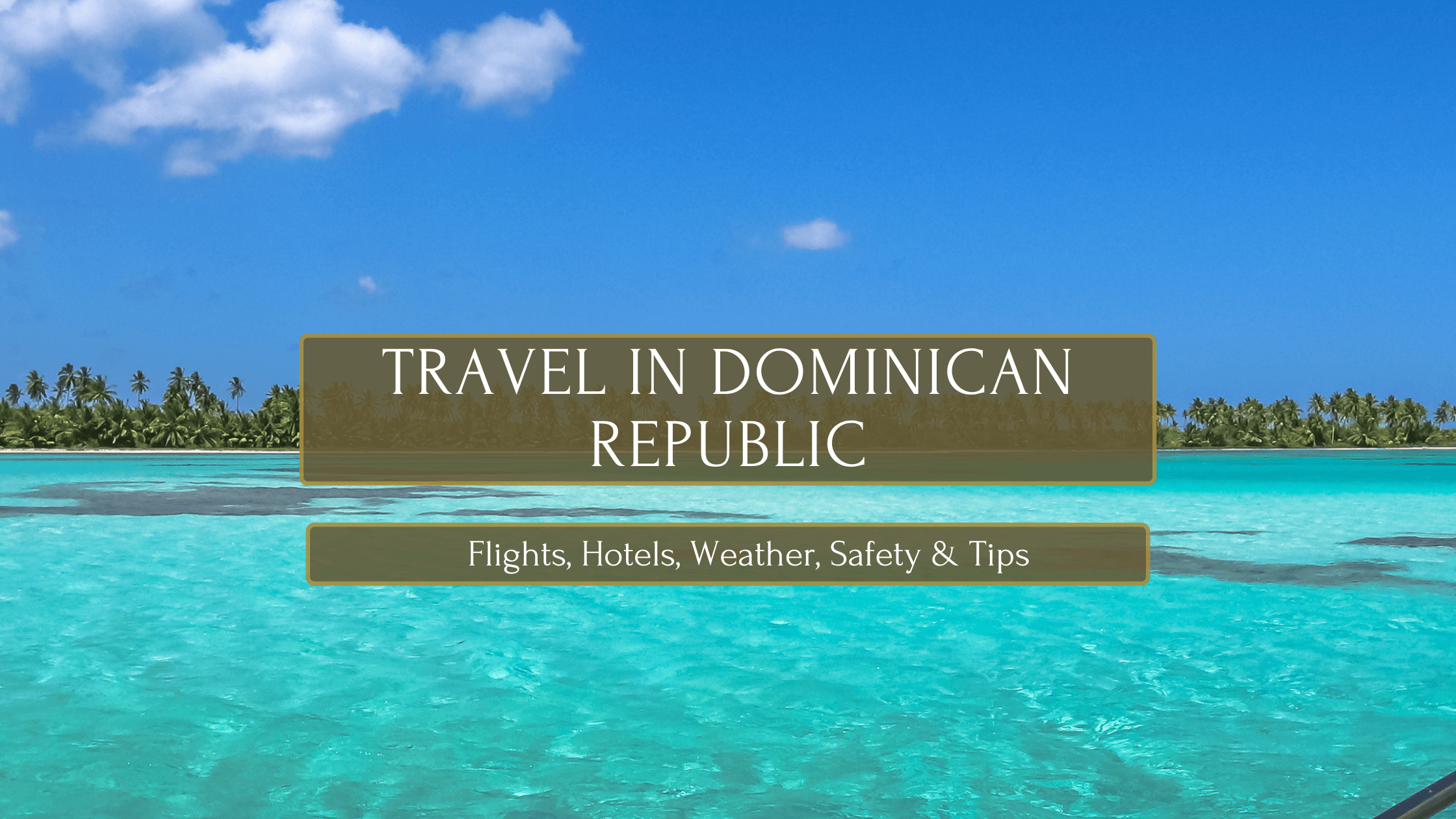
Travel in Dominican Republic: Complete Travel Guide for International Travel
Flights, Hotels, Weather, Safety & Tips
The Dominican Republic has become one of the Caribbean’s most accessible destinations for independent travellers seeking sun, culture, and adventure. As the most visited island in the Caribbean, it attracts everyone from all-inclusive resort visitors to digital nomads and families exploring Latin America.
Whether drawn to pristine beaches near Punta Cana, mountain adventures, colonial architecture in Santo Domingo, or world-class diving, the Dominican Republic offers diverse Caribbean experiences across a compact island. You can swim in turquoise lagoons, hike lush forests, explore centuries-old cities, and engage with warm local communities—often without the expense of more remote Caribbean destinations.
This travel guide works for independent travellers planning their own itineraries, families wanting an all-ages destination, digital nomads seeking a stable base, and budget-conscious explorers. The Dominican Republic is particularly appealing because quality accommodation and meals remain reasonably priced, allowing extended travel on moderate budgets.
Quick Facts About Dominican Republic
Capital: Santo Domingo
Currency: Dominican Peso (DOP); US dollars widely accepted throughout the country
Language(s): Spanish (English increasingly spoken in tourist destinations)
Time Zone: Atlantic Standard Time (AST), UTC-4; no daylight saving time
Visa & Travel Documents Overview: Most travellers from the US, EU, Canada, and Australia receive a tourist card valid for 30 days upon entry and exit. Some nationalities enjoy 90 days. Your passport must be valid for your entire stay. Check with your embassy or consulate weeks before your trip to confirm entry and exit requirements for your nationality.
Plug Type: Type A (two-pin) and Type B (three-pin), same as the US
Typical Budget Range: Budget travellers manage $40–70 daily; mid-range spend $100–200; luxury varies by location
Flights to Dominican Republic
The Dominican Republic is well-served by international flights. Las Américas International Airport near Santo Domingo receives significant traffic, while Punta Cana International Airport handles the highest passenger volume. Santiago de los Caballeros Airport serves northern regions. Direct flights from major US cities (New York, Miami, Boston, Chicago) typically take 3–4 hours. European routes usually involve one connection through US hubs, though some direct flights from Madrid operate seasonally.
Flight prices fluctuate significantly. The cheapest fares typically occur during September through November (hurricane season) and early December before peak winter travel. Prices rise sharply from mid-December through March. For the best deals, set fare alerts several months ahead and remain flexible with travel dates. Consider mid-week travel rather than Friday–Sunday, and book airline tickets well in advance during peak season.
Hotels in Dominican Republic
The Dominican Republic offers accommodation across every budget. All-inclusive resorts concentrate along coasts, particularly around Punta Cana and Puerto Plata, offering convenience for families. Independent hotels, boutique properties, and vacation rentals scatter throughout, with concentrations in Santo Domingo, Cabarete, and Las Terrenas.
Budget travellers find hostels with dorm beds ($15–30) and private rooms ($40–70 nightly). Mid-range options cost $80–150 per night. Families often favour all-inclusive resorts for simplicity, though boutique hotels offer authentic Caribbean experiences at comparable prices. Digital nomads choose Las Terrenas, Santo Domingo, or Cabarete for reliable connectivity and remote worker communities.
Weather & Best Time to Visit Dominican Republic
The Dominican Republic remains tropical and warm year-round, with temperatures between 75–88°F. The dry season runs November through March, delivering sunny skies and perfect beach conditions. This period, particularly December through February, represents peak travel season with premium prices and crowds. November and March offer shoulder-season benefits: excellent weather with fewer travellers and lower costs.
The wet season spans May through October, when afternoon showers occur frequently but briefly. Hurricane season officially runs June through November, with peak activity September through October. While major hurricanes strike the Dominican Republic less frequently than other Caribbean destinations, the risk exists. Many facilities offer travel insurance options or refund policies during this period.
April and early May are overlooked transition months offering warm weather and reduced crowds. Families benefit from avoiding North American school holidays to escape tourist surges and inflated prices. For outdoor activities, hiking, and water sports, November through April provides the most comfortable conditions.
Travel Insurance & Health Considerations
Travel insurance providing medical evacuation coverage is strongly recommended. While private hospitals and clinics exist in Santo Domingo and tourist destinations, facilities in remote areas may be limited. Weeks before your trip, visit a travel health clinic to discuss vaccinations and preventative measures. Malaria risk exists in certain areas; consult your embassy or consulate about current recommendations. Proof of vaccination is required for entry from certain countries.
Avoid contact with animals, particularly strays, which may carry rabies. If bitten or scratched, seek immediate medical attention. Do not consume raw or undercooked food and water. Travel health precautions reduce health risks significantly.
Entry and Exit Requirements For Dominican Republic
Your passport must be valid throughout your stay. Most travellers receive a tourist card valid 30 days; some nationalities receive 90 days. Entry and exit requirements vary by nationality—check with your embassy weeks before departure. Dominican authorities require travellers to complete entry or exit documentation at ports of entry.
Do not attempt to enter or exit through unofficial border crossings, particularly near the Haitian border. The border with Haiti remains heavily monitored. Violating entry and exit requirements or Dominican law can result in detained status, fines, or long jail sentences. If arrested or detained, contact your embassy or consulate immediately.
Is Dominican Republic Safe for Travellers?
The Dominican Republic is generally safe for travellers exercising standard caution. Most visitors pass through without incident, particularly in established tourist destinations. Monitor local media for current conditions throughout the country.
Common Concerns & Safety Advice:
Petty theft targets unattended bags and other valuables on beaches and in crowded areas. Avoid displaying cash or expensive jewellery. Do not leave food or drinks unattended. Use registered taxis or ride-sharing apps rather than hailing cabs on streets. Avoid contact with anyone offering unofficial tour services near the border with Haiti. Local authorities and tourist police maintain visible presence in tourism areas.
Violent crime exists but rarely targets tourists. Criminals may even reach into vehicles stopped at red lights to steal. Avoid stopping at red lights in certain areas—drive through safely if no traffic approaches. Drive defensively; Dominican driving customs differ significantly from North American standards. Avoid driving at night. Rent from established car rental companies and inspect vehicles thoroughly.
Street crime concentrates in specific neighbourhoods and timeframes. Your accommodation provider can advise areas to avoid throughout the country. Stay aware of surroundings in markets and crowded areas. Travel advice recommends staying in well-lit, populated zones, particularly after dark.
Santo Domingo’s colonial district, Punta Cana, Puerto Plata, and Cabarete rank among the safest tourism areas. Most travel insurance providers cover the Dominican Republic without restrictions. Convicted offenders can expect severe penalties for drug-related offences—long prison sentences apply to trafficking. Same-sex relationships are legal in the Dominican Republic, though discretion is advised in conservative areas.
Tropical Storms & Natural Disasters
Hurricane season (June–November) brings tropical storms and hurricanes, with peak activity September through October. Heavy rain and flooding can occur. Natural disasters may restrict travel to affected areas. Monitor local media for weather updates. Tropical storms and hurricanes can damage infrastructure, affecting accommodation and transportation. Travel insurance covering natural disasters is essential during hurricane season.
Who Dominican Republic Is Best For
Families: The Dominican Republic suits families well, offering all-inclusive resorts with kids’ clubs, water-based activities (snorkelling, swimming, boat tours), eco-parks with zip-lining, and multiple beaches for children. The short flight time from North America and relatively affordable pricing make family budgets manageable throughout the country.
Backpackers: Independent, budget-conscious travellers gravitate to the north coast—Cabarete for its social hostels and water sports, and Las Terrenas for boho vibes and community atmosphere. The Dominican Republic supports extended travel on modest budgets without sacrificing experience quality.
Digital Nomads: Growing digital nomad communities inhabit Las Terrenas, Santo Domingo, and Cabarete, each offering reliable WiFi, co-working spaces, affordable apartments, and networks of remote workers. Low cost of living and stable infrastructure appeal strongly to location-independent professionals.
First-Time Caribbean Travellers: The Dominican Republic eases newcomers into Caribbean travel. English is increasingly understood in tourist destinations, infrastructure is developed, and travellers experience Caribbean culture with familiar currency and safety nets.
Planning Your Trip to Dominican Republic
Most travellers spend 5–7 days exploring the Dominican Republic, allowing time for beach areas, cultural exploration, and relaxation. Typical routes combine beach time with cultural visits: Punta Cana to the Samaná Peninsula (3–4 hours) incorporating whale watching, or the north coast circuit connecting Puerto Plata, Sosúa, and Cabarete within an hour’s drive.
Santo Domingo deserves 1–2 days for colonial architecture and dining. Mountain areas near Jarabacoa attract hikers seeking cooler temperatures and coffee plantations. The Caribbean coast near Bocaína provides diving and national parks.
Local Transportation:
Publicos (shared minibuses) cost pennies and serve as authentic cultural experiences, though they depart only when full. Rental cars suit independent travellers comfortable with different driving standards. Avoid driving at night. Domestic flights efficiently connect distant regions. Scooters or bicycles work for short distances in flat beach towns but present safety risks in traffic.
Connectivity:
Local SIM cards offer affordable data and calling plans. WiFi is standard in hotels, restaurants, and cafes in tourist destinations, though speeds vary in remote areas.
Frequently Asked Questions: Travel in Dominican Republic
Is it safe to travel to the Dominican Republic right now?
Yes, the Dominican Republic remains safe for travellers who exercise standard precautions. Most visitors experience no incidents, particularly in established tourist destinations like Punta Cana, Santo Domingo, and Cabarete. Monitor local media for current conditions throughout the country, avoid carrying large amounts of cash, use registered taxis, and stay aware of surroundings in crowded areas. Petty theft and opportunistic crime exist but rarely target tourists directly. The Dominican Republic has a strong tourist police presence and welcomes millions of international visitors annually.
Is $100 USD a lot in the Dominican Republic?
Yes, $100 USD provides significant purchasing power. Budget travellers can cover meals, basic accommodation, and activities for 1–2 days on this amount. A meal at a local restaurant costs $5–12, while mid-range dinners run $15–25. Beach activities, zip-lining, and guided tours range $30–80 per person. Budget hotel rooms cost $40–70 nightly; mid-range options $80–120. Transportation via publicos costs just dollars for longer routes. For budget travellers, $100 daily comfortably covers accommodation, meals, and entertainment. Mid-range travellers spending $150–200 enjoy greater comfort and more activities without financial stress.
How much is $1 USD in Dominican Republic money?
One US dollar equals approximately 58–60 Dominican Pesos (DOP), though exchange rates fluctuate daily. US dollars are widely accepted throughout the country in tourist destinations, restaurants, hotels, and shops. However, you’ll often receive change in Dominican Pesos at less favourable rates than official exchange rates. To optimize currency exchange, withdraw Dominican Pesos from ATMs using your debit card, which typically offer the best rates. Avoid exchanging large sums at airport counters, which charge premium fees. Credit cards work in major establishments throughout tourist destinations, though small vendors and publicos require cash. Carry a mix of small USD bills and Dominican Pesos for flexibility.
What is the safest vacation spot in the Dominican Republic?
Punta Cana consistently ranks as the safest vacation destination in the Dominican Republic, with heavy police and tourist police presence, established infrastructure, and well-developed all-inclusive resort zones. Santo Domingo’s colonial district, despite being the capital, offers excellent safety in tourist areas with good lighting, restaurant density, and visible security. Cabarete on the north coast maintains a strong expat and digital nomad community with good nightlife safety standards. Puerto Plata and Sosúa also rank highly for tourist safety. These areas offer established tourism infrastructure, numerous accommodation options, reliable restaurants, and communities accustomed to international visitors. Avoid areas near the border with Haiti and rural regions far from tourist destinations. Always check current travel advice from your embassy weeks before your trip.
What are the current travel warnings for the Dominican Republic?
Most governments maintain standard travel advisories for the Dominican Republic, not blanket warnings against travel. Common advisories include caution regarding violent crime (which concentrates in non-tourist areas), driving hazards due to aggressive driving customs and poor road conditions, and natural disasters during hurricane season (June–November). Certain neighbourhoods in Santo Domingo warrant avoidance after dark. Check your embassy or consulate website for the most current travel advice specific to your nationality. Travel insurance providing medical evacuation coverage is recommended, particularly during hurricane season. Entry and exit requirements vary by nationality—confirm your passport validity and visa requirements weeks before departure. Monitor local media throughout your stay for weather updates and local conditions.