
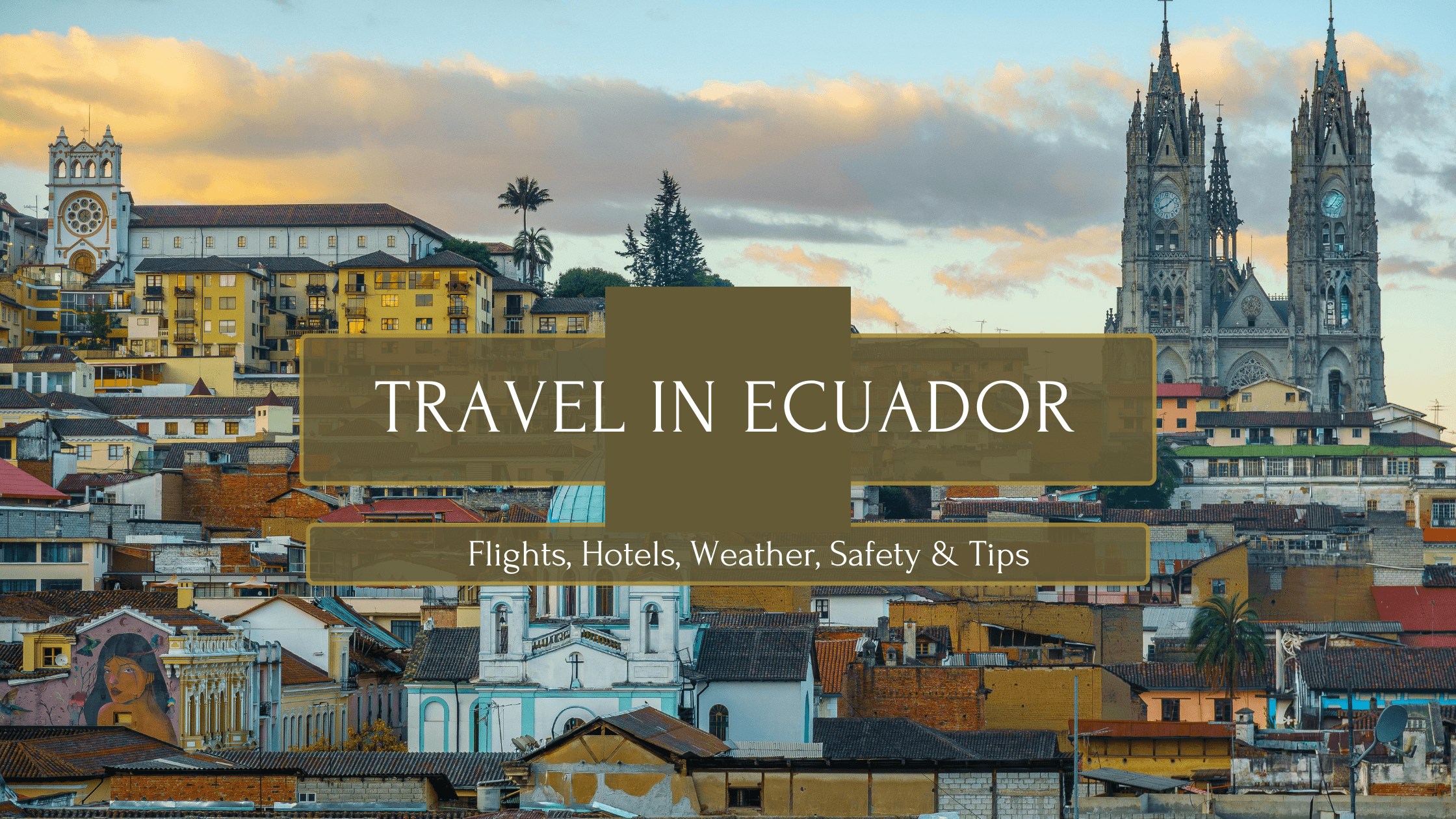
Travel in Ecuador
Flights, Hotels, Weather, Safety & Tips
Ecuador is one of Latin America’s most compelling destinations for independent travellers. From the Amazon rainforest to the Galápagos Islands, from the Andean spine dotted with active volcano peaks to Pacific beaches, Ecuador packs extraordinary experiences into a relatively compact area. The country’s name itself—meaning “equator” in Spanish—hints at its geographic significance and biodiverse character.
Whether you’re seeking adventure travel in pristine wilderness, cultural immersion in colonial mountain towns, or reliable year-round sunshine, Ecuador delivers. Its small size makes it ideal for first-time Latin America travellers who want to experience multiple ecosystems without long travel times between regions. For families, the infrastructure is reliable and relatively safe. Digital nomads appreciate affordable living costs and decent connectivity in major cities. Backpackers love the combination of untouched nature, vibrant local culture, and a well-established traveller trail. When exploring the best neighborhoods in Baños, Ecuador, visitors will discover charming streets lined with colorful buildings and inviting cafes. The combination of stunning waterfalls and lush greenery offers breathtaking views that are perfect for outdoor enthusiasts. Each neighborhood has its own unique vibe, making it easy to find a place that suits your style and preferences.
Quick Facts About Ecuador
Currency: US Dollar (USD)
Language(s): Spanish (primary); Kichwa and other indigenous languages spoken in rural areas
Time Zone: UTC-5 (no daylight saving time)
Visa Requirements: Most Western citizens receive 90 days visa-free entry as tourists to Costa Rica. Check current travel advisories and entry restrictions with your embassy before travel. You must present a valid passport and may require travel documents including an apostilled criminal record check depending on your country of origin or residence.
Plug Type: Type A and Type B (US-style two-pin plugs); voltage is 110V
Typical Budget Range: $25–$60 per day (budget); $60–$150 per day (mid-range); $150+ per day (upmarket). Budget varies significantly depending on region—remote areas and Galápagos destinations cost substantially more.
Flights to Ecuador
Major Airports: Mariscal Sucre International Airport (UIO) in Quito is the primary entry point and handles most international arrivals. José Joaquín de Olmedo International Airport (GYE) in Guayaquil is the secondary hub, with growing international connections. Both airports maintain international safety standards and have good ground transportation links to city centres.
Flight Routes: Direct flights to Ecuador operate from major US hubs including Miami, Houston, and New York. European travellers typically connect through Miami or Houston. Regional flights from Colombia and Peru are frequent and competitive. Flight times from North America range from 4–8 hours depending on connections.
When Flights Are Cheapest: Shoulder seasons (March–May and September–November) typically offer better prices than peak holiday periods. Mid-week departures are usually cheaper than weekends. Booking 4–8 weeks in advance generally provides good rates, though last-minute deals occasionally appear.
Booking Tips: Use flight comparison tools to check multiple airlines. Consider flying into Quito and departing from Guayaquil if planning a multi-region Ecuador travel itinerary. Factor in layover time when connecting through regional hubs.
Hotels in Ecuador
Accommodation Types: Ecuador offers options for all budgets. Budget hostels cluster in Quito’s Mariscal district and coastal towns—dorm beds cost $10–$20 per night. Mid-range hotels in city centres range from $40–$100 per night. Upmarket eco-lodges and resorts start at $100+ per night. Vacation rentals appeal to digital nomads and families seeking kitchen access.
Price Ranges by Travel Style: Backpackers find excellent value in social hostels with kitchen facilities. Budget-conscious families benefit from mid-range hotels offering suites at reasonable rates. Digital nomads favour furnished apartments in Quito or other Ecuador cities with reliable wifi. Luxury travellers seeking cloud forest retreats or Galápagos experiences should budget significantly higher.
Where Travellers Stay: In Quito, the Mariscal neighbourhood is the epicentre with restaurants, bars, and tour operators. Centro Histórico offers colonial charm but requires neighbourhood awareness. Cuenca’s colonial centre appeals to slower-travel visitors seeking temperate mountain weather. Coastal towns including Montañita attract adventure travel enthusiasts. Amazon gateway towns like Misahuallí serve as bases for jungle expeditions. Galápagos stays are exclusively on inhabited islands with limited availability and higher pricing.
Family vs. Solo Traveller Priorities: Families prioritise safety and proximity to activities. Solo travellers seek social hostels and areas with established traveller networks. Digital nomads require reliable wifi, proximity to services, and often longer-term rental discounts.
Weather & Best Time to Visit Ecuador
Seasons Explained: Ecuador’s position on the equator creates a nuanced climate system. Altitude matters more than latitude—the coast is hot and humid year-round, the highlands are cool and temperate, and the Amazon is hot and rainy. The country experiences two rainy seasons (March–May and September–November) and two drier periods (June–August and December–February), though these aren’t absolute.
Best Months to Visit Ecuador: June through August and December through February offer the most consistent weather. These periods have lower rainfall and more predictable sunshine, making them ideal for hiking active volcano regions and Galápagos trips. For wildlife viewing in the Amazon, rainy season months concentrate animals around water sources, though trail conditions are more challenging.
When to Avoid: The shoulder rainy seasons of April–May and October–November bring afternoon showers that disrupt outdoor plans. Heavy rainfall can occasionally make mountain roads impassable, and cloud cover limits visibility for trekking and wildlife spotting.
Weather Considerations: Families with young children might prefer June–August or December–February for fewer weather surprises. Hikers planning high altitude treks benefit from drier months with better visibility. Beachgoers should note that cooler ocean temperatures occur July–September, though water remains swimmable.
Safety and Security in Ecuador
Ecuador is generally safe for travellers who exercise common sense and remain aware of your surroundings. The country has lower violent crime rates than some regional neighbours. However, certain regions warrant caution, and gang violence across the country has increased in recent years, though it primarily affects non-tourist areas.
Understanding Travel Advisories: Before you visit Ecuador, review current travel health notices and latest travel advisories from your government. Avoid non-essential travel to certain regions. Take precautions in all areas. LPRs have been victims of criminal activity, and armed robberies can occur at any time in isolated locations.
Common Concerns: Pickpocketing and bag snatching occur in crowded markets and on public transportation. Robbery targeting tourists happens occasionally, especially late at night or in poorly lit areas. Kidnapping for ransom remains rare but documented. Gang activity in poor neighbourhoods poses genuine risks, though these areas are easily avoided. Attacks in public places and terrorist attacks are uncommon but follow travel alerts issued by authorities.
Practical Safety Tips: Be aware of your surroundings at all times. Avoid displaying expensive cameras, jewellery, or large amounts of cash. Use authorised taxis or ride-sharing apps rather than hailing cabs on the street. Don’t leave food or drinks unattended. Avoid travel on buses late at night, particularly on major highways between cities. The Mariscal in Quito and tourist areas in Cuenca are patrolled and relatively secure. Keep photocopies of travel documents separate from originals.
Regional Considerations: Take precautions when travelling near land borders with Colombia and Peru. Certain parts of Ecuador, particularly in Los Ríos province and northern border regions, warrant heightened awareness. Monitor local media and follow the instructions of local authorities regarding any activity in Ecuador. Enroll in the Smart Traveler Enrollment Program (STEP) with your embassy or consulate before travelling.
Health and Medical Considerations: Check travel health notices from the Centers for Disease Control and Prevention before departure. Verify vaccinations are current. Consider travel insurance that includes medical evacuation coverage. Healthcare in Ecuador meets international standards in major cities like Quito and Guayaquil, though rural areas may have limited services.
Entry Requirements and Travel Documents For Ecuador
What You Need to Enter Ecuador: You must present a valid passport with at least six months validity. Most visitors receive a 90-day entry stamp upon arrival, though this can vary. Some nationals may require a visa—check with your country’s embassy or consulate regarding entry restrictions specific to Ecuador.
Criminal Record Checks: Several nationalities must submit an apostilled criminal record check from your country of origin or residence. Records must be apostilled and cover the past five years of activity in Ecuador if staying long-term. An original criminal record check must be apostilled, along with a Spanish translation that must be apostilled. The Ecuadorian migration system will check these documents, so verify that you don’t have previous convictions before travel. Provide ability to provide these documents—failure to do so can result in entry denial, jail sentences, and heavy fines.
Land Border Crossings: If entering Ecuador by land from Colombia or Peru, the process is straightforward but slower than air entry. Land or river borders require presentation of all travel documents. Current travel advisories specifically address land border areas with Colombia and Peru—follow guidance from your embassy or consulate.
Who Ecuador Is Best For
Families: Ecuador’s compact size and accessibility make it family-friendly. The Galápagos Islands offer unmatched wildlife experiences. Quito and Cuenca are manageable cities. The coast offers beach time, and cloud forests provide adventure. Most families combine 2–3 weeks visiting mountains, rainforest, and coastal areas.
Backpackers: The established gringo trail connects Quito, Otavalo, and Cuenca with excellent budget accommodation and communal hostel culture. Mountain hikes around volcano regions attract adventure seekers. Amazon explorations suit those seeking wilderness.
Digital Nomads: Quito and Cuenca have growing nomad communities with coworking spaces and affordable living. Monthly apartment rentals are readily available. Time zone compatibility with North America is convenient.
First-Time Latin America Travellers: Ecuador’s size and safety profile make it an ideal introduction. The concentration of experiences—mountain, jungle, beach, and island—showcases Latin America’s diversity.
Planning Your Trip to Ecuador
How Long to Stay: Two weeks allows a balanced itinerary covering mountains, Amazon or coast, and cultural sites. One week suits those combining Ecuador with Colombia or Peru. Galápagos trips require 4–7 days minimum and are best added to a 2–3 week total Ecuador trip.
Typical Travel Routes: A classic two-week circuit: Quito (3 days) → cloud forest (2 days) → Cuenca via highlands (4 days) → coast or Amazon (4 days) → Quito (1 day). For beach-focused travel plans: Quito (2 days) → Montañita (5 days) → Galápagos (5 days). For adventure travel plans: Quito (2 days) → volcano hiking (5 days) → Amazon lodge (4 days) → Cuenca (3 days).
Transport Basics: Long-distance bus travel is reliable and affordable throughout Ecuador, though journey times are longer than North American standards. Domestic flights between Quito, Guayaquil, and Galápagos suit time-conscious travellers. Local taxis and ride-sharing apps serve city transport.
Connectivity Overview: Major cities and tourist areas have good mobile coverage and reliable wifi. Local SIM cards are inexpensive. Many hotels, hostels, and cafés offer free wifi, though speeds vary in remote areas including parts of the Amazon.
Frequently Asked Questions About Travelling to Ecuador
Is Ecuador safe to travel to right now?
Ecuador is generally safe for tourists who stay aware of your surroundings and follow local advice. While gang violence across the country has increased in recent years, these issues primarily affect non-tourist areas. The government actively patrols tourist zones in Quito, Guayaquil, Cuenca, and coastal regions. Current travel advisories recommend avoiding certain border regions with Colombia and Peru, but most of Ecuador remains safe for visitors. Monitor latest travel alerts from your embassy or consulate before departure, and enroll in the Smart Traveler Enrollment Program for updates. Millions of travellers visit Ecuador annually without incident by exercising standard precautions.
How safe is Ecuador for US citizens?
Ecuador maintains good diplomatic relations with the United States, and US citizens visit regularly without major issues. However, take precautions as you would in any destination. Violent crime against tourists is uncommon, though armed robberies can occur in isolated locations. Pickpocketing and bag snatching happen in crowded areas of Quito and Guayaquil, so avoid displaying valuables. Use authorised taxis or ride-sharing apps, don’t leave food or drinks unattended, and avoid late-night bus travel on major highways. The US embassy in Quito provides resources and can assist citizens in emergencies. Tourist areas including the Mariscal neighbourhood in Quito and coastal towns are regularly patrolled and considered relatively secure.
Where is the safest place in Ecuador?
Cuenca consistently ranks among the safest cities in Ecuador, with lower crime rates and a strong police presence in the historic centre. Montañita and other established beach towns attract many tourists and maintain visible security. Quito’s Mariscal district, while touristy, is well-patrolled and has abundant restaurants and tour operators. Cloud forest lodges and Amazon accommodations in established tourism areas maintain safety protocols. Avoid travelling alone at night in any city, and steer clear of poorly lit neighbourhoods. Rural areas generally pose fewer risks than urban centres, though remote regions near Colombia or Peru warrant heightened awareness. Ask hotel staff and other travellers for current neighbourhood safety conditions before exploring unfamiliar areas.
What should I know before visiting Ecuador?
Research current travel health notices and latest travel advisories from your government before departure. Ensure your passport has at least six months validity. Verify whether your nationality requires an apostilled criminal record check covering the past five years. Check vaccination recommendations with the Centers for Disease Control and Prevention—yellow fever protection is recommended for Amazon travel. Consider travel insurance that includes medical evacuation coverage, as healthcare outside major cities may be limited. Familiarise yourself with Ecuador’s geography and climate variations by altitude. Learn basic Spanish phrases to navigate daily interactions. Bring copies of travel documents separate from originals. Download offline maps and your embassy’s contact information. Budget appropriately—while Ecuador is affordable, Galápagos and adventure activities cost significantly more.
Is now a good time to visit Ecuador?
Ecuador remains a viable destination year-round, though timing depends on your priorities. June through August and December through February offer the best weather for most activities. These months have lower rainfall and better visibility for hiking active volcano regions and wildlife spotting. Shoulder seasons (March–May and September–November) bring afternoon showers but fewer crowds and lower prices. Avoid planning your travel during rainy season if high-altitude trekking or Galápagos trips are priorities. Before you visit Ecuador, check current travel advisories and any activity in Ecuador that might affect your plans—government alerts occasionally address temporary disruptions. Peak tourism periods (July–August and December–January) mean higher accommodation prices and more crowded attractions. If seeking solitude and budget flexibility, shoulder season travel offers advantages despite occasional rain.