
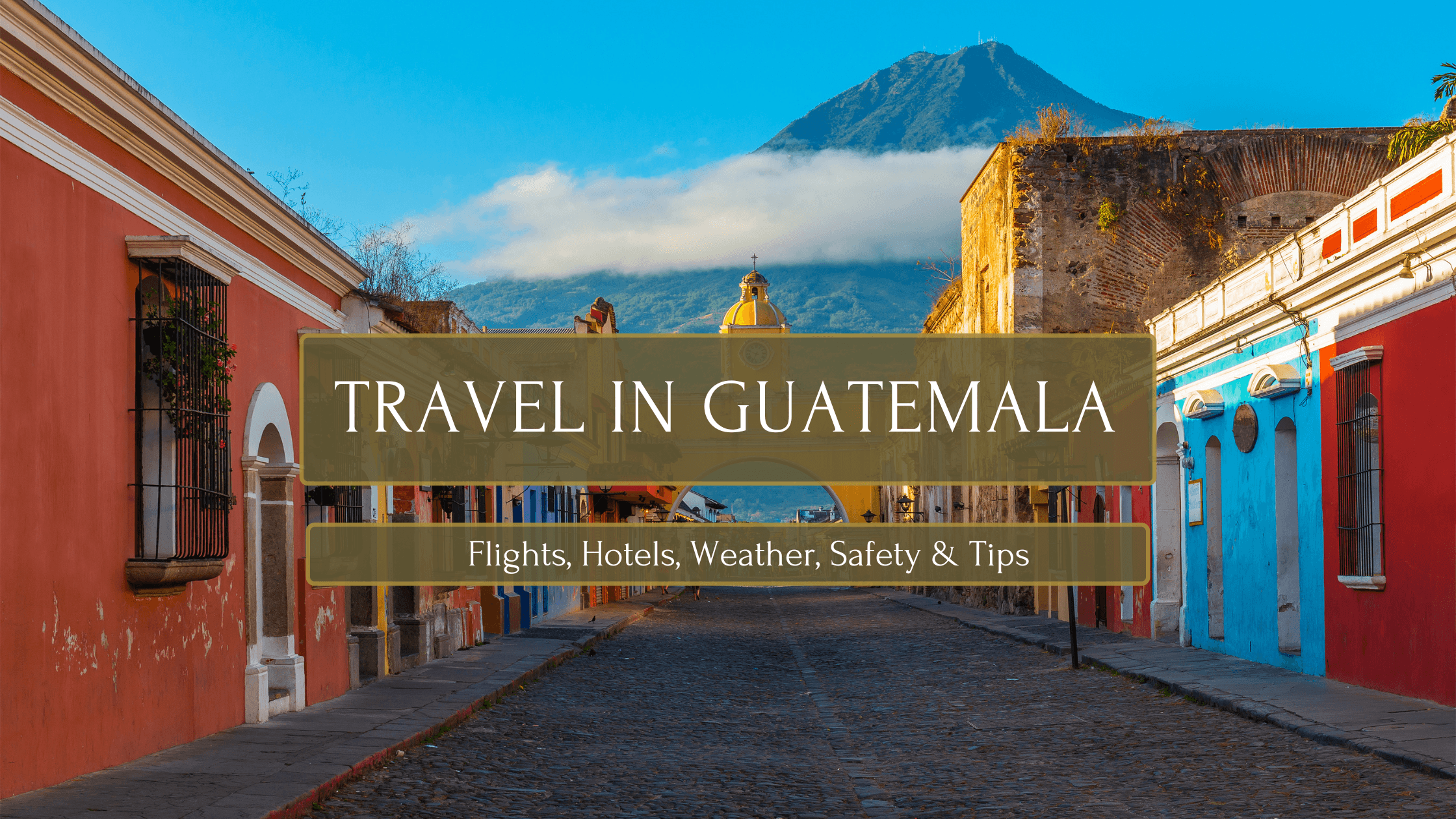
Travel in Guatemala: Complete Guide to Visiting Guatemala
Flights, Hotels, Weather, Safety & Tips
Guatemala stands as one of Central America’s most compelling destinations for independent travellers, families, digital nomads, and budget explorers. From colonial Antigua to indigenous Lake Atitlán, volcanic peaks like Fuego, and the UNESCO World Heritage Site of Tikal National Park, Guatemala delivers authentic experiences at extraordinary value.
This Guatemala travel guide covers everything you need to plan a memorable visit to Guatemala. Whether you’re crafting an itinerary through Antigua, trekking around Lake Atitlán, or exploring the important Mayan site of Tikal, this travel advice will help you travel freely and confidently throughout Central America’s most rewarding destination
Quick Facts About Guatemala
Capital: Guatemala City
Currency: Guatemalan Quetzal (GTQ). Approximately 7.5–8 GTQ per USD.
Language: Spanish (official). Indigenous languages including K’iche’, Kaqchikel, and Q’eqchi’ are widely spoken across parts of Guatemala.
Time Zone: Central Standard Time (CST), UTC-6.
Visa Overview: Citizens of the U.S., Canada, UK, Australia, and most EU nations receive 90 days visa-free on arrival when you enter Guatemala. Check travel documents requirements with your embassy before departure.
Plug Type: Plug type A (two flat parallel pins). Voltage is 120V, 60Hz.
Typical Budget Range: Budget travellers spending time in Guatemala: \$25–40 USD daily. Mid-range: $60–120 USD. Families or comfort-focused: $150+ USD per day.
Flights to Guatemala
La Aurora International Airport in Guatemala City is the main international airport in Guatemala for most arrivals. Located 6 km south of Guatemala City, this airport handles direct and connecting flights from across North America and Central America.
Typical flight routes to visit Guatemala include direct service from major U.S. cities (Miami, Houston, Los Angeles) with flight times of 2–5 hours. Regional connections through Mexico City or El Salvador offer alternatives. European travellers often find better rates by connecting through Madrid or Houston rather than flying direct to Guatemala City.
Flight prices are lowest during the rainy season (May–October), particularly June, July, and September. Peak travel season (December–March) brings premium fares. Book 4–8 weeks ahead for optimal pricing. Use flight comparison tools to track prices, and consider flexible dates. Tuesday and Wednesday departures typically offer cheaper availability.
From La Aurora International Airport in Guatemala City, most travellers head immediately to Antigua (45 minutes by shuttle), Lake Atitlán (3–4 hours), Chichicastenango (4 hours), or Tikal National Park (short internal flight or 8+ hours by road).
Hotels in Antigua & Accommodation Throughout Guatemala
Accommodation in Guatemala ranges dramatically by style and budget. In Antigua and around Lake Atitlán, hostels offer clean dorm beds for $8–15 USD. Budget hotels run $20–40 USD for private rooms. Mid-range properties with decent bathrooms, wifi, and breakfast cost $50–100 USD. Upscale boutique hotels and resorts command $150–300+ USD nightly.
Stay in Antigua for colonial architecture, excellent restaurants, and nearby volcano hikes. Hotels in Antigua suit families and digital nomads equally well, with reliable connectivity and established tour guide networks.
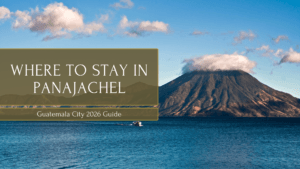
Stay in Lake Atitlán (including villages like San Pedro La Laguna and San Marcos) for a slower pace, indigenous culture, and water-based activities. A place to stay around the lake ranges from $12 USD hostel beds to $200+ USD lakeside resorts. Time in Lake Atitlán typically spans 3–5 days in most itineraries.
Stay in Guatemala City and Antigua are the primary tourist hubs, though budget travellers can stretch funds further in smaller towns. Families often prioritise Antigua or Lake Atitlán due to safety, amenities, and activity variety.
Digital nomads base themselves in Antigua or San Marcos, where wifi is reliable, cost of living is exceptionally low, and remote worker communities thrive.
Weather & Best Time to Visit Guatemala
Guatemala’s climate depends more on altitude than season. Highland areas (Antigua, Lake Atitlán) enjoy mild temperatures year-round: 20–24°C daytime, 10–15°C nights. Lowland regions (Tikal, jungle areas) stay tropical and warm at 25–32°C consistently.
The country experiences dry season (November–March, called “verano”) and rainy season (May–October, called “invierno”). April and October are transitional.
Best time to visit Guatemala: December–March offers clear skies and ideal hiking conditions for volcano exploration and Tikal visits. January and February see peak tourism. December and March remain excellent with fewer crowds.
Rainy season travel: May–September brings afternoon showers and lush landscapes. Travel remains entirely feasible; expect lower prices and smaller crowds. June and September see heaviest rainfall; road travel may encounter landslides.
For families, the dry season suits best due to clearer days and better hiking. Digital nomads often favour May–September for lower rates and peaceful towns. First-time travellers can visit year-round with travel insurance and flexibility.
Travel Advisories & Safety: Exercise a High Degree of Caution
Guatemala requires travellers to exercise a high degree of caution and common sense. Thousands visit safely annually by following practical travel advice and staying informed. Tourist areas including Antigua, Lake Atitlán, Chichicastenango, and Tikal are well-established, regularly visited, and generally safe for tourists.
Key safety concerns: Petty theft occurs in crowded markets and on buses. Armed robbery targets remote roads. Gang activity concentrates in specific parts of Guatemala, particularly Guatemala City neighbourhoods outside tourist zones.
Travel advice tip: Avoid displaying expensive jewellery, cameras, or large cash amounts. Use hotel-arranged taxi service rather than hailing cabs on the street. Travel to remote areas with expert guide or tour guides. Never leave food or drinks unattended. Keep valuables in hotel safes.
Transportation safety: First-class buses (“pullman”) are safer than local school buses. Hired private taxi services or guides suit mountain roads. Avoid driving at night in unfamiliar areas. Road travel in remote sections demands caution.
State of prevention: Check your embassy advisories before travel. Many governments recommend travellers exercise a high degree of caution in Guatemala, particularly due to crime in certain regions. Monitor local media and follow guidance from your accommodation and tour operators—they know current safety conditions better than any guidebook.
Travel insurance: Purchase comprehensive travel insurance covering emergency evacuation. Yellow fever vaccination is recommended for Tikal and jungle regions; consult your doctor.
Most visitors experience no safety incidents by exercising reasonable precaution in tourist zones. Your biggest risk is typically petty theft rather than violent crime.
Guatemala Travel Guide by Traveller Type
Families visiting Guatemala: Antigua offers walkable streets, chocolate workshops, and nearby volcano hikes. Lake Atitlán provides boat rides and gentle trekking. Tikal National Park captivates history-interested children. Multiple tour guides cater specifically to families.
Backpackers: Guatemala has a well-established backpacker network. The classic route connecting Antigua, Chichicastenango, Lake Atitlán, and Tikal is easy to navigate solo. Hostels offer social environments and organised group tours. Budget accommodation and cheap local food keep costs minimal for extended travel.
Digital Nomads: Antigua and San Marcos both have reliable internet, affordable monthly rentals, co-working spaces, and established remote worker communities. Guatemalan cost of living is exceptionally low. Mountain scenery and cultural depth provide lifestyle appeal beyond work.
First-Time Central America Travellers: Guatemala’s compact size, accessible tourism infrastructure, and concentration of highlights make it ideal for regional newcomers. You experience Mayan culture, jungle, highlands, and colonial towns efficiently. Lower prices and tourist-friendly services ease the transition to independent travel.
Planning Your Guatemala Trip Itinerary
How long to stay: Two weeks allow balanced exploration of Antigua, Lake Atitlán, Chichicastenango, and Tikal National Park. One week suits those focusing on one or two regions. Three weeks enable slower travel, Spanish classes, and deeper cultural immersion.
Sample itinerary for your trip to Guatemala: Arrive at La Aurora International Airport, transfer to Guatemala City briefly, spend 3–4 days in Antigua (colonial exploration, nearby volcanoes including Fuego), 1–2 days at Chichicastenango markets, 3–5 days around Lake Atitlán (villages, hiking, kayaking), then either return to highlands or fly to Tikal National Park (2–3 days) for jungle and Mayan ruins.
Transportation: Local buses connect most places in Guatemala affordably but move slowly. First-class pullman buses suit longer journeys. Shuttles link popular tourist destinations directly. Tuk-tuks serve short urban trips. Private taxi hire increases safety on mountain roads. Internal flights to Guatemala avoid lengthy road travel.
Entry and exit rules: Most visitors enter through La Aurora International Airport in Guatemala City. Border crossings exist with Belize (north), Mexico (west), Honduras (east), and El Salvador (southeast). Confirm entry and exit requirements with your country’s embassy before travel.
Connectivity: Phone networks and wifi are widely available in Guatemala City, Antigua, Lake Atitlán, and Tikal. Purchase a local SIM card at the airport for data access. Many hotels, hostels, and cafés offer free wifi throughout Guatemala.
Yellow fever vaccination: Recommended for entry and exit through jungle regions and Tikal; consult your doctor regarding your specific travel plans and health status.
Essential Travel Advice & Tips for Guatemala
Money matters: ATMs are available in Antigua, Guatemala City, and Lake Atitlán. Carry some cash for rural areas and markets. Small denominations ease transactions.
Best experiences: Watch sunrise or sunset from volcano peaks or lakeside viewpoints around Lake Atitlán. Visit Tikal at sunrise to spot wildlife. Hike Acatenango for multi-day adventure. Take Spanish classes in Antigua or San Marcos.
Cultural sensitivity: Ask permission before photographing locals, particularly in indigenous communities around Lake Atitlán. Respect sacred Mayan sites like Tikal National Park, a UNESCO World Heritage Site.
What to pack: Lightweight layers suit highland temperature swings. Sturdy hiking boots handle volcanic terrain. Rain jacket for the rainy season. Sun protection for tropical lowlands.
Getting local perspective: Hire a local guide for cultural insights. Tour guides enhance experiences at Tikal and volcano climbs. Your hotel can recommend trusted operators.
Vaccinations and health: Yellow fever vaccination recommended. Consult your embassy or doctor regarding your specific travel to Guatemala and health needs.
Frequently Asked Questions About Visiting Guatemala
Is it safe to visit Guatemala right now?
Guatemala is generally safe for tourists who exercise a high degree of caution and follow practical travel advice. Tourist areas including Antigua, Lake Atitlán, and Tikal National Park see thousands of visitors annually without incident. Check current travel advisories from your embassy before departure, hire reputable tour guides for remote areas, and avoid displaying valuables. Like any destination, petty theft and street crime exist in certain parts of Guatemala, but these risks are manageable through awareness and sensible precautions. Most travellers report positive experiences by staying informed and respecting local guidance.
What is the safest place to visit in Guatemala?
Antigua ranks as one of the safest places in Guatemala for tourists, with strong police presence, established infrastructure, and a large tourist community. Lake Atitlán villages (particularly San Marcos and San Pedro La Laguna) offer relaxed, safe environments with long-standing backpacker and digital nomad networks. Tikal National Park, while remote, operates with experienced tour guides and ranger presence. Avoid Guatemala City at night outside tourist zones, stay away from red zones flagged by your embassy, and use trusted transport throughout your trip to Guatemala. Time in these established tourist areas significantly reduces safety concerns.
How much does $100 USD go in Guatemala?
$100 USD stretches remarkably far in Guatemala. Budget travellers can cover 3–4 days comfortably: hostel beds ($10–15), meals at local restaurants ($3–6 per meal), public transport ($0.50–2), and modest activities ($5–15). A daily budget of $25–30 USD is realistic for backpackers. Mid-range travellers spending $60–80 USD daily enjoy private hotel rooms, better restaurants, and organised tours. In places like Antigua, Lake Atitlán, and San Marcos, $100 USD covers approximately one week of comfortable mid-range accommodation and meals. Rural areas and smaller towns stretch your money even further.
Do I need malaria pills for Guatemala?
Malaria risk exists in lowland regions below 1,500 metres, particularly Petén (Tikal area), the Yucatán Peninsula, and coastal lowlands. If your itinerary focuses on Antigua, Lake Atitlán, or highland regions, malaria prevention may not be necessary—consult your doctor or travel clinic. For Tikal National Park or extended jungle travel, antimalarial medication is commonly recommended. Yellow fever vaccination is advisable for jungle regions and entry/exit through certain borders. Schedule a pre-travel consultation with your doctor or travel health clinic 4–6 weeks before your trip to Guatemala to receive personalised medical advice based on your specific itinerary and health status.
What is the #1 attraction in Guatemala?
Tikal National Park ranks as Guatemala’s most iconic UNESCO World Heritage Site and important Mayan site, drawing visitors worldwide. This jungle complex features towering pyramids, ancient temples, and prolific wildlife. For many, watching sunrise or sunset over the canopy at Tikal represents the quintessential Guatemala experience. Other top attractions include Lake Atitlán’s volcanic scenery and indigenous villages, Antigua’s colonial architecture and nearby volcano hikes (including Fuego), and Chichicastenango’s vibrant indigenous markets. Your “number one” depends on personal interests—archaeology buffs prioritise Tikal, while culture seekers gravitate toward Lake Atitlán or Antigua. Most comprehensive itineraries include at least two or three major highlights.