
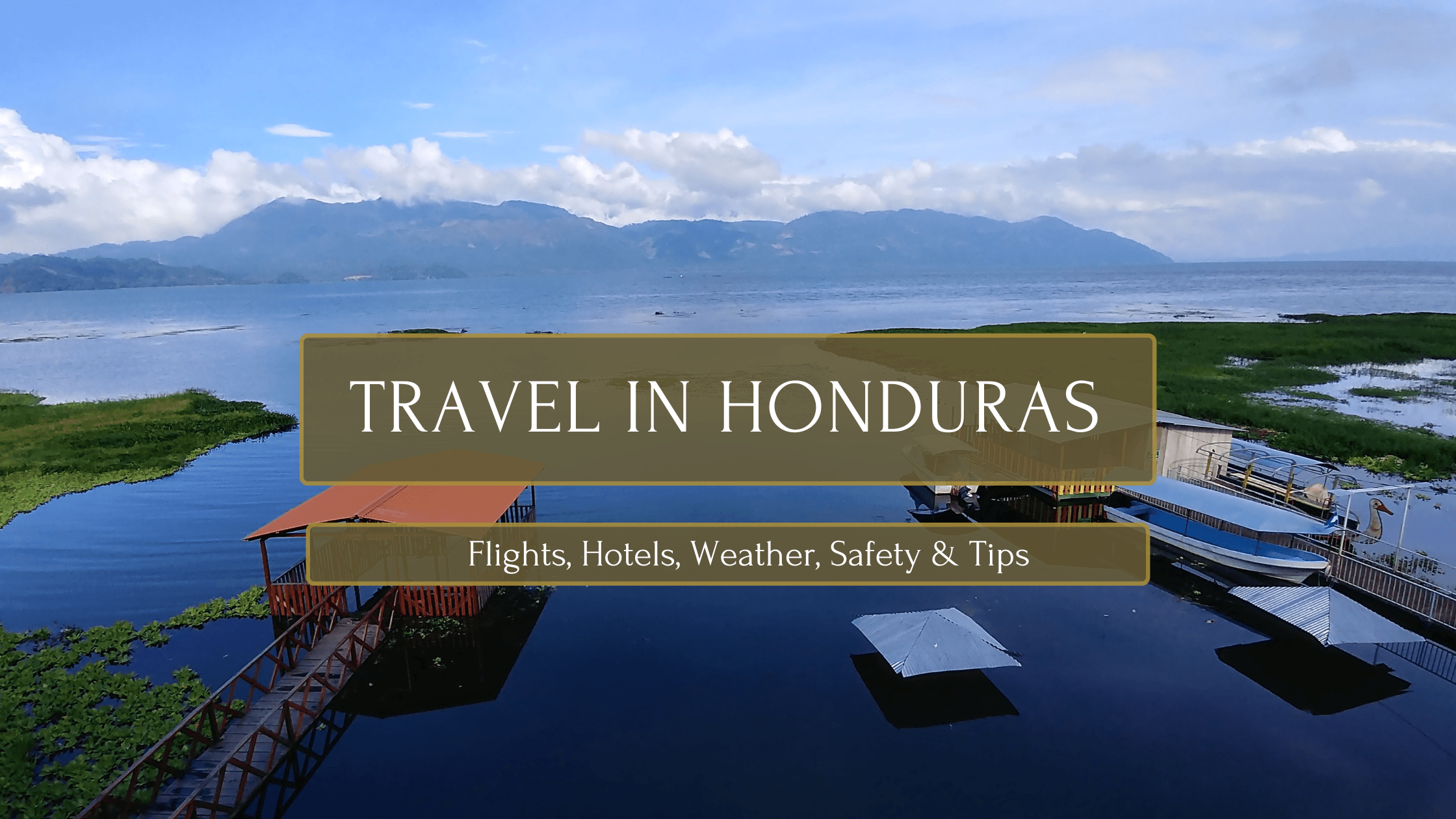
Travel in Honduras: Complete Travel Guide for International Travel
Flights, Hotels, Weather, Safety & Tips
Honduras sits at the crossroads of Central America, offering travellers a genuine escape from the heavily trodden tourist paths. If you’re looking for pristine Caribbean beaches without crowds, world-class diving and snorkelling, colonial history, and lush cloud forests, Honduras delivers all of this at a fraction of the cost you’d pay elsewhere in Latin America.
The country appeals to a wide range of travellers. Families appreciate the relatively short flight times from North America, affordable accommodation, and safe, established tourist areas like Roatán and the Bay Islands. Backpackers love the budget-friendly nature of Honduras and the strong backpacker infrastructure. Digital nomads increasingly base themselves in places like Utila and Roatán, where reliable internet, affordable living costs, and a welcoming community create ideal working conditions.
Before visiting Honduras, check current travel advisories from your government, as conditions vary by region. Whether you want to explore Mayan ruins, relax on Caribbean shores, or experience authentic Central American culture, Honduras offers genuine experiences at accessible prices.
Quick Facts About Honduras
Capital: Tegucigalpa
Population: Approximately 10 million
Currency: Honduran Lempira (HNL); 1 USD ≈ 24 HNL
Languages: Spanish (official); English widely spoken in tourist areas and Roatán
Time Zone: Central Standard Time (CST), UTC-6
Visas: Citizens of the US, UK, Canada, Australia, and most EU countries receive 90 days on arrival
Plugs: Type A and B (120V, 60Hz)
Best for: Beach relaxation, diving, cultural exploration, budget travel
Typical Daily Budget: $35–60 USD for budget travellers; $80–150 for mid-rangeTravel Advisories: Check official travel advisories before booking. The Government of Honduras provides current information through their official channels, though remote regions like Gracias a Dios present heightened risks. Most travel advisories identify San Pedro Sula and certain areas of Tegucigalpa as having elevated safety concerns, while tourist areas including Roatán and the Bay Islands remain relatively secure for visitors exercising standard precautions.
Flights to Honduras
Honduras has two main international airports. Toncontín International Airport (TGU) in Tegucigalpa is the largest and receives most long-haul flights. Juan Manuel Gálvez International Airport (RTB) on Roatán is ideal if heading straight to the Bay Islands and offers direct flights from the US.
Most Honduras travel originates from North America, with direct flights from Miami, Houston, and Los Angeles to Tegucigalpa or Roatán available. From Europe, expect one connection, typically through Miami. Regional options from elsewhere in Central America are also available.
Flight prices tend to be lowest during shoulder seasons. Book 4–6 weeks in advance for better rates on flights to Honduras. Flexibility with exact dates and considering secondary airports can help reduce costs.
Honduras has two main international airports. Toncontín International Airport (TGU) in Tegucigalpa is the largest and receives most long-haul flights. Juan Manuel Gálvez International Airport (RTB) on Roatán is ideal if heading straight to the Bay Islands and offers direct flights from the US.
Most Honduras travel originates from North America, with direct flights from Miami, Houston, and Los Angeles to Tegucigalpa or Roatán available. From Europe, expect one connection, typically through Miami. Regional options from elsewhere in Central America are also available.
Flight prices tend to be lowest during shoulder seasons. Book 4–6 weeks in advance for better rates on flights to Honduras. Flexibility with exact dates and considering secondary airports can help reduce costs.
Hotels in Honduras
Honduras offers diverse accommodation options. Hostels cost $15–30 per night. Budget hotels run $30–70. Mid-range hotels ($70–150) offer comfort and often include breakfast. Upscale resorts ($150–350+) cluster on the Bay Islands and in established areas.
Location matters significantly. Roatán and the Bay Islands are traveller hubs with established infrastructure and water-based activities. The Bay Islands include Roatán, Guanaja, and Utila, each offering distinct experiences. Copán Ruinas attracts cultural travellers near Guatemalan border archaeological sites. Tegucigalpa and San Pedro Sula serve as practical bases for connecting to other regions, though San Pedro Sula requires heightened awareness regarding safety and security compared to tourist areas.
The north coast, including La Ceiba, offers Caribbean charm and adventure activities. Families should prioritise hotels with reliable infrastructure; digital nomads should confirm internet speeds directly with properties.
Weather & Best Time to Visit Honduras
Honduras has two main seasons: the dry season (November to April) and the rainy season (May to October). The Caribbean coast stays warm year-round, typically 75–85°F (24–29°C). Highlands around Tegucigalpa and Copán are cooler, ranging from 60–75°F (15–24°C).
Best months: November through April offers reliable weather, sunny days, calm seas for diving, and lower humidity. December and January are peak season. February and March remain excellent with slightly lower prices. April is warm but approaching the rainy season.
The dry season is optimal for outdoor activities and visiting areas throughout the country. During rainy season (May–October), afternoon downpours occur, though the Bay Islands rarely experience direct impacts. This period brings fewer tourists and lower prices, making it suitable for budget-conscious travellers and digital nomads.
Honduras Safety and Security Overview
Honduras presents a mixed safety profile requiring realistic assessment. The country summary from travel advisories indicates that violent crime, violent street crime, and armed robbery occur in specific areas—primarily concentrated in certain municipalities, including parts of San Pedro Sula and Tegucigalpa—that tourists have no reason to visit. Tourist areas including Roatán, the Bay Islands, Copán, and established coastal destinations see very few incidents affecting visitors.
Understanding Travel Advisories: Government travel advisories for Honduras vary by region. While some areas carry warnings about violent gang activity, drug trafficking, and gang-related homicide, other regions remain safe. The Government of Honduras and international embassies regularly update advisories reflecting current conditions. Check your embassy’s Honduras travel advisories before departure and monitor local media throughout your stay.
Common Safety Concerns:
Petty theft and robbery in urban areas remain the primary concern for tourists. Avoid displaying expensive cameras, phones, or jewellery. Don’t walk alone after dark in Tegucigalpa or San Pedro Sula. Use registered taxis or ride-sharing apps rather than hailing cabs. Keep valuables in your accommodation’s safe.
Demonstrations occasionally occur throughout the country; exercise discretion and avoid large gatherings. Roadblocks are infrequent but can occur on rural routes. Violent crime rates vary significantly by municipality; stick to established tourism areas.
Health and Vaccination Concerns: The Honduran Ministry of Health closely monitors disease outbreaks. Dengue cases occur periodically, particularly in the eastern department. Yellow fever vaccination is required for entry if arriving from endemic countries; measles vaccination is recommended. COVID-19 entry restrictions have largely been lifted, though customs forms may still apply depending on current conditions. Present proof of vaccination if required by your airline or immigration authorities.
Professional Assistance: If issues arise, contact your embassy for support. The Honduran embassy and international embassies throughout the country provide consular assistance to citizens.
Transportation Safety: Domestic flights connecting Tegucigalpa, San Pedro Sula, and the Bay Islands are reliable. Buses are popular; comfort depends on the service level. Water taxis connecting to Roatán and the Bay Islands are well-established. Car rental is viable if comfortable driving in Central America; stick to main routes during daylight. Public transportation requires normal vigilance; exercise discretion late at night.
Beach Safety: While beautiful, beaches throughout the country should be accessed during daylight hours. Lifeguard presence is limited to established resort areas around Roatán and the Bay Islands. Exercise caution swimming in unfamiliar areas, particularly after dark.
Remote Regions: Gracias a Dios is a remote eastern department with limited government services and military presence is scarce. This region presents heightened risks and should be avoided unless absolutely necessary. The concentration of resources and lack of infrastructure is weak, limiting access to emergency assistance. Similarly, San Esteban and Bonito Oriental in remote areas carry elevated risks.
Who Honduras Is Best For
Families: Safe, established areas like Roatán and the Bay Islands; short flights from North America; affordable family accommodation; kid-friendly activities including beach days and snorkelling.
Backpackers: Extremely affordable costs; strong backpacker infrastructure; excellent water sports value; easy overland travel to Guatemala and El Salvador; 90-day visas allowing extended exploration.
Digital Nomads: Low cost of living; improving internet in Roatán and Utila; vibrant expat communities; affordable long-term accommodation; welcoming visa policies.
First-time Latin America Travellers: Less crowded alternatives; English widely spoken in tourist areas; diverse experiences (beaches, culture, nature) without extensive travel
Planning Your Trip to Honduras
How long to stay: One week is realistic for exploring one or two regions—perhaps Roatán and the Bay Islands plus Copán. Two weeks allows a more relaxed pace. Digital nomads often stay several months.
Typical routes: Many visitors start in Roatán and the Bay Islands (3–5 days), then travel to Copán for 2–3 days exploring Mayan history. Others combine the north coast with jungle lodges or Garífuna settlements near Tegucigalpa.
Transport basics: Domestic flights connect major cities affordably. Buses link major towns. Water taxis connect to the Bay Islands, including Roatán and Guanaja. Car rental is available but unnecessary for most travellers.
Connectivity: Major towns have reasonable mobile coverage. Roatán offers the most reliable internet for digital nomads. Tourist hotels and cafés provide WiFi, though speeds vary.
Customs and Entry: Ensure you complete customs declaration forms upon arrival. Honduran law prohibits certain items; review restrictions before entering the country. Immigration authorities may request proof of vaccination or negative COVID-19 tests depending on current entry restrictions. Leaving the country requires clear documentation; ensure your passport is valid for at least six months beyond your stay.
Health Considerations
Before travel to Honduras, consult health professionals regarding vaccinations. Yellow fever vaccination is required for entry from endemic countries. Dengue, measles, and other tropical illnesses present seasonal risks. COVID-19 information changes; check current requirements. The Honduran Ministry of Health declared dengue a concern in recent years, particularly in the eastern department, with an increase in dengue cases documented. Malaria and dengue prevention through mosquito avoidance is essential.
Frequently Asked Questions About Traveling in Honduras
Is it safe to travel to Honduras now?
Honduras is generally safe for tourists in established areas like Roatán, the Bay Islands, and Copán. Most travel advisories identify specific regions to avoid while clearing well-developed tourism infrastructure. Safety depends largely on location and behaviour. Tourist areas maintain visible police presence and tourism-focused security. Check current travel advisories from your government before departure, as conditions vary by region and change periodically. Thousands of travellers visit Honduras safely each year by following standard precautions.
Can US citizens travel to Honduras?
Yes, US citizens can travel to Honduras and receive 90 days on arrival without a visa. However, check current travel advisories issued by the US State Department, as regional security conditions may prompt recommendations against non-essential travel to specific areas. US citizens should register with the embassy upon arrival for safety updates and consular assistance if needed. Most tourist areas welcome American visitors without restrictions.
Which parts of Honduras are safest for tourists?
The safest areas for tourists include Roatán and the Bay Islands, which benefit from strong tourism infrastructure and police presence. Copán Ruinas offers safe cultural exploration near archaeological sites. Established areas of Tegucigalpa’s tourist zones and the north coast including La Ceiba are generally secure. Avoid San Pedro Sula and Gracias a Dios, which experience higher levels of criminal activity and limited government services. Stick to well-traveled routes and established accommodations throughout the country.
How far does $20 go in Honduras?
$20 USD stretches considerably in Honduras. Budget meals cost $3–6; a basic hotel room runs $15–35; local beer costs $1–2; taxi rides average $2–5 in cities. Digital nomads and backpackers report daily budgets of $35–50 covering food, accommodation, and local transport. The Honduran Lempira exchange rate favours US dollar holders, and many establishments accept USD directly, though local currency often yields better rates. Your purchasing power is significantly higher than in North America or Europe.
Why is Honduras a level 3 Travel Advisory?
Honduras receives level 3 travel advisories (“Reconsider Travel”) from some governments due to violent crime, gang activity, and homicide concentrated in specific municipalities and regions. These concerns centre on San Pedro Sula, certain areas of Tegucigalpa, and remote regions like Gracias a Dios—areas outside major tourist zones. The advisory reflects conditions in the country’s 298 municipalities overall rather than tourist-specific areas. Visitor safety in established tourism destinations remains relatively high, making Honduras accessible for travellers exercising appropriate caution and awareness.
Travel in Honduras offers incredible value and genuine experiences. Check current travel advisories, stay informed of local conditions throughout your stay, and prepare for an unforgettable Central American journey.