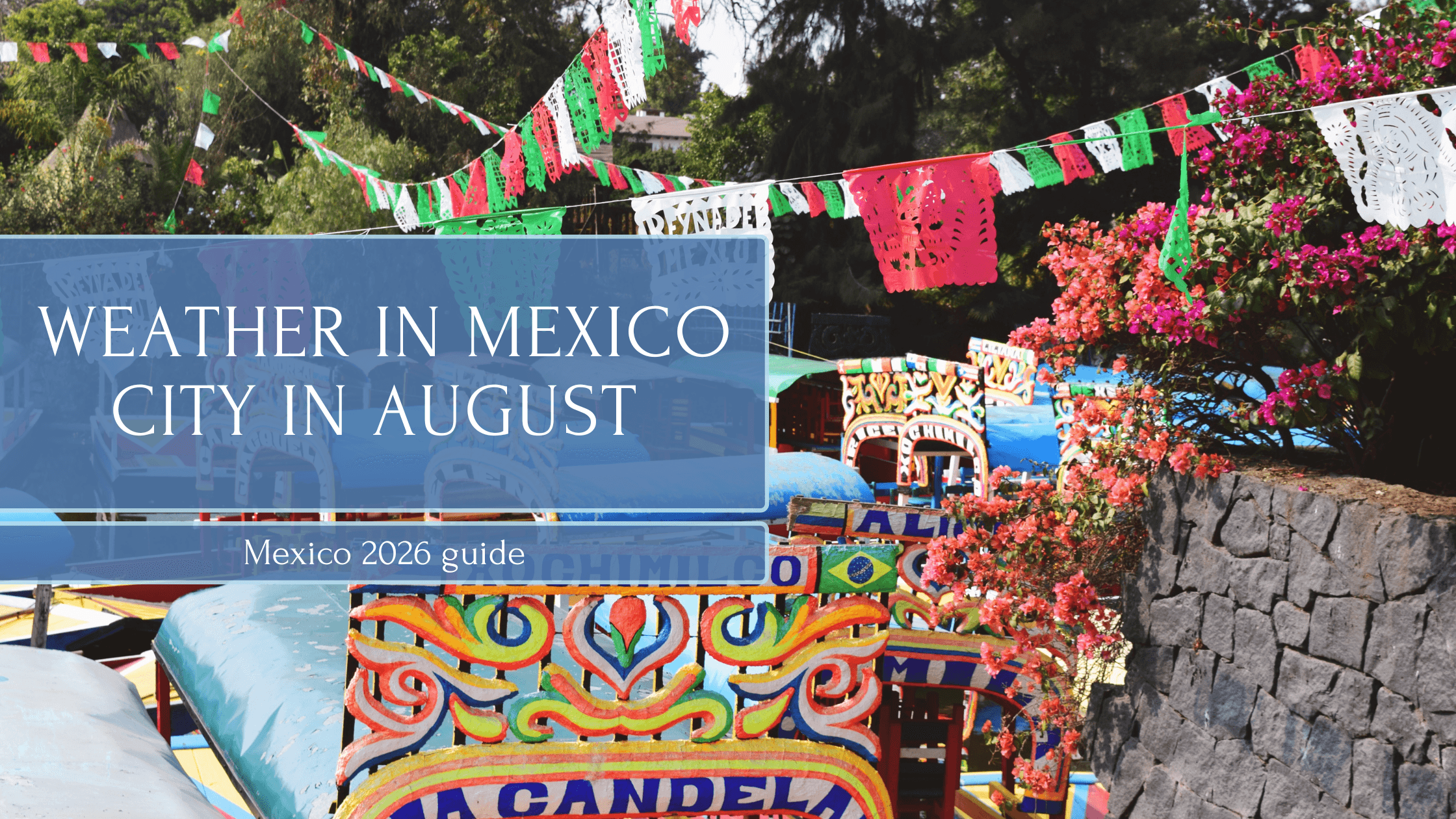
Weather in Mexico City, Mexico in August
Weather in Mexico City, Mexico in August
August in Mexico City is hot, humid, and wet. It’s peak rainy season, which means afternoon thunderstorms are nearly guaranteed and streets can flood. If you’re flexible with weather and don’t mind dodging rain showers, the city is cooler than July and less crowded than summer peak. For first-time visitors prioritizing comfort, September or October work better. But if you’re willing to embrace the rhythm—early mornings and late afternoons outdoors, afternoons indoors—August rewards you with lower prices and authentic local energy. Understanding weather in Mexico City during August shapes your entire itinerary and helps you decide if this month fits your trip to Mexico.
Weather in Mexico City in August matters because it determines what you can do when. You’ll need rain gear, adjusted activity timing, and realistic expectations about humidity. Before booking your trip to Mexico, understand exactly what you’re walking into. Our guide to Travel in Mexico covers regional variations across the country; Mexico City’s August weather is distinct and demands its own strategy.
Quick Weather Snapshot
- Average high: 26°C (79°F); humidity levels push the feel toward 29–30°C
- Average low: 17°C (63°F)
- Rainfall: Heavy (the wettest month)
- Humidity: High (65–75%)
- Wind speed: Mild, 2–4 m/s
- Season: Rainy season (ongoing)
- Crowd level: Moderate
- Overall comfort rating: Fair to Good for rain-tolerant travelers
What Mexico City Is Like in August
Mornings in Mexico City during August are crisp and often clear, sometimes cool enough to wear a light layer. By noon, the city heats up and humidity builds steadily. Afternoons—typically between 2 p.m. and 6 p.m.—bring intense thunderstorms and rain showers. These aren’t gentle rains; they’re heavy downpours that can pause traffic and flood low-lying areas. Evenings cool down again, making that sweet spot between 6 p.m. and 9 p.m. ideal for walking neighborhoods like Condesa or Coyoacán. Weather is warm and humid throughout the day, but pockets of comfort exist if you time your itinerary right.
The sky alternates between overcast and brilliant blue. Mornings often break clear, then clouds gather by early afternoon. If you plan outdoor sightseeing, start early. The Zócalo, Templo Mayor, and Chapultepec Park are doable in the morning; indoor museums and markets absorb the afternoon downpours naturally. Daytime temperatures averaging 26°C feel moderate compared to coastal areas, but the combination of heat and humidity creates that signature August feel.
Average Temperature and Conditions in Mexico City in August
August highs hover around 26°C (79°F), with nighttime lows around 17°C (63°F). The average high temperature range is moderate—nothing extreme. The real challenge isn’t heat; it’s the combination of warm and humid air, which makes the atmosphere feel heavier than the thermometer suggests. At 2,250 meters elevation, Mexico City is cooler than lower-altitude coastal areas, but humidity negates that advantage. Sun exposure is strong, especially in clear mornings; sunburn happens fast despite moderate average temperatures. Travelers should stay informed about the weather conditions in Mexico City, as sudden rain showers can occur, particularly during the summer months. It’s advisable to carry an umbrella or a light jacket when exploring the city, even if the forecast seems clear. Additionally, the unique altitudinal climate can lead to quick changes, making layers essential for comfort throughout the day.
Rainfall and Precipitation in Mexico City in August
August is the wettest month in Mexico City, with an average rainfall of 180 mm (7 inches). Expect rain on about 18–20 rainy days of the month. Average rainfall per rainy day is substantial—these are proper downpours, not drizzle. The pattern is predictable: afternoon showers and storms dominate. Morning rain exists but is less common. These are not all-day events; precipitation typically lasts 30–90 minutes, then clears. The challenge is timing—you can’t count on continuous dry weather, but you also can’t ignore the frequency of rain showers.
Heavy rain occasionally causes flooding in lower areas and street closures. The metro is always a dry backup. Light walking between showers is usually safe; major sightseeing works if you stay adaptable and treat rain as a pause, not a cancellation. Weather reports and weather data from Mexico’s weather stations confirm this predictable afternoon pattern.
Humidity and High Temperatures in Mexico City in August
Humidity ranges from 65–75%, which is high enough to notice but not oppressive compared to tropical coastal areas and beaches. The real discomfort comes from warm and humid conditions combined: 26°C in 75% humidity feels closer to 29–30°C (84–86°F). High temperatures combined with high humidity levels can feel draining if you overheat easily. If you have respiratory sensitivity, the afternoons can feel exhausting.
Early mornings and evenings are genuinely pleasant. Hydration is essential—the altitude and dry air of Mexico City are deceptive; you’ll dehydrate faster than you expect, and humidity masks that sensation.
Is Mexico City Busy in August?
August is not peak tourist season for those planning a trip to Mexico. Summer holidays are ending in the northern hemisphere, and many international visitors move to September or skip Mexico entirely for heat-sensitive travel. You’ll encounter other tourists—this is Mexico City, after all—but not the crushing crowds of May or December. Hotels and tours cost less. Local restaurants aren’t packed with tour groups. It’s a sweet spot for solo travelers and couples who tolerate rain and want to visit Mexico without summer prices.
School holidays in Mexico extend through August, so local family tourism is present, but not overwhelming.
Best Things to Do in Mexico City in August
Zócalo and Templo Mayor (early morning): Visit 7–10 a.m. before heat builds and crowds arrive. The light is beautiful, and you’ll miss afternoon rain showers. Plan this in your itinerary as a must-do morning activity.
Chapultepec Park and Museums: Explore the park in the morning; if rain hits, duck into one of the world-class museums (Museo de Antropología, Museo Tamayo). Your itinerary should include at least one museum day for rain backup.
Frida Kahlo Museum (La Casa Azul): An ideal rainy-day activity when precipitation is heavy. Book timed entry to avoid queues. The house is compelling and easily covers 2–3 hours of your itinerary.
Coyoacán neighborhood: Wander plazas, browse galleries, and grab street food. Rain adds atmosphere. Hit it in late afternoon after storms pass. It’s essential for any Mexico City itinerary.
Xochimilco (with rain backup plan): Float the canals early (6–9 a.m.) before afternoon weather deteriorates. Alternatively, skip heavy-rain days and head to the enclosed Mercado de Flores instead. Build flexibility into your itinerary.
Lümazo (LUMACO): This contemporary art space is indoors, climate-controlled, and designed for humid days. Perfect for 2–3 hours during peak afternoon rain.
Barrio Santa María la Ribera: Quieter, less touristy, and walkable. Morning strolls reveal street art and local cafés. It’s often overlooked in standard itineraries but rewards exploration.
Cooking or mezcal-tasting classes: Perfect indoor evening activities. Many run 2–4 hours and give you local skill and context during warm and humid afternoons.
Festivals and Events in August
August has no major national festivals and events in Mexico City. Most cultural celebrations cluster in September (Independence Day period) or earlier. Expect normal city rhythms without special events driving prices up or adding crowds. Plan your trip to Mexico with this in mind—August offers fewer festival distractions but also less competition for restaurant and hotel availability.
What to Pack for Mexico City in August
- Lightweight, breathable clothing: Cotton and linen shirts, shorts, lightweight pants. Avoid heavy fabrics in this warm and humid climate.
- Rain gear: A compact umbrella (essential for the wettest month) and a lightweight waterproof jacket or poncho.
- Waterproof bag or dry bag: Protect electronics, documents, and valuables during sudden rain showers.
- Comfortable walking shoes: Waterproof or quick-dry options preferred. Streets get slick during afternoon precipitation.
- Sun protection: High-SPF sunscreen, hat, and sunglasses. The altitude magnifies UV exposure even on cloudy days.
- Light layers: A cardigan or sweater for cool mornings and overly air-conditioned indoor spaces.
- Quick-dry towel or bandana: Useful after rain or for wiping down during the hot and humid afternoons.
Travel Tips and Seasonal Advice for August in Mexico
Time your day strategically. Early mornings (6–11 a.m.) are the safest for outdoor sightseeing when weather is typically clear. Late afternoons/evenings (6 p.m. onward) are your second window. Midday, 12–4 p.m., is when rain and precipitation are most likely. Build this rhythm into your itinerary.
Embrace indoor activities during rain. Museums, markets (Mercado de la Paz, Mercado Benito Juárez), galleries, and restaurants aren’t backups—they’re highlights. Don’t fight the weather; travel tips from local guides emphasize this adaptation.
Stay near a metro station. Sudden rain can disrupt walking routes, but Mexico City’s metro is fast, cheap, and always dry. Know which metro stop is closest to where you are at any hourly point.
Bring twice the socks you think you need. Wet feet happen constantly during the rainy season. Dry socks matter for comfort and preventing fungal issues.
Negotiate street parking and taxis pre-rain. If it’s 4 p.m. and clouds are dark, ride-share and taxi prices spike. Plan accordingly or walk to a metro stop.
Eat early or late, not during prime rain hours. Restaurants fill up during 5–7 p.m. as travelers seek shelter. Eat at 4 p.m. or 8 p.m. for shorter waits and better dining experiences.
Check weather data and weather reports hourly. Weather stations in Mexico City update frequently. Apps and local news help you time activities around rain showers.
Weather Hazards in Mexico City in August
Flooding in low-lying areas: Heavy afternoon storms occasionally cause street flooding, particularly near Doctores, Tepito, and areas south of the Zócalo. Avoid walking through flooded streets; it’s dangerous and damages shoes/electronics. Use the metro or wait it out.
Electrical storms and wind speed: Thunderstorms are intense but brief. Lightning is possible; avoid open areas (parks, rooftops, exposed markets) during active storms. Wind speed picks up during precipitation events.
Slippery surfaces: Wet pavement, especially on older streets with uneven surfaces, is a hazard. Wear gripping footwear and watch your step during and after rain.
Cold, damp nights: Occasional cool, humid evenings can feel uncomfortable if you’re underdressed. A light layer prevents chill even though daytime temperatures are warm.
Altitude effects intensified by heat/humidity: Some travelers report headaches or fatigue when combining Mexico City’s 2,250-meter elevation with August heat and humidity. Hydrate aggressively and acclimatize the first 2 days.
Seasonal hurricane considerations: While Mexico City itself is not on the coast and faces no direct hurricane risk, weather patterns in June to November can influence upper-level moisture and increase rain intensity. Monitor seasonal forecasts. Understanding the average temperature in Mexico City can help in planning during these months, as the city experiences a high degree of temperature variability. Despite the lack of direct hurricanes, the rain can lead to cooler periods that may affect local activities and daily life. It’s advisable to stay informed about both temperature trends and precipitation levels during this season.
Key Takeaways
August is the wettest month, hot, and humid. Expect afternoon thunderstorms on 18–20 rainy days. It’s not a deal-breaker if you plan accordingly and build flexibility into your itinerary.
Morning and evening are gorgeous. Start sightseeing by 8 a.m., retreat indoors 12–5 p.m., resume 6 p.m. onward. This rhythm works for any itinerary.
Rain is predictable, not catastrophic. Storms last 30–90 minutes and clear quickly. Locals navigate them without fuss; weather data confirms this pattern.
Crowds and prices are lower. August is quieter and cheaper than May, June, or December. That’s valuable if you’re flexible and planning a trip to Mexico on a budget.
Pack rain gear and dry-friendly shoes. Comfort hinges on smart packing, not perfect weather conditions.
The altitude and humidity combo matters more than heat. You won’t experience extreme heat—even 95°F is uncommon—but you’ll feel the weight of the warm and humid air. Hydrate relentlessly.
This month works best for adaptable, self-directed travelers. If you need guaranteed sunny days and low rain risk, choose September or October instead. Time to visit Mexico depends on your tolerance for precipitation. When planning your trip, consider exploring the best neighborhoods in Mexico City for a taste of the local culture. Each area offers unique attractions, dining options, and vibrant street life that can enhance your experience. Whether you’re drawn to the historic charm of Coyoacán or the modern vibe of Polanco, there’s something for everyone to enjoy.
FAQs
Is August a good time to visit Mexico City?
Yes, if you tolerate rain. August in Mexico brings lower prices, fewer tourists, and genuinely pleasant mornings and evenings. Morning temperatures and evening conditions are excellent for sightseeing. Afternoon rain is predictable; plan indoor activities accordingly. It’s ideal for budget-conscious travelers visiting in August.
How much rain falls in Mexico City in August?
About 180 mm (7 inches) spread across 18–20 rainy days. That makes August the wettest month. Most rain concentrates in 30–90 minute afternoon downpours, not all-day precipitation. The city doesn’t shut down.
Can I get sunburned despite frequent rain in August?
Yes. Mexico City sits at high altitude (2,250 meters), intensifying UV exposure. Mornings are often clear and sunny. Sunscreen with SPF 30+ is essential even on cloudy days, especially during daytime hours.
Will the humidity make it unbearably hot?
Not in absolute terms. 26°C average highs aren’t extreme. High humidity levels push the feel warmer, but you won’t experience 95°F heat. Afternoon humidity can feel exhausting; plan rest time indoors during peak humidity hours (2–5 p.m.).
Are there fewer tourists in August than other months?
Yes. August has moderate crowds compared to May, June, July, and December. Schools are winding down, and the rainy season deters some international travelers. Hotel rates are noticeably lower, and restaurants are less packed with tour groups visiting Mexico.
Data sources: Mexican National Meteorological Service (Servicio Meteorológico Nacional), NOAA Weather Data, Mexico City Tourism Board