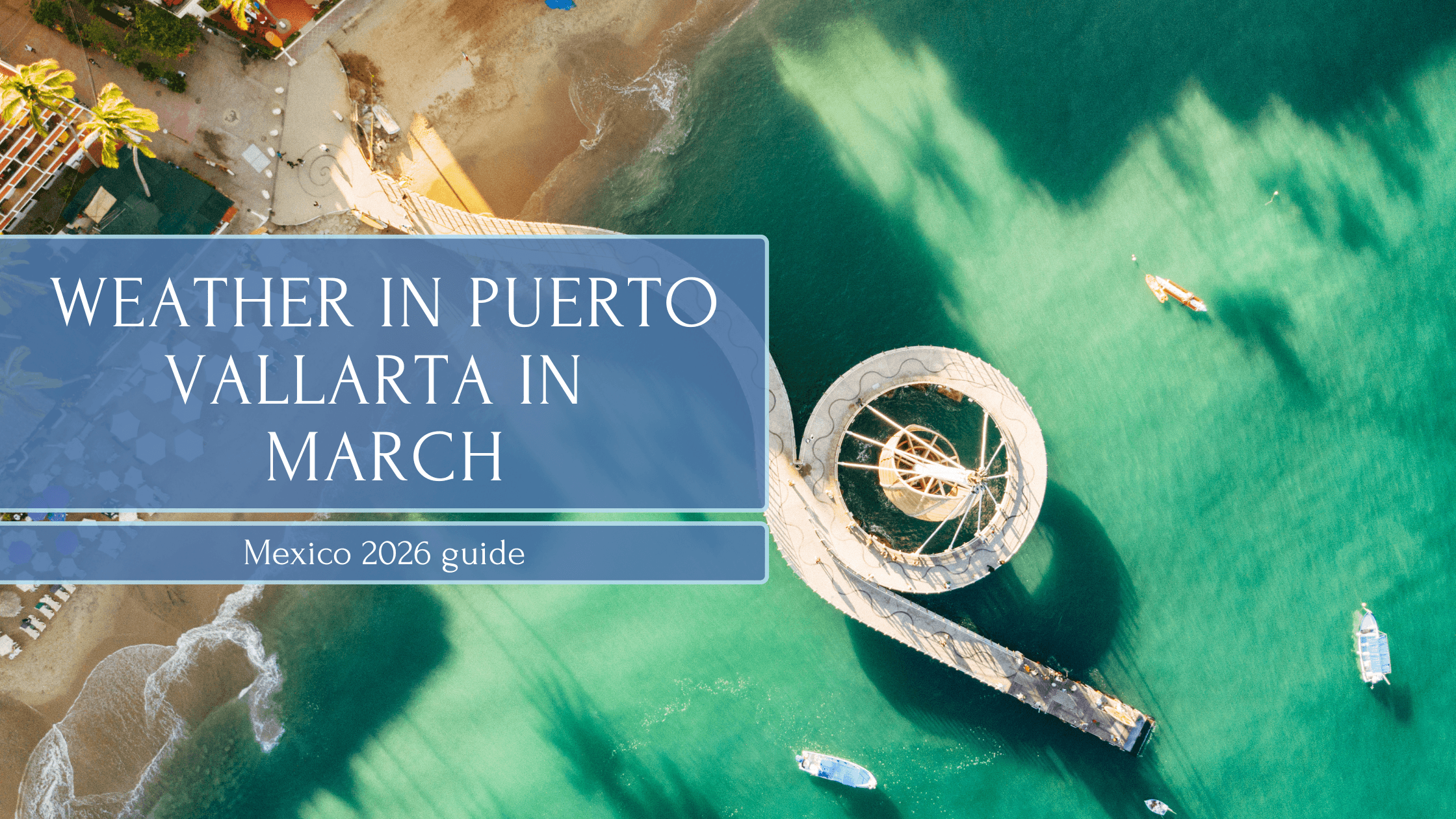
Weather in Puerto Vallarta, Mexico in March
Weather in Puerto Vallarta in March
March in Puerto Vallarta is warm, mostly dry, and ideal for beach trips. You’re looking at sunny days, low rain chances, and comfortable evenings—perfect conditions for planning activities without weather disruptions.
This is prime shoulder season and arguably the best time to visit Puerto Vallarta. Spring break crowds are present but manageable. Puerto Vallarta offers excellent weather, reliable sunshine, and flexibility to explore water and land activities without extreme discomfort. Ideal for couples, families, and solo travelers. As you plan your trip, keep in mind the weather patterns in Puerto Vallarta, which typically feature warm temperatures and gentle breezes. This climate allows for a variety of outdoor activities, from beach lounging to hiking in the nearby hills. With such favorable conditions, it’s easy to see why this destination remains a favorite among travelers year-round. To enhance your experience, also consider checking the current weather conditions in Puerto Vallarta, as this can significantly influence your daily itinerary. Whether you’re planning to relax on the beach or embark on adventurous excursions, staying updated on the local climate will ensure you make the most of your trip. Don’t forget to pack appropriately for both sunny days and cooler evenings, as the weather can change throughout the season.
Quick Weather Snapshot: Average Conditions
- Average temperature: 28–30°C (82–86°F) / 20–21°C (68–70°F)
- Precipitation: Low (15–20 mm, minimal chance of rain)
- Humidity: Moderate (65–70%)
- Season: Dry season
- Crowds: High (spring break, Easter)
- Comfort rating: 8.5/10
Weather in Puerto Vallarta in March in Banderas Bay
March delivers ideal weather across Banderas Bay: bright sun, low clouds, a consistent breeze off the Pacific. Mornings start cool and crisp (around 20°C), warming quickly by mid-morning. By afternoon, you’re in the sweet spot—warm enough to swim and explore, not so hot that shade becomes mandatory. Evenings cool down enough for comfortable walking along the boardwalk without excessive heat.
Sky conditions are predominantly clear to partly cloudy. Rain, when it comes, typically arrives in quick afternoon bursts rather than all-day soaking. Walking around the coastal areas or exploring beaches is entirely feasible; you’re not dealing with the oppressive midday heat of May or the wet-season surprises of September. Sightseeing stays comfortable from early morning through late afternoon, with pleasant temperatures ideal for outdoor exploration.
Average Temperature in Puerto Vallarta in March
Daytime average temperatures sit between 28–30°C (82–86°F in degrees Fahrenheit), while lows dip to 20–21°C (68–70°F). This is warm without being punishing. Sun exposure is strong—you’ll burn quickly without protection—but the actual temperature remains manageable for active travelers. Mornings and evenings are genuinely pleasant; you can wear a light layer without overheating later.
Compared to February (slightly cooler) and April (noticeably warmer and more humid), March occupies a goldilocks zone. Heat and humidity build gradually through the month, so early March feels fresher than late March.
Rainfall and Precipitation in Puerto Vallarta in March
March is the driest month in Puerto Vallarta’s transition into the summer monsoon season. You’ll see roughly 15–20 mm of precipitation—minimal by tropical standards. When rain does fall, expect brief afternoon storms lasting 30–60 minutes, not day-ruining downpours. The chance of rain on any given day remains low; mornings stay clear, so beach time and early activities are safe bets. Weather in Puerto Vallarta, Mexico in September brings a noticeable increase in humidity and rainfall as the region transitions back into the rainy season. Visitors can expect daily afternoon showers, often accompanied by warm temperatures that make the air feel even stickier. Despite the increased chance of rain, mornings usually remain clear, allowing ample time for outdoor activities before the clouds roll in. Weather in Puerto Vallarta, Mexico in May typically sees a slight increase in humidity as the region approaches the summer season. While the mornings remain sunny and inviting, you may experience a few more afternoon showers compared to previous months. This transition means it’s wise to carry an umbrella for those brief yet refreshing downpours, which add to the lushness of the surroundings. Weather in Puerto Vallarta, Mexico in October offers a different experience as the region transitions into the tail end of the rainy season. Expect temperatures to remain warm, with humidity levels increasing, which can lead to occasional showers. However, the rains tend to ease up, allowing for plenty of sunny days perfect for enjoying the stunning beaches.
Precipitation doesn’t disrupt plans meaningfully. A sudden shower might send you to a beach bar or indoor restaurant, but you won’t wake up to cancellations or muddy trails. Time-of-day patterns show afternoon showers are more likely than morning or evening rain, so plan sun-heavy activities early.
Humidity in Puerto Vallarta in March
Humidity averages 65–70%, moderate by tropical standards. Less intense than summer months and barely noticeable near the ocean breeze, most travelers find it comfortable. Heat and humidity don’t create extreme heat index amplification like in May or September.
Best Time to Visit Puerto Vallarta in March?
Yes. Spring break traffic peaks mid-March, and Easter proximity pulls visitors through the end of the month. Hotels, restaurants, and beaches are noticeably full compared to May or September. Prices are high—expect peak-season rates or close to them.
That said, crowds don’t paralyze the city the way they do in December or February. You can still snag a beach spot, get a table at dinner (with planning), and explore attractions without severe bottlenecks. March represents the perfect time to visit if you want warm weather conditions and water activities without the extreme humidity of summer months. If you dislike busy destinations, aim for early March before spring break intensifies, or consider the pillar page on where to stay in Cancun for alternatives if you prefer quieter months.
Best Things to Do in Puerto Vallarta in March
- Beach and water activities: Swim, snorkel, paddleboard in warm water around 24–25°C (75–77°F)
- Whale watching excursions: Humpback whales and dolphin migrate through March; book guided boat tours early
- Old town exploration: Walk Calle Guadalupe, browse galleries, enjoy street tacos
- Hiking near Sierra Madre: Jungle routes offer stunning views; start early to avoid midday heat
- Vallarta Botanical Gardens: Explore native plants in cooler early-morning hours
- Zip-lining and adventure parks: Canopy tours operate comfortably in March conditions
- Sunset cruises: Calm seas and warm water make for smooth, scenic evening excursions
- Sayulita and San Pancho: Nearby coastal beach towns offer bohemian vibes and surf breaks
Events & Festivals in March
Fiesta de Primavera (Spring Festival) occasionally overlaps late March in some years, featuring cultural performances and local celebrations, though dates vary. Holy Week (Semana Santa) falls in late March or early April depending on the year; expect religious processions, increased tourism, and closed businesses on certain dates if it aligns with your travel window. Check the current year’s calendar to avoid surprises.
What to Pack for Puerto Vallarta in March
- Clothing: Lightweight cotton T-shirts, tank tops, linen pants, sundresses, shorts—breathable fabrics essential
- Layers: A light cardigan or thin jacket for evening air-conditioning indoors and chilly nights
- Footwear: Sandals, water shoes for rocky beaches, comfortable walking sneakers for exploring town
- Sun protection: High-SPF sunscreen (reapply frequently), sunglasses, a wide-brimmed hat or cap
- Rain gear: A compact umbrella or lightweight rain jacket (optional but useful for sudden afternoon showers)
- Swimwear: Multiple options if you plan daily beach time; quick-dry fabrics preferred for warm water activities
- Moisture-wicking underwear: Helps in humidity; pack extras in case of frequent washing in warm, damp conditions
Seasonal Travel Tips for Puerto Vallarta in March
- Start early: Plan beach activities for 8 AM–1 PM; check hourly weather updates for precise timing
- Midday indoor backup: Museums, restaurants, and shopping malls work well for 1–4 PM heat
- Hydration critical: Sun and humidity accelerate dehydration; drink consistently throughout the day
- Book whale tours early: Migration tapers off by late March
- Easter timing: If traveling late March, book accommodation in advance; rates spike
- Sunset around 7 PM: Plan evening activities accordingly for maximum light
- Use local weather stations: Real-time updates help with activity planning
Weather Hazards in Puerto Vallarta in March
Minimal hazards exist in March. Rain, though light, can cause occasional flash flooding in low-lying areas—avoid walking through standing water. Sun exposure is intense; sunburn and heat exhaustion are primary risks, managed with sunscreen and hydration. Tropical storms and hurricanes are not a March concern (season begins June). Ocean currents exist at certain beaches; follow local signs and lifeguard guidance.
Key Takeaways
- March is an ideal time to visit: Warm, mostly dry, and comfortable for all activity types and interest levels
- Expect high season crowds: Spring break and Easter proximity mean busy beaches and high prices, but not paralyzing congestion
- Sun protection is critical: Humidity is moderate, but UV exposure is strong; prioritize sunscreen and hydration
- Low rain disruption: Brief afternoon showers are typical; morning and evening remain clear and suitable for beach activities
- Pack light, breathable clothing: Layers help with air-conditioning indoors; evening temperatures require nothing heavy
- Plan midday indoor breaks: Flexibility with activity timing ensures comfort throughout the day while managing weather conditions
- Book attractions early: Spring break demand means popular tours, whale-watching excursions, and restaurants fill up quickly
FAQs
Is March the best time to visit Puerto Vallarta?
March is one of the best times to visit. You get dry, sunny weather suitable for all activities, warm (not scorching) average temperatures, and manageable crowds compared to peak winter months. Weather conditions are ideal for beach trips, water sports, and sightseeing throughout the month.
How much rain falls in Puerto Vallarta in March?
Very little—approximately 15–20 mm for the entire month. Precipitation appears as brief afternoon showers lasting 30–60 minutes, rarely disrupting day plans. Morning and evening remain dry and clear.
Is Puerto Vallarta humid in March?
Humidity runs around 65–70%, moderate by tropical standards. It’s less intense than summer months and becomes barely noticeable when you’re near the ocean. Most travelers find it comfortable without special acclimation.
What’s the water temperature in Puerto Vallarta in March?
Ocean temperature ranges from 24–25°C (75–77°F), warm water suitable for extended swimming without a wetsuit. Some people wear a thin rash guard for sun protection; others swim freely in just swimwear.
Will I encounter crowds if I visit Puerto Vallarta in March?
Yes. Spring break peaks mid-March, and Easter proximity pulls visitors through month-end. This is high season with noticeably full beaches, restaurants, and hotels. Prices reflect peak-season demand. Early March or shoulder-season alternatives offer fewer crowds if that’s a priority for your accommodation and activities.
Sources: