
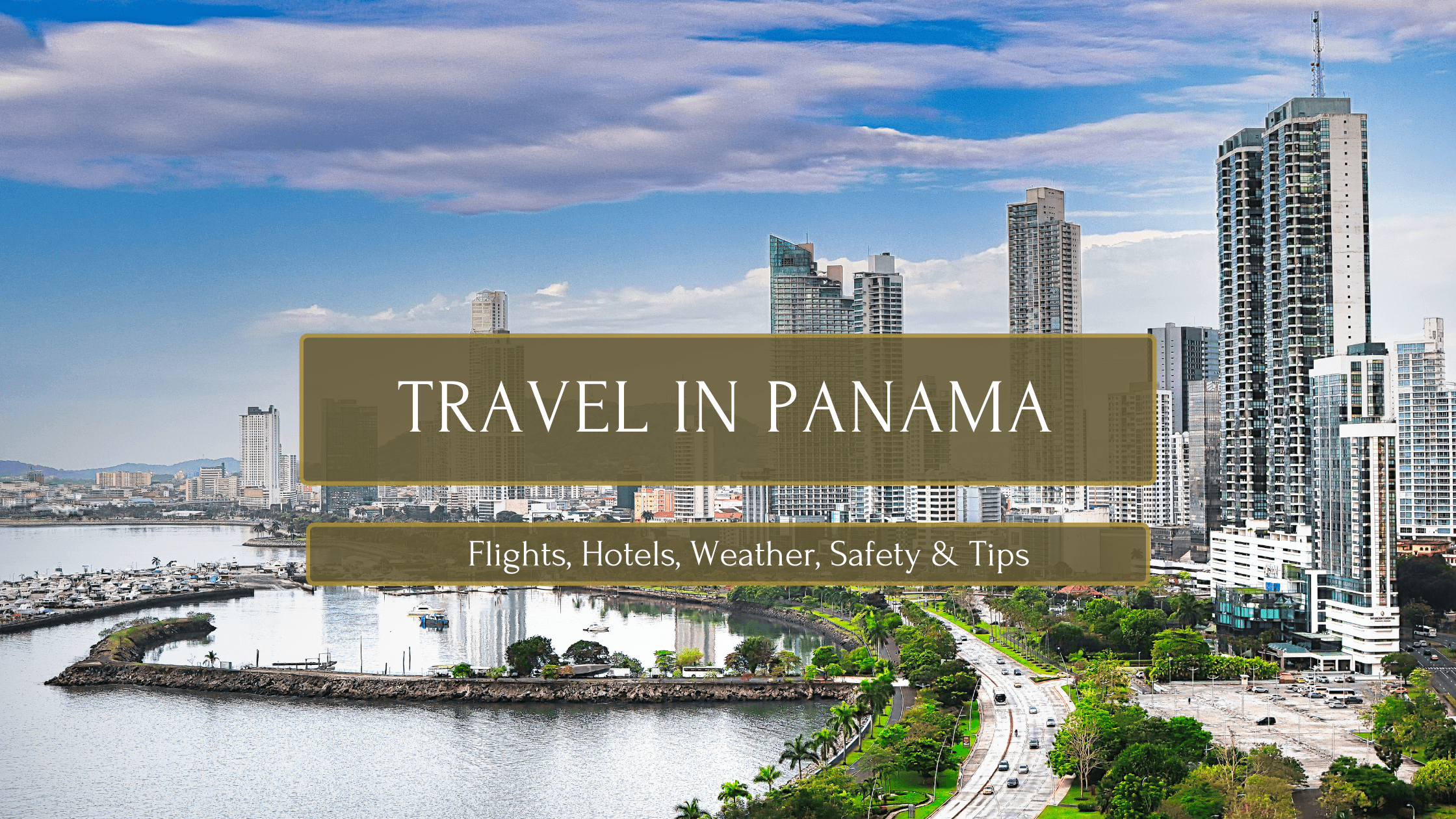
Travel in Panama: Your Complete Guide to Entry, Safety & Places to Visit
Beach Escapes, the Panama Canal, Rainforest Adventure & Resort Experiences
Panama occupies a unique position in Central America as both a gateway and a destination offering exceptional places to visit. Straddling two continents and connecting the Pacific and Caribbean through its engineering marvel of the Panama Canal, Panama delivers cosmopolitan experiences in Panama City, island-hopping through pristine archipelagos, and rainforest exploration. Whether you’re a tourist seeking adventure or planning international travel to Central America, this travel advice covers everything you need before your visit.
Travel in Panama suits independent travellers, families seeking manageable distances, digital nomads needing reliable infrastructure, and budget-conscious explorers. The country balances accessibility with authentic adventure, making it ideal for first-time Latin America travellers.
Quick Facts About Panama
Capital: Panama City
Currency: Panamanian Balboa (PAB); US Dollar (USD) accepted everywhere
Languages: Spanish (official), English widely spoken in tourism and business areas
Time Zone: Eastern Standard Time (EST), year-round
Visas & Entry Stamp: Most visitors from the US, Canada, EU, Australia, and developed nations receive 180 days visa-free upon arrival. Your passport must be valid for six months beyond your intended stay. Immigration officials will issue an entry stamp upon arrival. Check current entry and exit requirements with your country’s embassy in Panama or the Department of State before departure.
Exit Requirements: No exit fees apply. Keep your entry stamp for departure verification.
Plug Type: Type A and B (North American standard)
Budget Range: $30–50 USD daily (budget); $75–150 USD (mid-range); $150+ USD (comfort)
International Travel Advisory: Safety and Security in Panama
Panama is generally safe for tourists exercising reasonable precautions, though safety and security awareness matters. Common traveller concerns centre on petty theft in crowded Panama City areas and certain neighbourhoods. Visitors following standard travel advice—avoiding walking alone after dark, not displaying expensive items, using registered taxis or verified ride-sharing apps—experience minimal issues.
Practical Safety and Security Tips:
Stay in established tourist areas when unfamiliar with the city; use official taxis or ride-sharing rather than hailing taxis on the street; keep valuables in hotel safes; travel in groups after dark; avoid displaying cameras or expensive electronics. The Panama Canal zone, beach resorts, and island communities are exceptionally safe. Many solo female travellers and families explore independently throughout Panama without incident.
Important Travel Advice for Your Protection:
Obtain travel insurance before departure—coverage is mandatory for activities like diving and recommended for medical evacuation. Register with the Smart Traveler Enrollment Program (STEP) through your embassy or consulate for emergency notifications. Monitor local media and heed caution in Panama due to demonstrations or civil unrest. Avoid the Darién Gap region (Colombia border). Keep identification documents and your passport in your hotel safe.
Health & Medical Evacuation:
Private hospitals and clinics in Panama City provide excellent care. Travel health notices recommend vaccinations for certain diseases. Medical evacuation insurance protects against emergency transport costs.
Additional Consular Resources:
The US Embassy in Panama, the Canadian Embassy, and other consular offices provide consular assistance for citizens. Visit the embassy or consulate website or the Department of State website for up-to-date safety and security information before arrival. Residents of Panama and visitors should monitor official government of Panama announcements.
Flights to Panama: Getting There
Panama City’s Tocumén International Airport is Central America’s busiest hub with direct flights from major North American, South American, and European cities. From the United States, frequent direct flights operate from Miami, New York, Los Angeles, and Houston. Flight times from the US East Coast typically run 4–5 hours. From Canada, connections usually route through US gateways.
Flight Booking Tips:
Flight prices are typically lowest during shoulder seasons (May–June, September–October) and outside major US holidays. Booking 4–6 weeks in advance secures better rates. Tuesday and Wednesday departures often cost less than weekends. Set price alerts before committing to dates.
Accommodation: Hotels, Resorts & Places to Stay in Panama
Accommodation spans from backpacker hostels to luxury resorts, with solid mid-range options for families and independent travellers. In Panama City, upscale hotels in Casco Viejo range from $120–250+ USD nightly, while mid-range accommodation runs $70–120 USD. Budget hostels cost $15–30 USD for dorm beds or basic private rooms. Beach resorts and Bocas del Toro accommodation average $40–80 USD for mid-range comfort.
For Different Traveller Types:
Families prioritize location and safety; Casco Viejo offers walkable streets with cultural attractions and easy access to Panama City activities. Bocas del Toro beach resorts provide relaxation and water activities. Solo travellers often choose social hostels in Bocas del Toro or Panama City for community. Digital nomads and remote workers seek furnished accommodation with reliable internet in Panama City or Boquete mountain towns.
Beaches, Rainforest & Places to Visit in Panama
Panama offers exceptional places to visit beyond Panama City. Beach destinations include the San Blas Islands—a UNESCO World Heritage Site with pristine waters and Panamanian indigenous culture—and Bocas del Toro, featuring tropical beaches, island hopping, and water sports. The rainforest environment supports Coiba National Park, protecting endemic wildlife and offering dive sites. El Valle de Antón provides mountain scenery, hiking, and cooler climate relief.
For outdoor activities, national park exploration, and rainforest trekking, the rainy season (May–November) showcases lush landscapes. The Panama Canal UNESCO World Heritage Site remains essential travel advice—book guided canal transit tours for unforgettable views. Beach time suits dry season visits (December–April).
Best Time to Visit: Weather & Seasons
Panama’s tropical climate means warm temperatures year-round. The dry season (December–April) brings sunny skies and reliable conditions—ideal for families, beach activities, and canal transits. January–March represents peak tourist season with premium accommodation pricing.
The rainy season (May–November) brings afternoon downpours and fewer tourists. Prices drop significantly, and landscapes turn lush green. Travel advice: rain typically falls in bursts, leaving mornings clear for activities.
Tourist Travel Advice: Getting Around Panama
Transportation:
Domestic flights between Panama City and Bocas del Toro or Boquete run $100–150 USD return. Buses are reliable and affordable ($5–20 USD) but slower for longer journeys. Within Panama City and other towns, ride-sharing apps, official taxis, and walking cover most tourist needs. Always use registered taxis or the app-based services—avoid hailing taxis randomly on streets. Island hopping uses water taxis and tour boats.
Connectivity:
Mobile phones work with local SIM cards purchased at airports; data packages are competitively priced. WiFi is standard throughout tourist accommodation, restaurants, and Panama City coworking spaces, though speeds vary outside the capital.
Planning Your Trip: How Long to Stay
A one-week itinerary provides time for Panama City exploration, one additional region (Bocas del Toro beach town or Boquete mountains), and rest. Two weeks allow comfortable multi-region travel combining urban, beach, and national park experiences. Digital nomads and remote workers benefit from longer stays establishing Panama City or Boquete bases.
Sample Itinerary:
Arrive in Panama City; spend 2–3 days exploring Casco Viejo, the Panama Canal, museums, and local nightlife. Travel to Bocas del Toro for 3–4 days of island beach exploration and water activities, or substitute Boquete for mountain hiking and outdoor activities. Return to Panama City for final exploration or extended stay.
Important Travel Documents & Entry Requirements
Before Departure:
Your passport must be valid for at least six months. Check entry and exit requirements specific to your nationality. Register with the Smart Traveler Enrollment Program through the Department of State or your country’s embassy. Obtain travel insurance including medical evacuation coverage.
For Families Travelling with Children:
If a child born in Panama holds dual citizenship, consular staff can clarify exit procedures. Carry parents’ identification documents and child birth certificates. International child abduction concerns: custody documentation may be requested by immigration authorities.
Upon Arrival:
Immigration officials will issue an entry stamp. Keep this document for exit the country procedures.
Special Considerations & Travel Advice
Health Precautions:
Travel health notices recommend vaccinations. If bitten or scratched by an animal, seek medical care immediately. Private hospitals and clinics throughout Panama City provide quality treatment.
Legal Awareness:
Drug offences carry long jail sentences. Illegal drugs pose serious risks to your safety and legal status. Avoid any involvement.
Demonstrations & Unrest:
Monitor local media for civil demonstrations. Caution in Panama due to occasional protests; avoid large gatherings. Up-to-date safety and security information comes from your embassy, consulate, or Department of State’s website.
Additional Protections:
Victims of crime should report incidents to Panamanian police and contact your embassy or consulate. Consular assistance is available for emergency situations. Medical evacuation insurance protects against unforeseen health crises.
Smart Planning for Every Traveller Type
Families: Panama City combines culture with safety; Bocas del Toro offers beaches and water activities; Boquete provides mountain relief. Direct flights from North America minimize travel fatigue. Beach resorts cater to family needs.
Backpackers: Bocas del Toro’s strong traveller community, affordable hostels, and island-hopping opportunities suit independent exploration. Casco Viejo offers budget accommodation and local culture immersion.
Digital Nomads: Panama City provides high-speed internet, coworking spaces, growing remote worker communities, and cosmopolitan amenities. The cost of living supports comfortable lifestyle. Extended visa policies work for long-term stays.
First-Time Latin America Travellers: Higher English proficiency than many Latin American destinations eases navigation. Diverse activities (urban Panama City culture, beach, mountain, rainforest, UNESCO sites) within short distances prevent travel fatigue. Established tourism infrastructure supports newcomers.
Frequently Asked Questions: Travel in Panama
Is it safe to travel to Panama right now?
Yes, Panama is safe for tourists who follow standard travel advice and exercise reasonable precautions. While petty theft occurs in crowded Panama City areas, violent crime targeting tourists is rare. The tourist zones—Casco Viejo, beach resorts, Bocas del Toro, and the Panama Canal area—are particularly safe. Monitor local media for civil demonstrations, avoid the Darién Gap region near Colombia, don’t display expensive items, use registered taxis or ride-sharing apps, and avoid walking alone after dark. Register with the Smart Traveler Enrollment Program and maintain contact with your embassy or consulate. Thousands of tourists and digital nomads safely visit Panama annually. Your biggest risks come from petty theft, not organized crime.
What is the best time to visit Panama?
December through April (dry season) offers the most reliable weather, sunny skies, and ideal conditions for beach, rainforest, and Panama Canal activities. January–March represents peak season with premium pricing. For budget-conscious travellers, May–June and September–October provide lower prices and acceptable conditions. Avoid September–October’s heaviest rainfall if planning extensive outdoor activities. The rainy season (May–November) brings lush green landscapes but afternoon downpours. Beach lovers and families typically prefer the dry season, while digital nomads and budget travellers often choose shoulder months for savings.
How much money do you need to visit Panama?
Budget varies by travel style. Budget travellers spend $30–50 USD daily covering basic hostels, street food, and local transport. Mid-range travellers spend $75–150 USD daily for comfortable mid-range accommodation, restaurant meals, and organized tours. Comfort travellers spend $150+ USD daily for upscale hotels, resort experiences, and premium activities. Panama City costs more than Bocas del Toro or Boquete. Travel insurance ($50–200 USD depending on coverage) is mandatory for many activities and recommended for all international travel. A one-week trip typically costs $500–2,000 USD depending on travel style, accommodation choices, and activities selected.
Does Panama accept the US dollar?
Yes, the US dollar is the official currency alongside the Panamanian Balboa. The Balboa and US dollar are used interchangeably at a 1:1 exchange rate. You can use US dollars throughout Panama—in hotels, restaurants, taxis, and shops. No currency conversion is necessary, making travel simpler for American tourists. However, carry both cash and cards: some smaller businesses, markets, and rural areas prefer cash. ATMs are widely available in Panama City and tourist areas. Notify your bank before international travel to avoid card blocks. Credit cards work in most establishments, but always carry cash for taxi tips, small vendors, and establishments without card readers.
Can a US citizen travel to Panama without a passport?
No. US citizens must carry a valid passport to enter Panama. Your passport must be valid for at least six months beyond your intended departure date. A passport card is acceptable for cruises but not for flights or land border crossings. US citizens do not require a visa—you receive a 180-day tourist entry stamp upon arrival. Ensure your passport is in good condition with no damage to the biographical page. If your passport is damaged, expired, or will expire soon, renew it before travel. Allow 6–8 weeks for standard passport processing or pay expedited fees for faster service. Keep your passport safe during your stay, store it in your hotel safe, and carry a photocopy for daily use.