
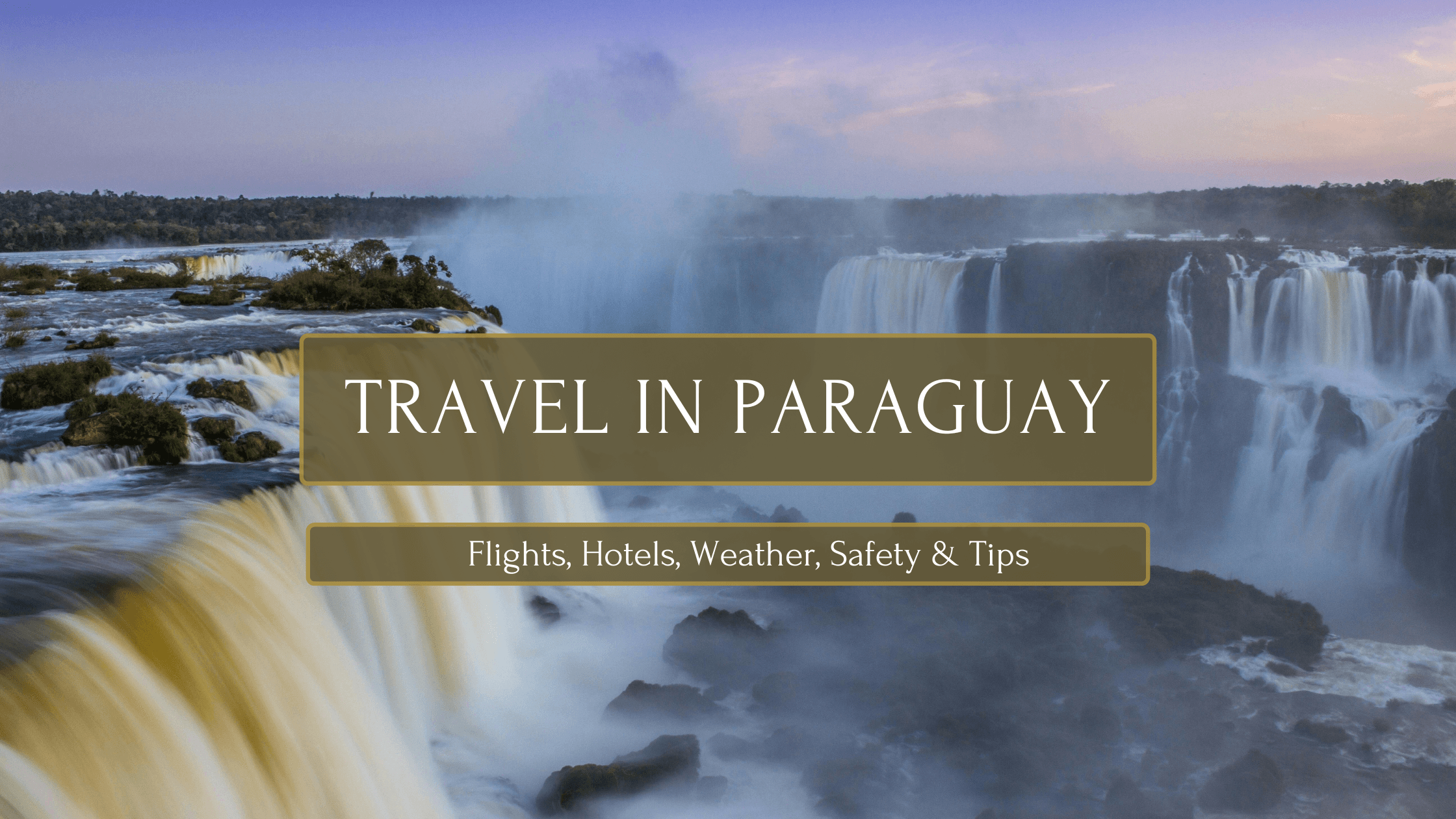
Travel in Paraguay: Complete Travel Information & Advice
Flights, Hotels, Weather, Safety & Tips
Paraguay remains one of Latin America’s most underrated places to visit. Nestled between Brazil, Argentina, and Bolivia, this nation offers diverse landscapes, rich Paraguayan culture, and authentic experiences far removed from crowded tourist circuits. From the Pantanal wetlands to Jesuit ruins and colonial architecture, Paraguay welcomes independent travellers, families, and digital nomads seeking genuine connection without overwhelming tourist infrastructure.
Travel in Paraguay suits diverse visitors. Families appreciate the slower pace, affordable accommodation, and natural attractions. Backpackers find budget-friendly hostels and authentic experiences. Digital nomads discover low living costs and improving connectivity in Asunción. First-time Latin America travellers often find Paraguay less crowded than neighbouring Brazil and Argentina, making it an ideal starting point for regional exploration.
The experience of visiting Paraguay differs distinctly from busier Latin American destinations. Spanish and Guaraní languages coexist in daily life, reflecting a blend of indigenous and Spanish colonial heritage. You’ll encounter genuine hospitality with exceptional value for money across all travel styles.
Quick Facts About Paraguay
Capital: Asunción
Currency: Paraguayan Guaraní (PYG); USD widely accepted
Languages: Spanish and Guaraní
Time Zone: Paraguay Time (PYT), UTC-4
Visa: Citizens of most countries receive 90 days visa-free; check your passport requirements before travel
Plug Type: Type A and C (US and European standard)
Budget Range: USD 30-50 daily for budget travel; USD 60-100 for mid-range; USD 100+ for comfort
Flights to Paraguay & Travel Information
Asunción’s Silvio Pettirossi International Airport is the main gateway. Direct flights are rare; most routes from North America and Europe require connections through São Paulo, Buenos Aires, or other regional hubs.
Flight Routes & Booking:
From the US, connections via Miami or São Paulo are common. European travellers typically route through Madrid or Frankfurt. Regional flights from Paraguay offer shorter travel times. Flights are cheapest during Paraguay’s winter (June-August) and shoulder seasons (March-April, September-October). Book 6-8 weeks ahead for better rates. Using flight comparison tools and setting price alerts helps secure deals. Flexibility with dates often yields significant savings.
Airlines & Travel Agencies:
Multiple airline options serve Paraguay, though major carriers may require partner connections. Journey Latin America and specialised travel agencies offer Paraguay packages alongside broader regional itineraries, though independent booking often provides better rates for flexible travellers.
Hotels, Hostels & Accommodation
Accommodation in Paraguay ranges from budget hostels to mid-range hotels and boutique properties. Unlike larger Latin American destinations, Paraguay lacks massive resort chains, offering more character and local ownership.
By Travel Style:
Backpackers favour hostels in Asunción and Encarnación (USD 15-25 nightly). Private budget hotels cost USD 25-50. Mid-range hotels offering comfort and amenities run USD 50-120. Apartments suit longer stays and families. The Chaco region features unique estancias—working farms offering immersive Paraguayan experiences.
Popular Areas:
Asunción’s Loma district offers upscale options. Centro provides budget accommodation near transport. Encarnación appeals to families with Paraná river views and resort-style amenities. Smaller towns like Concepción and Pedro Juan Caballero offer quieter, authentic experiences. Mariscal areas near Asunción attract mid-range travellers.
What to Prioritise:
Families should seek safety and proximity to interesting places to visit. Digital nomads need reliable internet—strongest in central Asunción. Solo travellers benefit from hostel social atmospheres and local travel advice.
Weather, Seasons & Best Time to Visit Paraguay
Paraguay’s climate divides into two seasons. Summer (December to February) brings hot, humid conditions—often exceeding 32°C—with afternoon thunderstorms. Winter (June to August) offers mild, dry weather (15-25°C), ideal for outdoor activities. Shoulder seasons (March-April, September-October) provide moderate temperatures.
Best Months for Travel:
May to September offers ideal conditions. Winter months (June-August) suit exploring national parks, Pantanal wildlife, and outdoor adventures. Early December marks the beginning of summer heat. August are the coldest months, perfect for comfort-seeking travellers. These months also see fewer international tourists, making sites less crowded.
Weather & Activities:
February are the hottest months—plan indoor activities or water-based adventures. The rainy season (December to February) creates impassable roads in remote Chaco regions. Families with young children prefer May-June and August-September. Wildlife enthusiasts should visit during drier months when Pantanal access improves and visibility increases.
Safety and Security: Travel Advice for Paraguay
Paraguay maintains a moderate safety profile. Unlike some neighbours, Paraguay lacks significant drug-trafficking violence. Petty theft occurs in crowded areas—standard for any Latin American travel destination—but violent crime targeting tourists remains uncommon in populated areas.
Safety Standards & Practical Tips:
Stay aware in crowded markets, bus stations, and downtown Asunción. Avoid displaying expensive cameras, jewellery, or large cash amounts. Use registered taxis or ride-sharing apps after dark rather than street hails. Keep passport copies separate from originals. Avoid discussing valuables with strangers.
Road safety requires attention. Many travellers use buses rather than renting vehicles due to variable road conditions outside major routes. Traffic accidents happen; drive defensively and avoid night driving in remote areas.
Health & Entry Restrictions:
Yellow fever vaccination is recommended if visiting the Chaco or Pantanal regions; check current health regulations. Carry prescription medication in original containers with your passport copy. Travel insurance covering medical evacuation is advisable. Paraguay’s authorities enforce entry restrictions—overstaying your 90-day visa may result in fines. Illegal drugs carry severe penalties; convicted offenders can expect jail sentences and heavy fines.
Child Safety:
Paraguay has international child abduction laws. Understand entry restrictions if travelling with minors not your own.
Things to Do in Paraguay
Asunción & Around:
Paraguay’s capital offers museums, markets, and Jesuit architecture. Day trips include Cerro Corá National Park and nearby estancias. The Mariscal Estigarribia area provides colonial charm.
Encarnación & Paraná Region:
This riverside city offers access to Jesuit missions—UNESCO heritage sites showcasing colonial history. Trinidad and Concepción feature impressive ruins. The Paraná River enables boat excursions toward Iguazu Falls.
Chaco & Pantanal:
The vast Chaco region hosts Mennonite communities, wetland wildlife, and remote estancias. The Pantanal offers exceptional birdwatching and animal spotting. Itaipu Dam—one of the wonders of the world—impresses engineering enthusiasts.
Natural Attractions:
National parks provide hiking, birdwatching, and nature immersion. Cerro Corá and other reserves showcase Paraguayan biodiversity. The Itaipu Dam represents an engineering marvel and one of the largest dams in the world.
Getting Around Paraguay
Long-Distance Travel:
Buses connect major cities affordably. Asunción to Encarnación takes 4-5 hours. Chaco journeys require 6-12+ hours. Comfort varies; mid-range buses offer reasonable amenities.
Urban Transport:
Asunción taxis and ride-sharing apps operate reliably. Walking works during daylight in city centres. Mariscal districts remain pedestrian-friendly.
Connectivity & SIM Cards:
Purchase local SIM cards at the airport with your passport. Data is affordable and reliable in Asunción and Encarnación. Smaller towns and rural Chaco areas may have limited connectivity. WiFi is available at hotels and cafes, though speeds vary.
Who Should Visit Paraguay
Families: Slower pace, affordable costs, natural attractions, and water activities make Paraguay a great place to go for family travel. Healthcare in Asunción is adequate for minor issues.
Backpackers & Budget Travellers: Established hostel networks, ultra-low daily costs, and authentic local interaction appeal to backpackers. Travel within Paraguay stretches budgets considerably compared to neighbouring destinations.
Digital Nomads: Residing in Paraguay offers extremely affordable living. Asunción provides co-working spaces and improving internet infrastructure. Time zones align reasonably with North American schedules.
Adventure Seekers: The Pantanal, Chaco estancias, Jesuit missions, and national parks offer diverse outdoor experiences. Yellow fever vaccination enables access to premium wildlife zones.
Planning Your Paraguay Trip
Duration:
One week covers Asunción and Encarnación comfortably. Ten days allows adding the Chaco or national parks. Two weeks enables deeper regional exploration or combining with Brazil and Argentina.
Sample Itinerary:
Day 1-3: Asunción (museums, local markets, Mariscal exploration). Day 4-6: Encarnación (Paraná river, Jesuit ruins, Trinidad). Day 7-9: Chaco estancia or Pantanal. Optional: Day 10-14: Extend to Brazil (Iguazu Falls) or Argentina.
Entry Requirements:
Check your passport expiration (typically valid 6+ months). Most visitors receive 90 days visa-free. Upon entering Paraguay, immigration will stamp your passport. Before you leave Paraguay, ensure your documentation is complete.
Transportation:
Book buses 1-2 days ahead during peak seasons. Ride-sharing apps work in major cities. Avoid roadside stops at night. Domestic airlines serve remote areas but aren’t essential for typical travel routes.
Health Preparations:
Consult a travel agency or doctor about yellow fever vaccination—especially if visiting the Chaco or Pantanal regions. Risk of yellow fever exists in northern regions. Carry prescription medications with original packaging. Medical evacuation insurance provides peace of mind.
Frequently Asked Questions About Travel to Paraguay
Is it safe to travel to Paraguay now?
Yes. Paraguay maintains stable safety conditions for tourists in popular destinations. Petty theft occurs in crowded urban areas—standard for Latin American travel—but violent crime targeting visitors remains rare. Exercise the same awareness you would in any unfamiliar city: avoid displaying valuables, use registered taxis after dark, and stay in populated areas. Thousands of independent travellers visit Paraguay annually without incident. Road safety requires more caution than personal security; use buses for longer journeys rather than renting vehicles.
Can US citizens go to Paraguay?
Absolutely. US citizens receive 90 days visa-free entry with a valid passport (valid for 6+ months beyond your stay). Upon entering Paraguay, immigration stamps your passport. Before you leave Paraguay, ensure your departure documents are complete. No additional visas or special permits are required for standard tourism. Digital nomads and extended visitors should research temporary residency options if staying longer than 90 days.
Are US dollars accepted in Paraguay?
Yes, USD is widely accepted in tourist areas, hotels, restaurants, and shops throughout Asunción, Encarnación, and major destinations. However, the Paraguayan Guaraní (PYG) is the official currency, and exchange rates favour using local currency for better value. ATMs in cities dispense Guaraní; currency exchange is straightforward at banks and exchange houses. Carrying both currencies provides flexibility.
Do I need a yellow fever vaccine for Paraguay?
Yellow fever vaccination is recommended if visiting the Chaco or Pantanal regions. The risk of yellow fever exists in northern wilderness areas, though transmission in urban Asunción and Encarnación is minimal. Consult your doctor or travel clinic about your specific itinerary. If you plan visiting wildlife-rich zones or estancias in remote regions, vaccination is advisable. Carry proof of vaccination if entering from Paraguay to certain countries afterward.
Is English widely spoken in Paraguay?
English proficiency is lower in Paraguay than neighbouring tourist destinations. Spanish and Guaraní dominate daily conversation. In Asunción’s upscale restaurants and hotels, English speakers are common. Encarnación has increasing English among hospitality staff due to tourism growth. Rural areas and small towns rarely have English speakers. Learning basic Spanish phrases dramatically improves your travel experience. Download translation apps for communication challenges. Hiring local guides ensures smooth communication during excursions.