
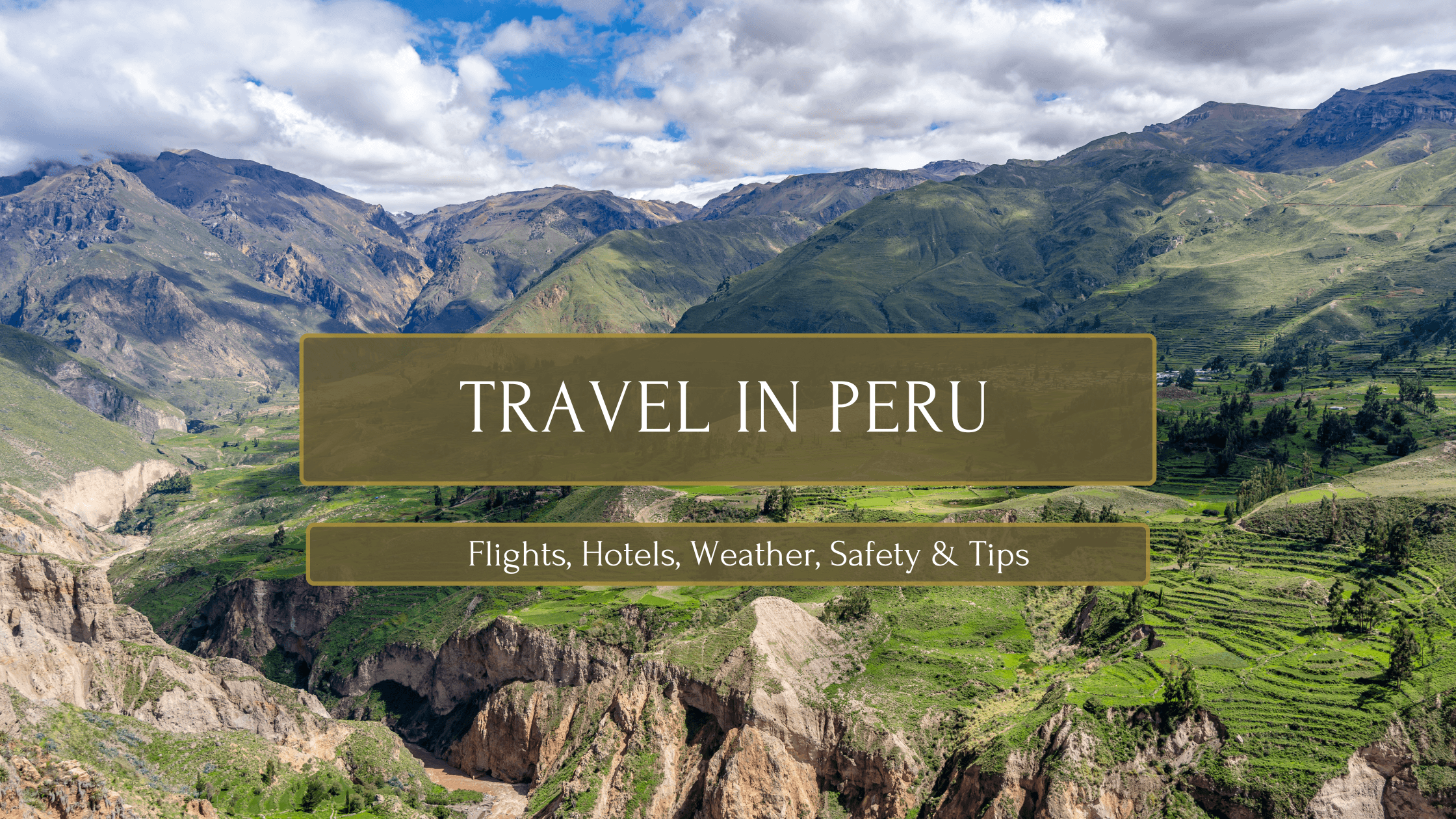
Peru Travel: Complete Guide to Places to Visit
Flights, Hotels, Weather, Safety & Tips
Peru is one of Latin America’s most rewarding destinations, offering an extraordinary combination of ancient history, dramatic landscapes, and vibrant culture. From the iconic mountain citadel of Machu Picchu to the biodiverse Amazon jungle and the coastal deserts of Nazca lines, Peru delivers diverse experiences. Whether you’re trekking through the Andes, exploring colonial cities, or wandering through vibrant markets, Peru appeals to independent travellers, families, digital nomads, and budget-conscious visitors alike.
Quick Facts About Peru
Capital: Lima
Currency: Peruvian Sol (PEN)
Languages: Spanish, Quechua, Aymara
Time Zone: UTC-5, no daylight saving
Visa: 90 days visa-free for most Western nationals
Plug Type: Type A and Type C
Daily Budget: $30–60 (budget), $60–150 (mid-range), $150+ (comfort)
Peru Travel: Why Visit Now
Peru stands as one of the continent’s premier destinations. The country spans the Andes and the Amazon, connecting you with both high mountains and jungle lodges in a single journey. Whether planning a first trip to Peru or returning for deeper exploration, you’ll find archaeological sites, world heritage sites, and natural wonders that define Latin American travel.
Flights to Peru
Lima’s Jorge Chávez International Airport is your primary entry point, with direct flights from North America (5–8 hours) and Europe (12–16 hours with one connection). Domestic flights connect Lima to Cusco, Arequipa, and other regional hubs affordably.
Flight prices drop during June–August and April–May. Book 2–3 months ahead for best rates. Use flight comparison tools and set price alerts.
Lima: Gateway to Peru Travel
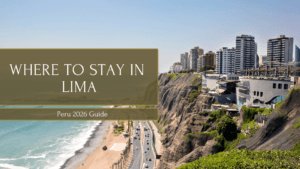
Lima, Peru’s vibrant capital, demands 2–3 days minimum. Explore the historic centre of Lima with its Plaza de Armas and colonial architecture. Miraflores offers restaurants, museums, and Pacific views. Barranco attracts artists and bohemians. The Larco museum showcases Peruvian art spanning centuries.
Lima’s ceviche represents Peru’s culinary identity—fresh fish, lime, and Peruvian spices. Try local pisco in beachfront bars. Stay in Miraflores or Barranco for convenience and atmosphere.
Cusco and the Sacred Valley
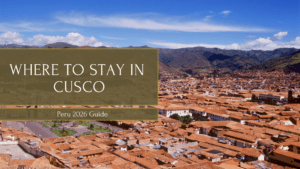
Cusco, the ancient heart of the Inca empire, sits at high altitude (11,000 feet). Acclimatisation is essential. Spend 1–2 days exploring the city of Cusco’s Plaza de Armas, colonial architecture, and Inca stonework before venturing higher.
The Sacred Valley offers gentler altitude and spectacular mountain scenery. Base yourself in Ollantaytambo or Urubamba for 3–4 days. Visit local communities, hike to archaeological sites, and explore Pisac with its terraces carved into mountainsides.
Machu Picchu requires a full day trip from the Sacred Valley or Cusco. This world heritage site demands early starts to beat crowds. Consider overnight stays in Aguas Calientes village for a more relaxed experience.
The Inca Trail is the ultimate trek—4 days through mountain range terrain, cloud forests, and carved stone structures. All trekkers must book through licensed operators; group treks are mandatory. Alternative shorter treks and railway options exist.
Arequipa and Southern Peru
Arequipa, Peru’s second city, offers colonial architecture, Peruvian cuisine, and proximity to natural wonders. The Santa Catalina Monastery showcases Spanish colonial design. Plaza de Armas forms the historic centre.
Colca Canyon lies 3–4 hours from Arequipa. This volcanic landscape is twice as deep as the Grand Canyon. Spot Andean condors soaring at sunrise. The canyon attracts hikers, photographers, and those seeking dramatic mountain scenery.
From Arequipa, reach Lake Titicaca and Puno (4 hours), where you can visit local communities on islands and explore Bolivia’s Titicaca shore.
Northern Peru and Coastal Wonders
Trujillo on Peru’s north coast showcases archaeological sites built by the Moche civilisation. Chan Chan, an adobe archaeological wonder, sprawls nearby. Visit the village of Huanchaco for fresh seafood and local beach culture.
Nazca Lines in southern coastal Peru present one of archaeology’s greatest mysteries—massive geoglyphs visible only from the air. Book a scenic flight for an unforgettable perspective.
Huaraz and the Cordillera Blanca serve trekkers and climbers. Laguna 69 offers a dramatic alpine lake hike. The mountain range attracts those seeking high-altitude adventure. The Santa Cruz trek and Huayhuash circuit challenge experienced hikers.
Places to Visit in Peru: The Amazon Jungle
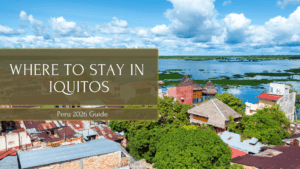
The Peruvian Amazon jungle represents 60% of Peru’s territory. Access via Iquitos or Puerto Maldonado. Stay in jungle lodges and explore by motorised canoe. Spot macaws, pink river dolphins, anacondas, and pink-bodied birds.
The Mantaro river region and river systems offer immersive wildlife encounters. This is prime time to explore Peru’s biodiverse heart.
Altitude and Health Considerations
Altitude affects many visitors. Cusco sits at 11,000 feet; the Sacred Valley at 8,000–9,000 feet. Acclimatise for 1–2 days before strenuous activity. Drink coca tea, stay hydrated, and move slowly. Medication (acetazolamide) helps some travellers.
Travel insurance is essential, particularly for high-altitude trekking and remote Amazon exploration. Ensure your policy covers evacuation.
Weather and Time to Visit Peru
The dry season (May–September) brings crisp, sunny days ideal for trekking and outdoor activities. Peak season is June–July with highest prices and crowds.
May and September offer excellent conditions with fewer tourists. Shoulder months (April, October) provide variable weather at lower costs.
FAQs: Travel in Peru
Is it safe to travel to Peru right now?
Peru is generally safe for tourists who exercise standard precautions. Lima’s main tourist neighbourhoods (Miraflores, Barranco) and the classic tourist circuit (Cusco, Sacred Valley, Machu Picchu) see heavy security and daily visitor traffic without significant incidents. Petty theft remains the primary concern rather than violent crime. Avoid travelling to VRAEM (a remote jungle valley used for drug trafficking) and check current travel advisories before departure. Stick to established routes and licensed operators.
Is Machu Picchu safe for American tourists?
Yes. Machu Picchu is one of Peru’s safest tourist destinations. It’s heavily regulated with controlled access, trained guides, and constant foot traffic. Book through established operators and follow park guidelines. American tourists visit daily without incident.
What is safer, Mexico or Peru?
Safety comparisons depend on specific regions. Peru’s main tourist areas (Cusco, Lima tourist zones) compare favourably to popular Mexican destinations. Both countries require standard travel awareness. Avoid known dangerous areas in either country. The difference is negligible for tourists following precautions.
Is Lima safe for American tourists right now?
Lima’s tourist neighbourhoods are safe. Miraflores and Barranco are well-policed and frequented by tourists. The historic centre of Lima (Plaza de Armas) attracts daily visitors. Avoid displaying valuables, use official taxis or ride-sharing apps, and stay aware of surroundings—as you would in any major city. Most American tourists navigate Lima without issues.
Why is Peru in a state of emergency?
Peru has experienced periods of unrest, historically linked to gang violence, drug trafficking, and infrastructure disruptions rather than threats to tourists. The Shining Path terrorist group operated decades ago; current concerns centre on criminal activity in remote regions tourists don’t visit. Check your embassy’s travel advisories for current conditions affecting your specific route.
How safe is Peru for tourists?
Peru ranks as moderately safe for tourists who stay informed and use common sense. Crime is common in any major city, but targeted tourist crime is relatively rare. Thousands of tourists visit monthly without incident. Stay in established tourist areas, book through licensed operators, and follow local advice.
Are US citizens allowed to travel to Peru?
Yes. US citizens can travel to Peru. A valid passport is required. US citizens receive 90 days visa-free on arrival. Register with the US Embassy before departure for safety updates. Check the US State Department’s travel advisories regularly.