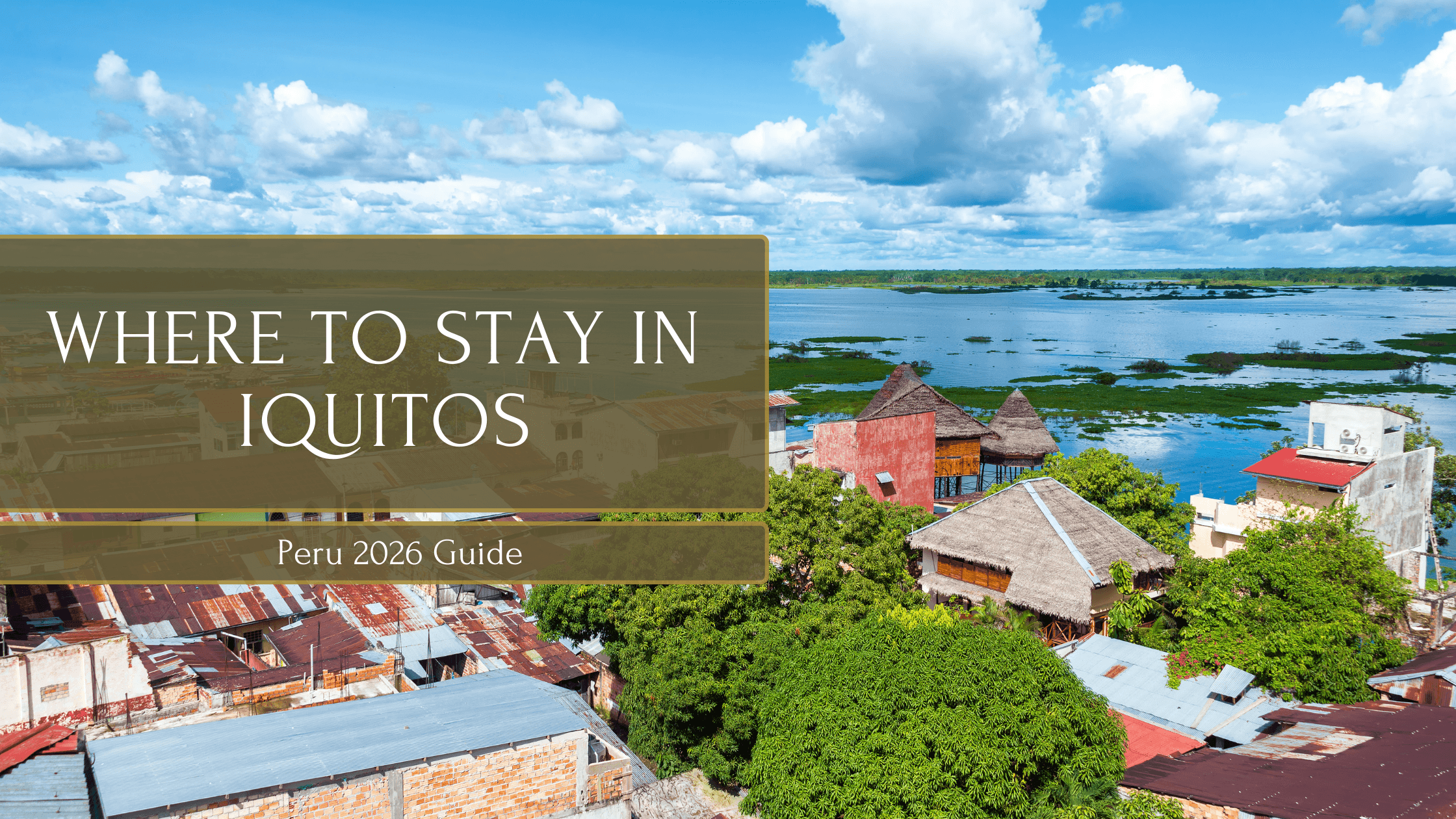
Where to Stay in Iquitos, Peru (2026 Guide)
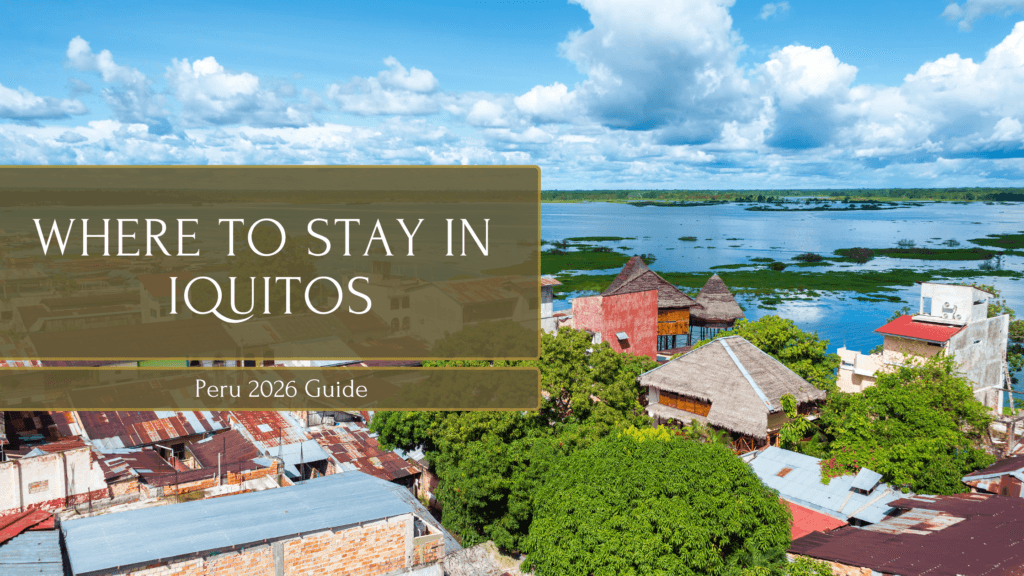
Where to Stay in Iquitos, Peru (2026 Guide)
Iquitos is the largest city in the world inaccessible by road—Peru’s gateway to the northern Amazon. You reach it by plane or boat only.
That isolation makes choosing where to stay in Iquitos critical. You’re not just booking a hotel. You’re picking a base for Amazon jungle excursions, river cruises, and surviving tropical heat. Get it wrong, and you’ll waste time, money, or comfort.
What to Expect in This Post
This guide to where to stay is built for quick scanning and real-world decisions. Here’s what you’ll get:
- A breakdown of Iquitos’ main neighborhoods and which hotels suit different travel styles
- Honest guidance on walkability, safety, and proximity to the Amazon River
- Practical advice on hotels versus hostels and when to book jungle lodges
- Clear answers on areas to avoid and the safest place to stay
- Specific recommendations for nightlife, Peruvian food, and family travel
Where to Stay in Iquitos: Quick Overview
- Plaza de Armas (Main Square) – Tourist hub with mid-range hotels, restaurants, and colonial architecture
- Belén – Colorful floating market district; fascinating but requires caution
- Malecon Tarapaca – Riverfront promenade along the Itaya River with dining and sunset views
- Punchana – Northern district with port access and local markets
- Near Nanay River – Quieter residential area, close to boat departure points for Amazon tours
Plaza de Armas (Main Square) – Best Hotels in Iquitos
Best for: First-time visitors, travelers prioritizing convenience, anyone staying 1-3 nights before or after jungle lodge tours.
The Plaza de Armas is where most tourists stay in Iquitos.
You’re within walking distance of the Iron House with its impressive solid glass and concrete architecture designed by Gustave Eiffel, the Cathedral, restaurants along Boulevard, and the main tourist infrastructure. It’s the most developed area with reliable Wi-Fi, air conditioning, and English-speaking hotel staff at mid-range and upscale properties.
Safety and walkability: Good during the day. The plaza itself is heavily trafficked and generally the safest area in Iquitos, but watch for pickpockets in crowded areas. After dark, stick to well-lit streets near the main square. Avoid wandering into side streets alone.
Vibe: Bustling and tourist-focused. Tuk tuks (three-wheeled mototaxis) swarm the streets, creating constant noise. If you’re sensitive to street sounds, request a room facing away from main roads.
Where you’ll stay: The DoubleTree by Hilton Iquitos overlooks the plaza and is the city’s most reliable 4-star option with air-conditioned rooms with private bathrooms, free WiFi, a swimming pool, and room service. Expect rates around $80-120 per night.
Casa Morey, a restored rubber-baron mansion from 1913, offers boutique charm with period details, a terrace, and a library stocked with Amazonian history. Budget travelers find clean, functional accommodation at smaller 3-star hotels within two blocks of the plaza, some with shared kitchen facilities.
The Hilton is your best bet if you want consistent quality and amenities like cable TV and an outdoor pool.
Malecon Tarapaca (Riverfront) – Where to Stay Near the Amazon River
Best for: Travelers who want river views, easy access to nightlife, and proximity to the Belén Market and Amazon River.
The Malecon Tarapaca is a scenic promenade running along the Itaya River.
It connects the Plaza de Armas to the Belén neighborhood and offers cafes, bars, and restaurants with open-air seating and a vibrant dining area. Locals and tourists come here at sunset to escape the heat. It’s one of the more lively areas for street food and people-watching.
Safety and walkability: Moderately safe. The malecon itself is walkable and generally fine during daylight and early evening. After 10 PM, the area becomes less populated and less secure. Some sections near Belén show signs of poverty—shacks and informal housing by the water.
Vibe: Lively but unpolished. You’ll see families, street vendors, and occasional groups drinking by the river. It’s more authentic Peruvian atmosphere than the sanitized plaza area. When exploring the best neighborhoods in Huaraz, Peru, you can find a rich blend of culture and tradition. Each area reflects the diverse lifestyle of its residents, showcasing vibrant markets and local eateries. Make sure to engage with the friendly locals who are eager to share stories about their community. When considering where to stay in Arequipa, you’ll discover a variety of options that cater to different preferences and budgets. From charming hostels nestled in the historic center to more upscale hotels with stunning views of the surrounding volcanoes, there’s something for everyone. Each accommodation provides a unique perspective on the city’s rich history and culture, making your visit even more memorable.
Where you’ll stay: Small hostels and budget hotels dot the malecon, typically $15-40 per night. They’re often less polished than those near the plaza, but you trade some comfort for location and atmosphere. Most include free WiFi and private bathrooms. Some offer Wi-Fi on terraces overlooking the river—a unique experience at the cheapest rates in central Iquitos.
Belén Neighborhood – Amazon's Floating Market
Best for: Travelers seeking cultural immersion, photographers, and daytime visitors only.
Belén is known for its floating market and stilt houses built over the water during the rainy season. It’s one of Iquitos’ most distinctive neighborhoods—chaotic, colorful, and unlike anywhere else in Peru.
The market sells jungle-grown seeds, medicinal plants, exotic fish, and items used in shamanic rituals. It’s an unforgettable attraction but comes with risks.
Safety and walkability: Moderate risk. According to the U.S. State Department, petty theft like pickpocketing is one of the most common crimes in Iquitos, and Belén sees the highest rates. Visit during daylight hours with a guide or in a group. Do not carry valuables here. Avoid the area entirely at night.
Vibe: Raw and overwhelming. This is not tourist-filtered Iquitos—it’s working-class and unvarnished Amazonian life.
Where you’ll stay: You won’t. Belén is a place to visit, not stay. No hotels or hostels here meet basic tourist standards.
Punchana District – Near Iquitos Airport
Best for: Travelers departing for jungle lodges, budget-conscious visitors, and those avoiding the city center.
Punchana is the northern district of Iquitos, characterized by port activity and the Bellavista-Nanay market. It’s less touristy than the plaza, more spread out, and closer to boat departure points for river excursions and Amazon lodge transfers.
Safety and walkability: Fair. Punchana feels less secure than the city center, especially at night. Most visitors come here for specific purposes—catching a boat to book a jungle tour or visiting local markets—not for leisurely exploration.
Vibe: Local and utilitarian. Fewer English speakers, fewer amenities, more tuk tuks than sidewalks.
Where you’ll stay: Basic guesthouses and budget accommodation catering to domestic travelers and those catching early boats. Expect minimal frills but lower rates—often $10-25 per night. Some properties offer airport transportation to Iquitos Airport, about 10-15 minutes away.
Near Nanay River – Quiet Peruvian Neighborhood
Best for: Travelers seeking quiet, families, and those staying longer than a few days.
The Nanay River area is residential and quieter than central Iquitos. It’s where some locals live and where boats depart for nearby attractions like the butterfly farm at Pilpintuwasi and wildlife excursions into the Amazon rainforest.
Safety and walkability: Good during the day, but isolated at night. The area lacks the foot traffic and commercial density of the city center.
Vibe: Calm and suburban by Iquitos standards. You’ll hear fewer tuk tuks, but you’ll need transport to reach restaurants and tour operators.
Where you’ll stay: Guesthouses like Garden House and small hotels in Iquitos. Some cater to longer-term visitors with amenities like flat-screen TV, dining areas, and room service. You’re trading convenience for peace.
Best Neighborhoods for First-Time Visitors to Perú
Stick to the Plaza de Armas or Malecon Tarapaca.
- Plaza de Armas offers the most hotels in Iquitos, infrastructure, and English-speaking support
- Malecon Tarapaca gives you Amazon River access and dining without sacrificing too much safety
- Both areas are walkable during daylight and close to tour operators for jungle lodge bookings, ATMs, and transport hubs
If you’re only in Iquitos for one or two nights before heading into the jungle, the Plaza de Armas is the obvious place to stay.
Best Area for Nightlife, Food, and Families
Nightlife: Malecon Tarapaca has the most bars and outdoor drinking spots. Expect a casual, tropical vibe—nothing upscale. The plaza area has a few hotel bars, including the one at DoubleTree by Hilton Iquitos, and Fitzcarrald Hotel.
Food: Both the Plaza de Armas and Malecon Tarapaca have the highest concentration of restaurants serving Peruvian cuisine. Try regional Amazonian dishes like tacacho con cecina (fried plantain with pork) or juane (rice and chicken wrapped in leaves). Street food near local markets offers authentic flavors. For reliable quality, eat at restaurants near the plaza or the malecon during evening hours. As you savor these culinary delights, consider exploring the beauty of Machu Picchu. The breathtaking views and rich history of this ancient site add a unique perspective to your travel experience. Make sure to take a guided tour to fully appreciate the stories behind each stone of this incredible wonder.
Families: Plaza de Armas is best for families. Hotels here have air conditioning (critical in jungle heat), reliable water, and easy access to family-friendly attractions. The zoo at Quistococha Park is about 30 minutes away by taxi. Some 4-star properties like the Hilton offer indoor pools and cable TV to keep children entertained.
Hotel vs Hostel: What's Better in Iquitos?
Hotels are better for most travelers in Iquitos.
The city isn’t set up for short-term apartment rentals the way Lima or Cusco are. Hotels in the city center offer air conditioning (non-negotiable in Amazonian climate), secure storage, and tour booking services for Amazon lodge stays and river cruises. Many include breakfast and have swimming pools. When considering where to stay in Lima, travelers should explore options that provide easy access to local attractions and authentic dining experiences. Neighborhoods like Miraflores and Barranco frequently feature a mix of boutique hotels and larger chains, catering to various preferences. Additionally, many accommodations offer unique perks such as guided tours and cultural activities that enhance the overall experience in this vibrant city.
Hostels work if you’re budget-conscious and don’t mind shared spaces. Prices start around $10-15 per night. Some hostels near the plaza offer private bathrooms and free WiFi, making them decent mid-ground options.
If you’re traveling solo or with other backpackers and plan to book a jungle tour through the hostel, this can be the cheapest route. Just verify the tour operator’s reputation—some budget excursions cut corners on safety.
Hotels also provide better amenities for dealing with the rainforest climate: stronger air conditioning, better mosquito protection, and staff who can arrange airport transportation and jungle lodge transfers.
Where NOT to Stay in Iquitos
Avoid staying far from the city center unless you have a specific reason.
The U.K. Foreign Office warns travelers about the Colombia-Peru border area in the Loreto Region due to crime. That’s nowhere near central Iquitos, but it’s worth knowing if you’re planning river travel toward the border.
Within the city:
- Don’t stay in Belén—it’s not the safest at night and lacks tourist infrastructure
- Skip areas far from the plaza without reliable transport access
- Avoid hotels on loud streets unless they promise soundproof rooms (tuk tuks run all night)
- Be wary of budget accommodation near bus terminals or markets—they’re often noisy and less secure
If a hotel seems too cheap (under $15/night in the plaza area), it probably lacks essentials like consistent hot water, strong Wi-Fi, or working air conditioning.
When comparing options on Booking.com, filter for properties with at least 3-star ratings and read recent reviews about cleanliness and amenity quality.
Amazon Jungle Lodges vs Staying in Iquitos
Many travelers visiting Iquitos plan to stay at an Amazon lodge deep in the rainforest.
Jungle lodges range from basic camps to luxury eco-resorts. Most include transport (often by boat), meals, guided excursions, and wildlife viewing opportunities. Prices start around $100 per night and can exceed $300 for upscale lodges with better guides and fewer guests.
Popular lodges are located 1-3 hours by boat from Iquitos along the Amazon River or its tributaries. The dry season (June to October) is best for lodge stays—lower water levels make wildlife spotting easier, and there are fewer mosquitoes.
Should you book in advance? Yes. Booking jungle lodges and river cruises in advance with established operators is safer and often cheaper than booking in Iquitos. Local operators vary widely in quality. Research thoroughly, read Booking.com reviews, and confirm what’s included in the price before committing.
If you’re doing a 3-4 day jungle lodge tour, you’ll typically spend one night in Iquitos before departure and one night after return. That’s when hotels in the Plaza de Armas make the most sense.
Key Takeaways
- Plaza de Armas is the safest and most convenient base for first-time visitors to Iquitos
- Malecon Tarapaca offers Amazon River views and dining but requires more caution at night
- Belén is worth visiting during the day but not for overnight accommodation
- Hotels are more practical than hostels unless you’re traveling on a tight budget
- Air conditioning is essential in Iquitos—verify this amenity before booking any hotel or hostel
- Book jungle lodges and Amazon River cruises with reputable tour operators in advance
- The DoubleTree by Hilton Iquitos and Casa Morey are the best mid-range to upscale options
- Budget travelers should focus on 3-star hotels or hostels within two blocks of the plaza
FAQ
Is Iquitos safe for tourists in 2026?
Yes, Iquitos is generally safe for tourists, though petty theft like pickpocketing is common. The safest areas are around Plaza de Armas and Malecon Tarapaca. Avoid isolated areas at night, use reputable transport, and don’t display expensive items. The city center is safer than outlying neighborhoods.
How many days should I stay in Iquitos before a jungle tour?
Most travelers spend 1-2 nights in the city before or after Amazon lodge stays or river cruises. If you want to explore the city itself—local markets, restaurants, and attractions—plan for 2-3 days total in Iquitos.
What's the best hotel near Iquitos Airport?
The DoubleTree by Hilton Iquitos is about 20 minutes from the airport and offers the most reliable accommodation with airport transportation services. Budget options closer to the airport include hotels in Punchana, but they sacrifice location and amenity quality.
Should I book a jungle lodge from Iquitos or in advance?
Book in advance. While you can arrange Amazon lodge tours in Iquitos, advance booking with established operators is safer and often cheaper. Local operators vary widely in quality. Research thoroughly and confirm what’s included—meals, excursions, guide quality, and transport to and from the lodge.
What's the best time of year to visit Iquitos and stay at an Amazon lodge?
The dry season (June to October) offers better weather for jungle excursions and lower river levels, making wildlife spotting easier. Mosquito activity is also lower. The rainy season (November to May) brings higher water levels, making boat travel easier but limiting some rainforest activities.
Are there good hostels in Iquitos for budget travelers?
Yes. Several hostels near Plaza de Armas offer clean accommodation for $10-20 per night. Look for properties with private bathrooms, free WiFi, and shared kitchens. Some hostels also help arrange budget jungle tours, though quality varies.
Can I take a river cruise from Iquitos to other parts of Peru?
Yes. River cruises departing from Iquitos travel along the Amazon River to destinations like Leticia (Colombia border) and even as far as the Atlantic Ocean over several weeks. Multi-day cruises typically include accommodation, meals, and excursions. Book through reputable operators only—budget river cruises can have safety issues.