Where to Stay in Lima, Peru (2026 Guide)
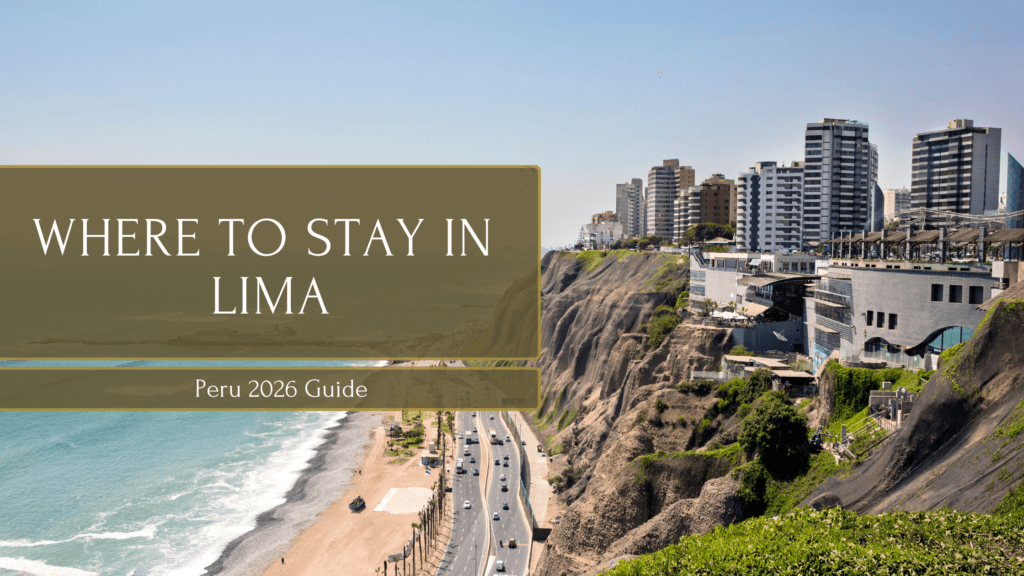
Where to Stay in Lima, Peru (2026 Guide)
Lima sprawls across 50+ districts, and choosing where to stay in Lima can make or break your Peru trip. Exploring the wonders of Machu Picchu is an unforgettable experience, offering breathtaking views and a deep connection to Incan history. Whether you embark on the iconic Inca Trail or take a scenic train ride, the journey to this ancient citadel is just as remarkable as the destination itself. Afterward, you can return to Lima to indulge in its vibrant culinary scene and rich cultural offerings.
Most travellers stick to coastal neighborhoods like Miraflores and Barranco—but there are solid alternatives depending on what you need. This guide breaks down the best areas to base yourself, what each offers, and how to avoid the parts of Lima that don’t make sense for tourists.
What to Expect in This Post
This guide to where to stay is built for quick scanning and real-world decisions. Here’s what you’ll get:
- Quick overview of the best neighborhoods in Lima for visitors
- Detailed breakdowns of each area: safety, vibe, walkability, and accommodation types
- Best hostels and hotels in Lima for different budgets
- Where to stay for nightlife, food, and families
- Miraflores or Barranco: which is better for your trip
- Areas of Lima to avoid or skip
Where to Stay in Lima: Quick Overview of Best Areas
- Miraflores – safest, most walkable, best for first-time travellers
- Barranco – artsy, nightlife-heavy, younger crowd
- San Isidro – upscale, quieter, business-friendly
- Pueblo Libre – local, affordable, museum access
- Historic Center – cultural hub, less polished, daytime-only base
- Callao/Bellavista – emerging, artsy, near airport but grittier
Miraflores: Best Area to Stay in Lima for First-Timers
Miraflores is where most travellers stay, and for good reason.
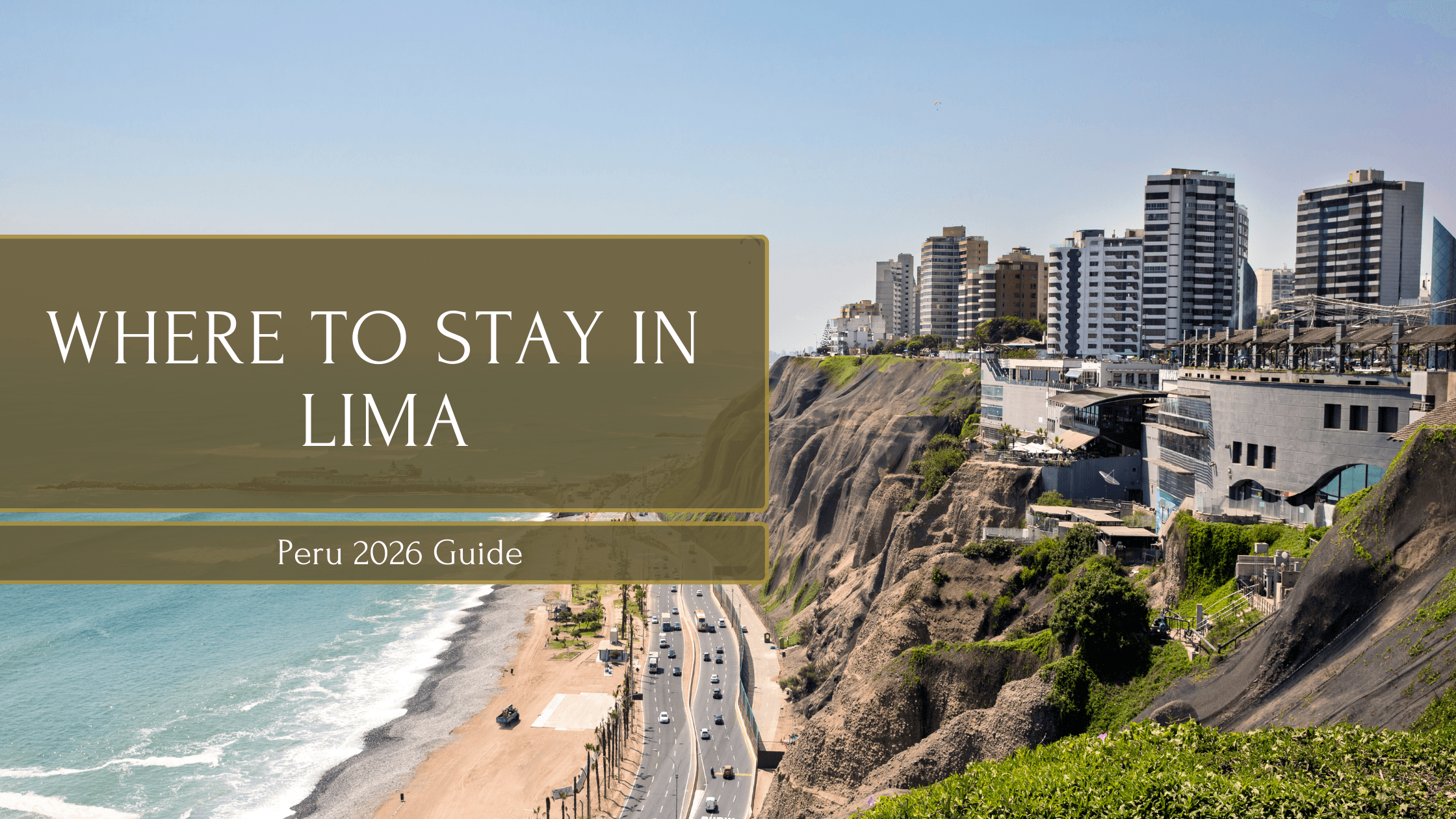
It’s the safest district in Lima, walkable, and packed with hotels, hostels, cafes, restaurants, and parks. The Malecón (coastal boardwalk) runs the length of the neighborhood and offers ocean views, running paths, and paragliding launch points.
Best for: First-time visitors, couples, families, solo travellers, digital nomads
Vibe: Polished, middle-to-upscale, tourist-friendly
Miraflores boasts everything from budget-friendly hostels to luxury hotels. You’ll find plenty of options on Booking.com, from boutique properties to serviced apartments. Kennedy Park is right in the heart of Miraflores—busy, safe, full of street vendors and surrounded by restaurants.
The heart of Miraflores has Peru’s best coffee shops and international dining. Lima Miraflores is home to some of the country’s best restaurants. You can walk to most places, and taxis or Ubers are abundant.
Hotels in Lima Miraflores include the Pullman Lima Miraflores and Hotel Antigua Miraflores, both offering comfort and location. For backpackers, there are several hostels in Lima with dorm rooms and private bathrooms.
Safety is solid day and night. Streets are well-lit, and police presence is visible. It’s one of the few areas in Lima where you can walk around after dark without second-guessing.
Barranco: Best Hostel Scene & Nightlife in Peru
Barranco sits just south of Miraflores and feels completely different.
This is Lima’s bohemian district—colorful colonial homes, street art, live music venues, and a younger, artsy crowd. It’s smaller and more intimate than Lima Miraflores, but nightlife here is unmatched.
Best for: Couples, nightlife seekers, creatives, younger travellers, backpackers
Vibe: Artistic, laid-back during the day, lively at night
Unlike Miraflores, accommodation in Barranco skews toward hostels and boutique hotels rather than chains. Hostel Barranco options include Viajero Kokopelli (often called just Kokopelli by locals), which offers dorm rooms, private rooms with private bathrooms, and a rooftop bar. It’s one of the best hostels in the district.
The Puente de los Suspiros (Bridge of Sighs) is the neighborhood’s iconic landmark. The area around it is packed with bars, galleries, and cafes. On weekends, the streets fill up with locals and visitors bar-hopping.
Each hostel is located within walking distance of the main nightlife strips. For travellers looking to stay in a place with character, Barranco delivers. It’s home to the best rooftop bars and live music spots in Peru.
Barranco is safe, but it’s less polished than Miraflores. Some side streets are quieter and darker at night. Stick to main roads after hours and you’ll be fine.
San Isidro: Luxury & Quieter Accommodation in Lima, Peru
San Isidro is Lima’s most upscale district.
It’s green, quieter than both Miraflores and Barranco, and home to most of the city’s luxury hotels and corporate offices. If you want a relaxing base with high-end Peruvian dining and minimal noise, this is it.
Best for: Business travellers, couples seeking quiet, luxury seekers, digital nomads
Vibe: Refined, residential, low-key
You’ll find international hotel chains here—Westin, Swissôtel, Country Club—plus a handful of boutique hotels. The district is meticulously maintained, with tree-lined streets and private security in many areas.
San Isidro borders Miraflores, so you’re still close to tourist infrastructure. The downside: it’s less walkable to restaurants and nightlife. You’ll rely more on taxis or rideshare to get around.
The district is home to Huaca Huallamarca, a pre-Columbian pyramid you can visit. There’s also El Olivar, a beautiful olive grove park perfect for morning walks.
Safety is excellent. San Isidro has one of the lowest crime rates in Lima, Peru.
Pueblo Libre: Budget-Friendly Place to Stay for Museum Lovers
Pueblo Libre is where you go to see residential Lima without the tourist polish.
It’s a quiet, middle-class district west of the downtown Lima area. The main draw: proximity to Lima’s best museums, including the Larco Museum and the National Museum of Archaeology.
Best for: Budget travellers, museum lovers, those seeking a local feel
Vibe: Residential, low-key, safe but less English-friendly
Hotels and hostels here are smaller, family-run, or budget-friendly. You won’t find luxury chains, but you’ll get lower prices and a more authentic feel. Some places operate as a bed and breakfast. Affordable hostels and guesthouses dominate.
Pueblo Libre doesn’t have the restaurant density of Miraflores, but there are good local Peruvian spots. You’ll eat where locals eat, which often means better value and more traditional food.
Getting to Miraflores or Barranco takes 20–30 minutes by car. The Metropolitano bus system runs nearby, which helps. This isn’t a base for nightlife, but it works if you’re prioritizing museums and budget.
Historic Center: Things to Do in Lima's Cultural Heart
Lima’s Historic Center is a UNESCO World Heritage Site packed with colonial architecture, churches, and plazas.
It’s culturally rich but not where most tourists stay overnight. Downtown Lima is safe during the day but feels less secure after dark. Infrastructure is older, and the neighborhood skews more local and working-class.
Best for: History buffs, short-term visitors, those on tight budgets
Vibe: Gritty, chaotic, historically significant
You’ll find budget hotels and hostels in Lima’s center here, plus a few mid-range options near Plaza Mayor. The area lacks the polish of Miraflores or San Isidro, but it’s walkable and central to major landmarks like the Government Palace, the Cathedral, and San Francisco Monastery.
Most travellers visit the Historic Center on a day trip from staying in Miraflores or Barranco. If you do stay here, be mindful of your belongings and avoid walking around late at night.
The food scene is more traditional and street-food-focused. This is where you’ll find classic Peruvian dishes at lower prices.
Miraflores or Barranco: Which Is Better?
The most common question: should you stay in Miraflores or Barranco?
Choose Miraflores if: You want the safest option, easy walkability, family-friendly parks, and a polished feel. It’s recommended for tourists who value convenience and infrastructure.
Choose Barranco if: You prioritize nightlife, street art, a local feel, and don’t mind slightly rougher edges. It’s better for younger travellers and backpackers.
Both neighborhoods are connected by a 20-minute walk along the Malecón. You can easily visit both during your days in Lima. Many travellers split their stay between the two.
If you’re deciding where to stay in Lima for the first time, Miraflores is the safer bet. If you’ve been to Peru before or want something more bohemian, Barranco wins.
Best Hostels in Lima for Backpackers & Budget Travellers
Lima offers excellent hostel options, especially in Miraflores and Barranco.
Top picks:
Viajero Kokopelli (Barranco) – The hostel offers dorm rooms, private rooms with shared or private bathrooms, and a rooftop bar. Social vibe, nightly events, and a great location for nightlife.
Pariwana Hostel (Miraflores) – Located near Kennedy Park, this hostel is perfect for backpackers who want to be right in the heart of the action. Dorm rooms and private options available.
Flying Dog Hostel (Miraflores) – Budget-friendly with a social atmosphere. Rooms with private or shared bathrooms. Close to the beach and Malecón.
Most hostels in Lima include free breakfast, lockers, and common areas. Check Booking.com for current rates and availability.
Note: This guide contains affiliate links to Booking.com. If you book through them, we may earn a small commission at no extra cost to you.
Best Neighborhoods for First-Time Visitors to Peru
If it’s your first time in Lima, Peru, stick to these:
- Miraflores – safest, most convenient, best infrastructure, one of the best areas overall
- Barranco – walkable, artsy, good nightlife, still safe
- San Isidro – quiet luxury, easy access to Miraflores
These three districts form a connected coastal zone. You can walk between Miraflores and Barranco in 20–30 minutes along the Malecón. San Isidro is just north.
All three have reliable taxis, Uber, and rideshare options. They’re well-patrolled, English is more common, and you’ll have no trouble finding ATMs, pharmacies, or groceries.
Best Area for Nightlife in Lima
Barranco wins for nightlife.
The district has the highest concentration of bars, live music venues, and late-night hangouts. Start at Plaza Barranco and explore the side streets. Popular spots include Ayahuasca, Barranco Beer Company, and La Noche. Many venues have rooftop spaces with views.
Miraflores has nightlife too, but it’s more spread out and skews toward clubs and restaurants. Larcomar, the cliffside shopping center, has a few bars with ocean views and rooftop terraces.
San Isidro is quiet at night. If you’re staying there and want nightlife, head to Barranco or Miraflores. A night in Lima’s bohemian quarter is worth the taxi ride.
Best Area for Food & Peruvian Restaurants
Miraflores and San Isidro lead for high-end dining.
Lima is one of the world’s top food cities, and both districts are home to internationally recognized restaurants. Lima Miraflores has more variety—from street food to fine dining—while San Isidro leans upscale and Peruvian fusion.
Barranco has excellent local spots and emerging chef-driven restaurants. The vibe is more casual and creative. You’ll find everything from cevicherías to third-wave coffee shops.
Pueblo Libre and the Historic Center offer traditional Peruvian food at lower prices. You’ll find fewer international options, but the local food is authentic and well-prepared. Lima offers something for everyone.
Best Area for Families
Miraflores is the best family base.
It’s safe, walkable, and has parks like Kennedy Park and Parque del Amor. The Malecón is perfect for kids to run around, and there are plenty of family-friendly restaurants.
Hotels in Lima’s Miraflores district often have larger rooms and family suites. The neighborhood is easy to navigate, and you’ll have quick access to beaches like Playa Makaha. Many hotel offers include breakfast and kid-friendly amenities.
San Isidro works too if you want a quieter, more residential feel. Barranco is fine for older kids but less practical for families with young children.
Hotels and Hostels: What's Better in Lima?
Both work, depending on your style and budget.
Hotels in Lima offer convenience, daily cleaning, and front desk support. They’re a better choice if you’re moving around frequently or staying less than a week. Mid-range and luxury options are plentiful in Miraflores and San Isidro. Some hotels offer rooftop pools and bars.
Hostels are ideal for backpackers, solo travellers, and those looking to meet people. Dorm rooms keep costs low, while private rooms offer more comfort. Most hostels in Lima have kitchens, laundry, and social spaces.
Apartments give you more space and a kitchen, which helps if you’re traveling with family or staying longer. Airbnb options are strong in Miraflores, Barranco, and Pueblo Libre. Just make sure the building has security or a doorman—this is standard in better buildings.
If you’re staying two weeks or more as a digital nomad, an apartment makes sense. For short trips, a hotel or hostel is easier.
Where NOT to Stay in Lima, Peru
Avoid districts far from the coast unless you have a specific reason to be there.
El Agustino, San Juan de Lurigancho, and Villa El Salvador are residential areas with higher crime rates and little tourist infrastructure. They’re not dangerous in the sense of active conflict, but they’re inconvenient and lack English support.
Callao (the port district) is improving, but it’s still rough around the edges. The La Punta neighborhood in Lima within Callao is safer and has a beachy feel, but it’s isolated from Lima’s main attractions.
The Historic Center is fine during the day for things to do in Lima but not ideal for overnight stays unless you’re on a very tight budget.
If you’re flying in late or leaving early, staying near Jorge Chávez International Airport in Callao can work, but it’s not a sightseeing base.
Key Takeaways: Where to Stay in Lima
- Miraflores is the safest, most convenient choice for first-time travellers
- Barranco offers the best nightlife and artsy vibe, still walkable and safe
- San Isidro is quiet, upscale, and perfect for a relaxing stay
- Pueblo Libre works for budget travellers and museum lovers
- Historic Center is culturally rich but better as a day trip than an overnight base
- Hotels are easier for short stays; hostels work for budget travellers and backpackers; apartments make sense for longer trips or nomads
- Stick to coastal districts (Miraflores, Barranco, San Isidro) for safety and convenience
FAQs: Places to Stay in Lima, Peru
What is the safest area to stay in Lima?
Miraflores and San Isidro are the safest districts. Both have low crime rates, visible police presence, and well-lit streets. Barranco is also safe, though slightly less polished at night. Miraflores is recommended for tourists prioritizing safety.
Is it better to stay in Miraflores or Barranco?
Miraflores is better for first-timers, families, and those prioritizing safety and walkability. Barranco is better for nightlife, art, and a local feel. They’re only 20 minutes apart, so you can easily visit both during your Peru trip.
How many days in Lima should I plan?
Most visitors spend 2–3 days in Lima. That’s enough to explore the Historic Center, eat well, and see the coastal neighborhoods. Add an extra day if you want to visit museums or take a food tour. Lima offers enough things to do to fill 3–4 days comfortably.
Can you walk around Lima at night?
You can walk around Miraflores, Barranco, and San Isidro at night without major issues. Stick to main streets, avoid showing valuables, and use Uber if you’re going far. Downtown Lima and outer districts are best avoided after dark.
Where should I stay in Lima for the first time?
Stay in Miraflores. It’s centrally located, safe, and has the best infrastructure for tourists. You can walk to restaurants, parks, and the ocean. It’s also close to Barranco and San Isidro if you want to explore other neighborhood options in Lima.
Is Lima worth staying in or just passing through?
Lima is worth staying in. The food scene alone justifies a few days, and neighborhoods like Barranco and the Historic Center offer culture and history. Most travellers stay 2–4 nights before heading to Cusco or other regions. There are plenty of things to do in Lima beyond just using it as a transit hub.
Do I need to speak Spanish to stay in Lima?
You don’t need fluent Spanish, but basic phrases help. Miraflores, Barranco, and San Isidro have more English speakers, especially in hotels and hostels. Outside these areas, Spanish is essential. Many hotels and hostels have staff who speak English and can help you travel the world more easily.