
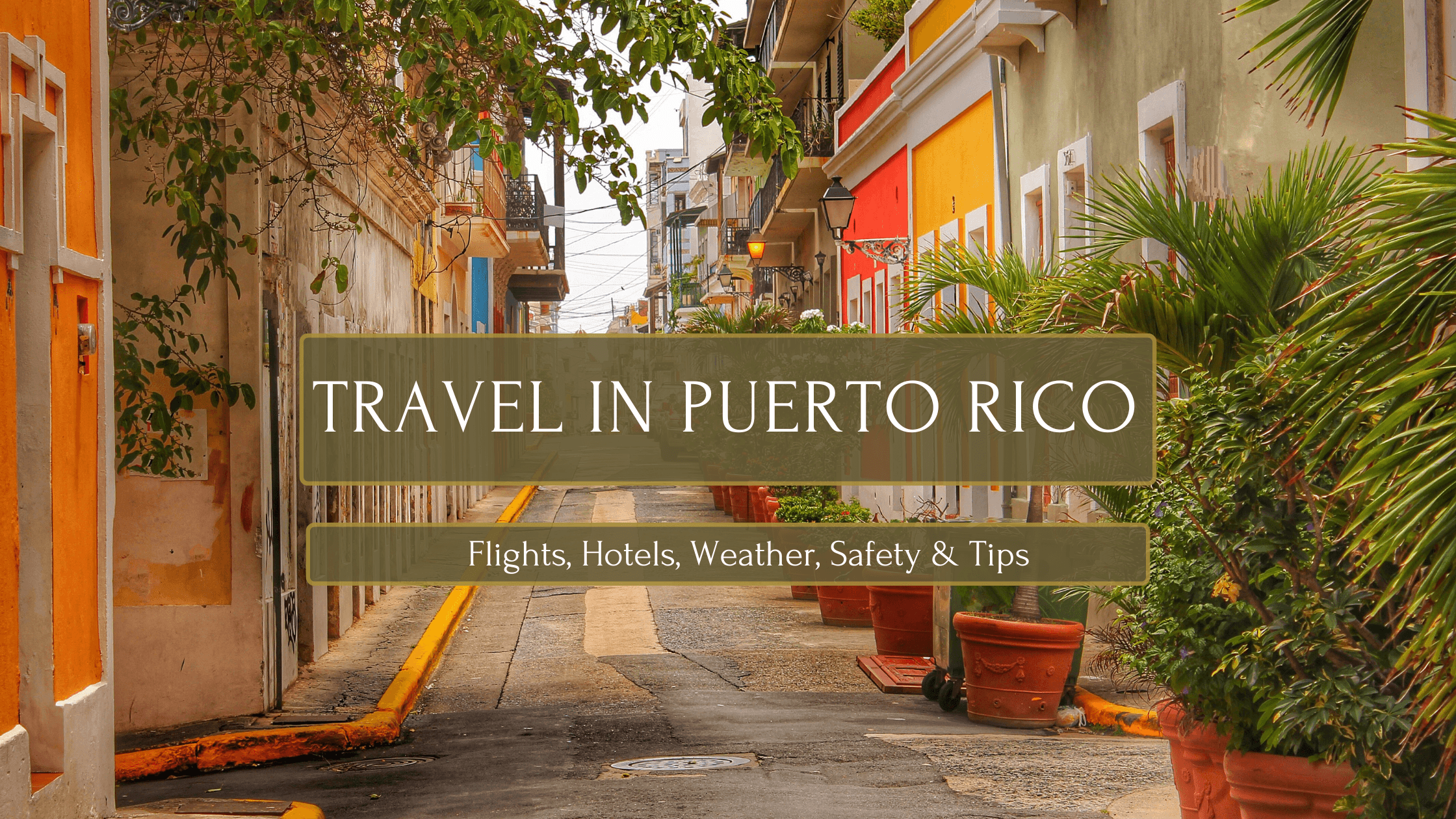
Travel in Puerto Rico: Everything You Need to Know
Flights, Hotels, Weather, Safety & Tips
Puerto Rico is a Caribbean island that blends Caribbean charm with U.S. accessibility. Whether you’re planning a beach escape, rainforest adventure, or cultural immersion, this travel guide covers everything you need to make the most of your trip to Puerto Rico.
The island appeals to independent travellers seeking adventure, families wanting safe Caribbean getaways, digital nomads taking advantage of no visa requirements, and budget-conscious explorers. You’ll experience Spanish colonial architecture in Old San Juan, explore El Yunque’s lush rainforest, discover hidden beach coves, and immerse yourself in local food scene and music—from reggaeton to traditional Puerto Rican rhythms.
Quick Facts About Puerto Rico
- Capital: San Juan
- Currency: U.S. Dollar (USD)
- Language(s): Spanish (primary), English widely spoken in tourist areas
- Time Zone: Atlantic Standard Time (AST, UTC-4)
- Visa: U.S. citizens don’t need a passport for mainland travel, but international visitors need valid passports. Puerto Rico is a U.S. territory
- Plug Type: Type A and B (standard U.S. outlets)
- Typical Budget: $50–100+ daily for budget travellers; $100–200+ mid-range; $200+ comfort
Flights to Puerto Rico: Getting There
Major Gateway: Luis Muñoz Marín International Airport
San Juan’s Luis Muñoz Marín International Airport (SJU) is the primary hub for all international arrivals traveling to Puerto Rico. Located 15 minutes from central San Juan, it’s modern and well-connected.
Flight Routes to Puerto Rico
From the U.S., direct flights serve major hubs including New York, Boston, Miami, Atlanta, and Los Angeles. Flight times from the East Coast run 3–4 hours. From Miami, it’s just 1.5 hours. Regional routes connect Puerto Rico to other Caribbean islands, though connections may be necessary for some destinations.
European flights require one stop—usually Miami, New York, or another U.S. hub—making total travel 8–12+ hours.
Best Travel Tips for Booking
Flights to Puerto Rico are cheapest during summer (June–August) and early autumn. Winter holidays and spring break drive prices up. Mid-week flights typically cost less than weekends. Set price alerts weeks ahead and stay flexible with dates for the best deals traveling to Puerto Rico.
Hotels in Puerto Rico: Where to Stay
Accommodation Types Across the Island
Budget travellers find hostels in San Juan for \$25–50 nightly. Mid-range hotels span $80–180. Comfort resorts and boutique properties reach $180–400+. Vacation rentals offer flexibility for families and longer stays.
Popular Neighbourhoods
Old San Juan combines colonial architecture, history, and nightlife. Condado offers upscale dining and beach access. Santurce delivers a laid-back lifestyle and local culture. Outside of San Juan, coastal towns like Rincon, Vieques, and Culebra provide relaxed beach vibes.
Travel Tips by Visitor Type
Families prioritise safety and proximity to activities—Condado and established resorts fit this profile. Solo travellers benefit from San Juan hostels that facilitate connections. Digital nomads gravitate toward San Juan and metropolitan areas with reliable connectivity.

Weather & Best Time to Visit Puerto Rico
Seasons in Puerto Rico Travel
Puerto Rico’s tropical climate keeps temperatures warm year-round. The dry season runs December through March, offering ideal conditions: low humidity and comfortable 75–85°F weather. Rainfall increases May through November.
Best Months to Visit Puerto Rico
Peak season (December–March) brings perfect weather but higher prices and crowds. April, May, and November offer good compromises. June through August sees heat, humidity, and lower prices. The climate makes winter the ideal time to visit at least once if possible.
Hurricane Season Considerations
September and October coincide with Atlantic hurricane season, though direct hits on Puerto Rico are uncommon. Travel insurance covering hurricane-related disruptions provides peace of mind during this period. Many budget travellers visit during these months for savings.
Is it safe to travel to Puerto Rico now?
Safety Overview for Visiting Puerto Rico
Puerto Rico is generally safe for tourists exercising normal awareness. Millions visit annually to Old San Juan, Condado, and beach areas without incident. The island has stable infrastructure, reliable utilities, and U.S. territory protections.
Travel Tips for Safe Experiences
Avoid displaying expensive items in unfamiliar areas. Use Uber or registered taxis rather than unmarked cabs. Stay on main roads and established routes, especially at night. Travel insurance covering theft and emergencies is wise. Since Puerto Rico is a U.S. territory, healthcare standards match mainland levels.
Puerto Rico is Safe, But Use Common Sense
Gang activity exists in certain neighbourhoods outside tourist zones, but rarely affects visitors staying in established areas. Hurricane Maria recovery efforts continue, though tourism infrastructure is fully operational. Like any destination, awareness trumps paranoia.
Who Puerto Rico Is Best For: Places to Visit & Experiences
For Families
Puerto Rico offers safe, English-friendly Caribbean travel. El Yunque National Forest features easy hikes through rainforest for kids. Bioluminescent bay kayaking and beach exploration appeal across ages. U.S. citizens don’t need a passport for mainland family members.
For Backpackers & Budget Travellers
Hostels cluster in San Juan and coastal towns. Affordable eats, públicos (shared vans), and varied experiences deliver adventure without luxury spending. Vieques and Culebra offer budget-friendly island-hopping.
For Digital Nomads
Reliable internet, U.S. time zones, and growing co-working spaces make Puerto Rico ideal. No visa requirements simplify stays. Around the island, costs remain moderate for remote workers.
For First-Time Latin America Travellers
Puerto Rico delivers cultural immersion—Spanish language, Puerto Rican culture, traditional food scene, music, and customs—within a familiar safety framework. It’s an excellent stepping stone before exploring mainland Latin America.
How many days should I spend in Puerto Rico?
How Long to Stay
Three to five days suits beach trips and Old San Juan exploration. A week allows El Yunque, bioluminescent bays, and coastal towns. Two weeks enable deeper discovery of lesser-known islands and interior villages.
Travel Routes Around the Island
Many visitors base themselves in San Juan, exploring Old San Juan and nearby beaches. Others venture to El Yunque National Forest for rainforest hikes. Outside of San Juan, routes lead south toward Ponce and its colonial charm, east toward Fajardo and beach towns, or west toward Aguadilla’s surf culture.
Getting Around Puerto Rico: Your Way to Get Around
Renting a car provides flexibility across the island. Uber operates in metropolitan areas like San Juan and Condado. Públicos (shared vans) offer authentic, budget-friendly transport. Ferries connect San Juan to Vieques and Culebra for island exploration. Driving in Puerto Rico suits confident drivers; roads are generally good though local styles are spirited.
Essential Travel Tips: Staying Connected
U.S. cell carriers offer coverage without roaming fees. Local SIM cards cost $10–20. Wi-Fi is widely accessible in hotels, restaurants, and co-work spaces across the island.
Top Things to Do in Puerto Rico
Old San Juan & Colonial History
Wander Calle Fortaleza and Calle San Sebastian’s colourful streets. Explore El Morro fort overlooking the Caribbean. Stay updated on local festivals like Fiestas de la Calle San Sebastián in January.
Natural Wonders
El Yunque National Forest offers waterfalls, trails, and rainforest immersion. Three bioluminescent bays light up with boat tours—Vieques or Culebra provide the most accessible experiences. Luquillo Beach and surrounding coastal spots deliver classic Caribbean beach days.
Local Culture & Food
Experience Puerto Rican culture through traditional fried plantains, mofongo, and mashed yuca. Boricuas—Puerto Ricans themselves—welcome visitors sharing their laid-back lifestyle. Santurce’s street art and food scene showcase contemporary creativity. Among locals, reggaeton and salsa define the soundtrack.
Island Hopping
Ferry to Vieques for bioluminescent bay tours and tropical vibes. Culebra offers pristine Flamenco Beach and snorkelling. Both islands maintain relaxed, surfer-friendly atmospheres.
Frequently Asked Questions About Travel in Puerto Rico
1. What is the best month to go to Puerto Rico?
The best months to visit Puerto Rico are December through March, when weather is driest and most comfortable (75–85°F). These peak season months offer perfect conditions for beach days, hiking El Yunque rainforest, and exploring Old San Juan without afternoon downpours.
If you’re budget-conscious, April, May, and November provide excellent compromises—decent weather with fewer crowds and lower prices. June through August brings heat and humidity but the cheapest airfare to Puerto Rico.
Avoid September and October during peak hurricane season, unless you’re flexible with dates and prioritise savings. Travel insurance covering weather disruptions becomes essential during these months.
Bottom line: December–March for ideal conditions; April/May/November for value; avoid September–October unless budget is your priority.
2. Is it okay to go to Puerto Rico now?
Yes, Puerto Rico is safe and ready for visitors. Tourism infrastructure operates normally across the island, with flights, hotels, and attractions functioning reliably. The island has stable utilities, U.S. territory healthcare standards, and good road conditions.
Most travellers experience Puerto Rico safely by exercising standard travel awareness: staying in established tourist areas, using Uber or registered taxis, avoiding displaying valuables, and being mindful after dark—the same precautions you’d take in any city.
If you’re concerned about hurricane season (September–October), current weather forecasting provides advance notice for trip adjustments. Travel insurance covering cancellations and weather disruptions offers additional peace of mind.
Outside of San Juan, beach towns and interior villages welcome visitors regularly. Vieques and Culebra attract thousands of tourists monthly for diving, snorkelling, and laid-back island life.
Bottom line: Yes, Puerto Rico is safe now. Use normal travel precautions and consider travel insurance during hurricane season.
3. What I wish I knew before going to Puerto Rico?
Plan for humidity and rainfall outside dry season. Even in winter, afternoons can be muggy. May–November brings frequent afternoon showers that refresh the landscape but limit beach time.
You don’t need a passport if you’re a U.S. citizen. Puerto Rico is a U.S. territory, so Americans skip immigration entirely. International visitors do need valid passports.
Renting a car gives you freedom, but driving styles are spirited. Local drivers navigate quickly and aggressively. If you’re uncomfortable, Uber in metropolitan San Juan is cheaper and easier than taxis.
Old San Juan is touristy and pricey. While beautiful with colonial architecture and nightlife, it’s crowded and expensive. For authentic Puerto Rican culture, explore Santurce, neighborhoods outside of San Juan, and smaller towns.
Tap water is safe to drink across the island—a rarity in Caribbean travel.
Three bioluminescent bays exist, but Vieques and Culebra offer the most spectacular experiences. Expect boat tours lasting 1–2 hours; book directly with operators rather than through resort concierges for better prices.
Cash is still useful. While cards work widely, some smaller establishments and vendors prefer cash. ATMs are plentiful.
Everything closes earlier than mainland U.S. Restaurants and shops shut by 9–10pm outside San Juan. Plan dinner reservations early.
Food is exceptional but not cheap. Traditional Puerto Rican cuisine—mofongo, alcapurrias, fried plantains—is affordable at local spots but pricier at tourist venues. Seek out restaurants among locals for better value.
Bottom line: Prepare for humidity, skip the passport hassle, embrace Uber or local driving, explore beyond Old San Juan, and expect earlier closing times.
4. What is the law 430 in Puerto Rico? (And other important laws for travellers)
Act 430 (Ley 430) is Puerto Rico’s cybersecurity and identity theft law—not directly relevant to tourists. However, visitors should understand key travelling to Puerto Rico legal basics:
Driving laws: Your valid U.S. driver’s license works in Puerto Rico. Seatbelts are mandatory. Driving in Puerto Rico carries strict DUI penalties matching U.S. standards. Speed limits range 35–65 mph depending on roads.
Drug laws: Possession of any illicit substances carries severe penalties, including potential imprisonment. Puerto Rico enforces strict drug laws.
Alcohol laws: Drinking age is 18 (lower than mainland U.S.). Open container laws apply—don’t drink alcohol outside bars or designated areas. Beaches technically prohibit alcohol, though enforcement varies.
Passport requirements: U.S. citizens don’t need passports entering Puerto Rico from the mainland, but international visitors must carry valid passports at all times.
Rule 22 and Rule 60 (both referenced in search queries) don’t exist as binding traveller laws. These appear to be urban legends or misunderstood local customs. Stick to normal courtesy and respect for local culture.
Bottom line: Understand driving, drug, and alcohol laws; carry ID at all times; follow standard legal practices you’d follow anywhere.
5. What not to do when visiting Puerto Rico?
Don’t wear expensive jewellery or flash valuables in unfamiliar areas, especially outside San Juan. Petty theft happens in crowded places like other major cities.
Don’t hike El Yunque alone at night or in remote sections. Trails are popular and safe during daylight but risky after dark. Go with tour groups for bioluminescent bay kayaking rather than attempting solo exploration.
Don’t assume everyone speaks English, particularly outside tourist zones. Learn basic Spanish phrases (“¿Dónde está…?” = Where is…?) and download translation apps.
Don’t disrespect local culture or history. Puerto Rico’s indigenous Taíno heritage, Spanish colonial past, and Caribbean identity are sources of pride. Avoid stereotyping or treating the island as a theme park.
Don’t drive unfamiliar roads alone at night. Use Uber or arrange transportation in advance for evening activities.
Don’t ignore hurricane season warnings from September–October. While direct hits are rare, monitor forecasts and carry travel insurance.
Don’t overlook smaller towns for authentic experiences. Spending your entire trip in Old San Juan misses 90% of Puerto Rican culture. Venture outside of San Juan to Ponce, Fajardo, Rincon, and rural areas.
Don’t expect everything to operate on mainland U.S. schedules. Shops close earlier. Services move slower. Embracing the laid-back lifestyle makes trips more enjoyable.
Don’t forget to try traditional Puerto Rican food. Seek out small family-run restaurants serving mofongo, alcapurrias, and fried plantains rather than chain restaurants.
Don’t leave valuables unattended in rental cars or on beaches, even briefly.
Bottom line: Use common sense, respect local culture, embrace the slower pace, and venture beyond Old San Juan for authentic island experiences.