
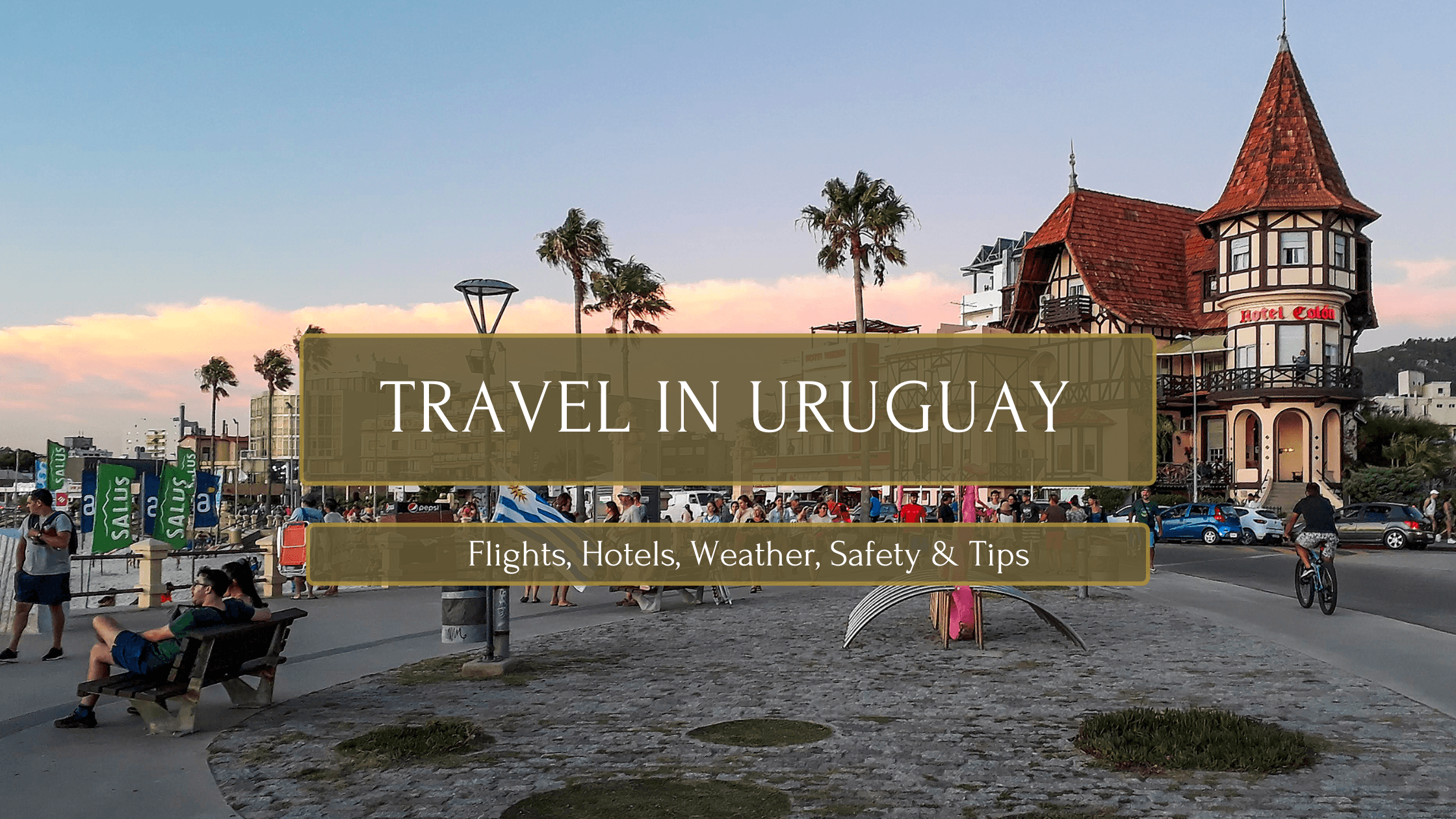
Travel in Uruguay: Complete Travel Guide for International Travel
Flights, Hotels, Weather, Safety & Tips
Uruguay stands out as South America’s most underrated destination. This compact country offers European charm, pristine beaches, world-class vineyards, and genuine relaxation—ideal for independent travellers, families, digital nomads, and budget-conscious explorers across Latin America.
Whether you’re drawn to Montevideo’s bohemian energy, Punta del Este’s laid-back beach scene, the UNESCO heritage town of Colonia del Sacramento, or inland rural estancias, your Uruguay travel experience will feel authentic. The reasons to visit are compelling: exceptional safety, reliable infrastructure, and beaches that rival destinations at double the cost. You won’t find hard-sell tourism here—just Uruguayans, quality of life, and landscapes ranging from Atlantic coastlines to rolling hills.
This travel guide covers everything: flights, hotels, beaches, weather, safety, and practical tips to build your perfect itinerary.
Quick Facts About Uruguay
Capital City: Montevideo
Currency: Uruguayan Peso (UYU)
Language: Spanish (Portuguese influence from Brazil and Argentina)
Time Zone: UTC -3 (year-round)
Visa Overview: US, UK, Canadian, Australian, and EU citizens receive 90-day tourist visas on arrival. Passport valid for 6+ months required.
Plug Type: Type I (two flat parallel pins). Voltage: 220V.
Budget Range: USD 40–80/day (budget); USD 100–200/day (mid-range); USD 200+/day (comfort).
Travel Health & Insurance: No required vaccinations; travel insurance recommended. Healthcare is excellent.
Flights to Uruguay: Getting to South America's Safest Destination
Carrasco International Airport (MVD) near Montevideo is your gateway. It’s modern, efficient, and increasingly serves direct flights.
Routes & Options:
From North America: Miami to Montevideo (9–10 hours direct). Connections through Buenos Aires or São Paulo often cost less but add 5–8 hours.
From Europe: Most routes connect through Argentina and Brazil before reaching Montevideo (16–22 hours total). Direct flights are limited.
From South America: Rio, São Paulo, Buenos Aires, Santiago, and Brasília all connect to Montevideo. Buenos Aires to Montevideo is a popular 1-hour flight or 2–3 hour ferry crossing—excellent for Argentina and Uruguay combinations.
Best Times to Book: Shoulder seasons (April–May, September–November) offer cheaper fares than December–February summer peak. Book 6–8 weeks ahead for deals.
Pro Tip: Consider ferry routes from Buenos Aires to Montevideo. This journey across Río de la Plata adds adventure and connects two major South American capitals.
Hotels in Uruguay: Where to Stay for Every Budget
Your Uruguay travel accommodates every style and budget level.
Accommodation Types:
Hostels (USD 25–40/night) cluster in Montevideo, Punta del Este, and Colonia del Sacramento—social, clean, perfect for solo tourists. Mid-range hotels and posadas (USD 70–130/night) offer comfort in central locations. Luxury resorts dominate Punta del Este and inland rural retreats. Apartment rentals (USD 60–150/night) suit families and extended stays. Estancia Vik and similar rural properties provide gaucho experiences.
Where to Stay:
Montevideo’s Ciudad Vieja offers historic architecture and walkability. Pocitos feels residential and close to beach. Punta del Este is the resort destination—pricier, busier, and family-friendly. Colonia del Sacramento is UNESCO-listed charm (1–2 day escape). José Ignacio appeals to those seeking laid-back coastal luxury.
By Travel Type:
Families: prioritise beaches, restaurants, reliable facilities. Hostels with private rooms and kitchens offer value. Solo travellers: choose social hostels for connection. Couples: boutique hotels in Colonia or rural retreats provide romance. Digital nomads: Montevideo and Maldonado offer stable, fast WiFi.

Seasons & Weather: Best Time to Visit Uruguay
Uruguay’s temperate climate makes it accessible year-round.
Summer (December–February): Warm (70–85°F), beaches peak, tourism peaks. Accommodation books fast; prices spike. Perfect for beach lovers tolerating crowds.
Autumn (March–May): Mild (55–70°F), fewer tourists, excellent value. Ideal for hiking and wine tourism.
Winter (June–August): Cool (45–55°F), occasional rain, minimal crowds. Budget-friendly but short daylight.
Spring (September–November): Mild (55–75°F), manageable crowds, perfect for outdoor activities. Best overall season.
Best Months: October–November and April–May deliver ideal weather and tourism balance.
Safety in Uruguay: Honest Assessment for Travellers
Uruguay ranks South America’s safest destination—comparable to European cities.
Reality Check: Violent crime targeting tourists is rare. Petty theft (pickpocketing) occurs in Montevideo crowds but remains uncommon. Most travellers experience zero incidents. Neighbourhoods vary—tourist zones and residential areas are secure; certain suburbs warrant caution.
Travel Advisories: Stay alert to surroundings, avoid unfamiliar streets late at night, use official taxis or apps, keep valuables secured. Your primary risk is road accidents, not crime.
Common Concerns Addressed: Downtown Montevideo feels safe during daylight, especially in Ciudad Vieja and along the waterfront. Avoid displaying expensive items. Don’t wander drunk in unfamiliar areas—standard urban caution applies everywhere.
Who Should Visit Uruguay: Your Reasons to Visit
Families: Safe, compact, reliable infrastructure, calm beaches, quality of life comparable to North American standards.
Beach Lovers: Atlantic coastlines at Punta del Este, José Ignacio, and Cabo Polonio; plus quieter options inland.
Wine Enthusiasts: Tannat vineyards throughout Canelones and San José regions. Wine tourism thrives here.
Outdoor Adventurers: Horseback riding on estancias, surfing, road trips, hiking rolling hills.
Cultural Explorers: Neoclassical Teatro Solís, street art galleries, sculpture parks, Carnival celebrations.
Digital Nomads: Montevideo offers reliable internet, affordable co-working, quality steakhouses, and cafés.
Budget Travellers: South America without extreme bargaining; excellent value relative to developed countries.
Building Your Uruguay Travel Itinerary
3–4 Days: Montevideo highlights + day trip to Colonia del Sacramento.
7 Days (Classic): Montevideo (3 days) → Colonia (1 day) → Punta del Este (3 days).
7 Days (Wine Route): Montevideo → Canelones vineyards → Colonia → return to capital.
10–14 Days: Montevideo → wine regions → Colonia → Punta del Este → José Ignacio → inland estancias.
Road Trip: Rent a car/motorcycle and explore at your own pace. Highways connect major destinations efficiently.
Multi-Country: Combine Uruguay with Argentina (Buenos Aires via ferry) or Brazil. South America is accessible when you base in Uruguay.
Getting Around: Transport & Connectivity
Within Cities: Montevideo buses cover the entire capital cheaply. Ride-sharing apps operate in major destinations.
Between Towns: Long-distance buses are comfortable, reliable, and affordable. Ferries connect Montevideo to Colonia (1 hour) and Buenos Aires (2–3 hours).
Car Rental: Straightforward in Montevideo. Drive yourself to rural estancias, vineyards, and coastal retreats.
Connectivity: Prepaid SIM cards (USD 10–20/month) provide excellent mobile data. WiFi is standard in hotels, hostels, and cafés throughout the country. Coverage is reliable in urban and beach areas.
Frequently Asked Questions: Your Uruguay Travel Concerns Answered
Is it safe to travel to Uruguay now?
Yes. Uruguay ranks as South America’s safest destination with low violent crime rates and reliable infrastructure. Petty theft occurs occasionally in Montevideo crowds, but tourist areas remain secure. Standard urban precautions apply. Most travellers experience zero safety incidents. Travel health risks are minimal—no required vaccinations. Your biggest risk is road accidents rather than crime.
Is Uruguay good for Americans?
Absolutely. Uruguay is exceptionally welcoming to North American travelers. US citizens receive 90-day tourist visas on arrival. English is spoken in hotels, restaurants, and tourist zones (though Spanish helps in remote areas). The country is America-friendly politically, infrastructure mirrors North American standards, and many North American travelers choose Uruguay for its safety and reliability. Quality of life comparisons are favourable.
Is Uruguay worth visiting for tourists?
Definitely. Uruguay offers exceptional value compared to developed nations. You get European-quality infrastructure, South American authenticity, and beaches without the tourist crowds of Peru or Mexico. Wine tourism thrives here. Montevideo rivals Buenos Aires for culture at lower prices. If you seek relaxation, safety, and genuine experiences without hard-sell tourism, Uruguay delivers. Most tourists rate it highly and return.
Can I speak English in Uruguay?
English is spoken in tourist areas, hotels, restaurants, and shops in Montevideo and Punta del Este. However, English proficiency is lower than in Argentina or Brazil. Outside tourist zones and in rural areas, Spanish becomes essential. Learning basic Spanish phrases before arrival is recommended. Your hotel can provide translation support. Many Uruguayans appreciate efforts to speak Spanish, even simple attempts.
How much can $100 get you in Uruguay?
USD 100 covers approximately 2–3 days of budget travel. One night in a mid-range hotel (USD 70–90) leaves USD 10–30 for meals and activities. Budget hostels (USD 25–40/night) stretch it further. Meals at casual restaurants cost USD 10–15. Wine is affordable (USD 5–10 per bottle). Attractions and transport are inexpensive. USD 100 works as a daily budget for budget-conscious travellers but requires careful choices. Mid-range comfort requires USD 150–200 daily.