Where to Stay in Montevideo, Uruguay (2026 Guide)
Where to Stay in Montevideo, Uruguay (2026 Guide)
Montevideo isn’t typically the first Latin American city travelers mention, but it should be. Uruguay’s capital is walkable, safe, and full of independent bookstores, late-night cafés, and grilled meat that’ll change your standards. The city sprawls across a coastline facing the Río de la Plata, and where you stay shapes whether you’re chasing European architecture or beach relaxation.
Choosing the right neighborhood in Montevideo matters more than you’d think. A few blocks can mean the difference between a quiet street lined with galleries and the bustle of downtown traffic. This guide cuts through the options and tells you which places to stay work for different travelers—without the promotional noise, focusing on the best hotels in Montevideo.
What to Expect in This Post
This guide to where to stay is built for quick scanning and real-world decisions. Here’s what you’ll get:
- A real breakdown of Montevideo Uruguay’s main neighborhoods for tourists
- Which areas are safest and most walkable for first-time visitors
- How to choose between boutique hotel, apartment, and alternative accommodation
- Where nightlife, food, and family-friendly rooms and suites concentrate
- A straightforward look at which neighborhoods to avoid is essential for a safe experience in this vibrant capital of Uruguay.
- FAQs on safety, transport, and neighborhood vibes highlight the best area to stay for different types of travelers.
Where to Stay in Montevideo: Quick Overview
- Ciudad Vieja – Historic old town, colonial streets, museums, port area charm
- Pocitos – Modern, upscale, with the best beaches and international restaurants, this vibrant capital of Uruguay features rooftop bars.
- Parque Rodó – Artsy, local vibe, quieter, parks, museums, fewer tourists
- Punta Carretas – Trendy, dining scene, walkable, middle-ground energy
- Centro – Business hub, downtown density, good transit, urban core
- Carrasco – Residential beach area, upscale, elegant, with a local flavor that attracts visitors from Argentina.
Ciudad Vieja: Historic Old Town Hotels
Best for: History lovers, first-time visitors, photographers
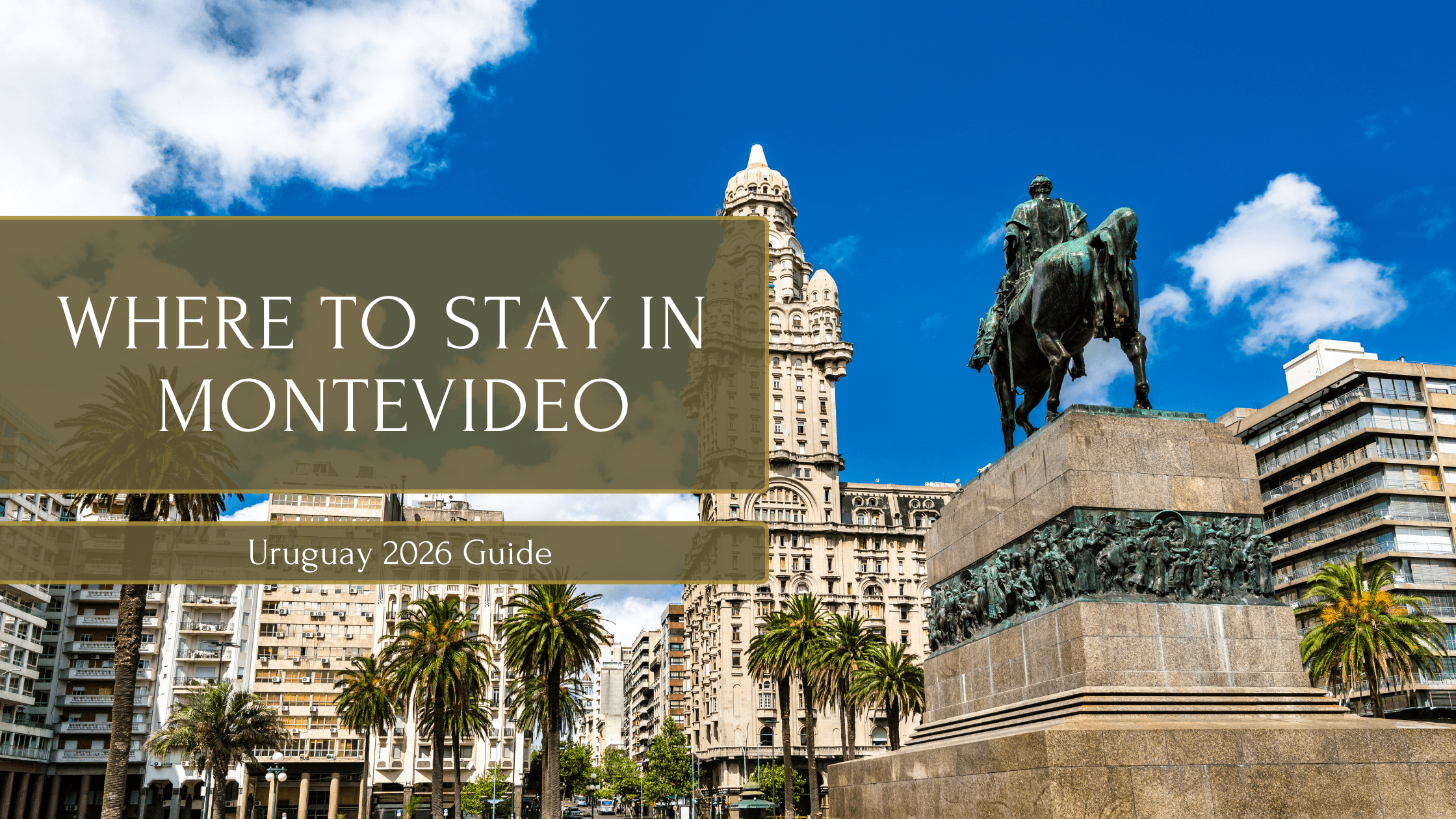
Ciudad Vieja is Montevideo’s most atmospheric neighborhood. Narrow cobbled streets, pastel colonial buildings, and the Plaza Independencia create a European vibe that justifies photos. The Teatro Sólis sits here, as do street-level museums, galleries, and tango bars. Safety is good on main streets and tourist routes, particularly during daylight hours. Many visitors consider this the best place to experience authentic Montevideo.
A hotel in Montevideo’s old town puts you steps from the waterfront and within walking distance of the Palacio Municipal. Boutique hotel options dominate; larger chains are scarce. Rooms feature character over corporate uniformity. Nightlife concentrates around Pérez Castellano street—lively but not rowdy.
The main trade-off: prices are tourist-oriented, and quiet pockets can feel empty after dark. But for atmosphere, ciudad vieja in Montevideo Uruguay delivers unmatched charm among places to stay.
Pocitos: Beach Hotels & Modern Living
Best for: Beach seekers, upscale travelers, couples
Pocitos is Montevideo’s answer to a modern seaside neighborhood. A promenade runs the length of the best beaches, backed by apartment buildings, international restaurants, and younger crowds. Hotels here lean upscale: chains, design-conscious boutique hotel properties, and furnished apartments. Rooftop pools and floor-to-ceiling windows are standard at better properties.
You’ll find English-friendly cafés, yoga studios, and boutiques. Safety is high and walking is easy along the coast and avenue corridors. A hotel in Pocitos means beach access and contemporary comfort. The neighborhood is clean, predictable, and international—ideal if you want zero friction on day one.
The downside: Pocitos feels less Uruguayan than other areas, especially compared to its vibrant counterparts. It’s also farther from the historic old town (though buses are cheap). Restaurants and hotel rates cost more than inland neighborhoods.
Parque Rodó: Local Charm & Value
Best for: Independent travelers, artists, families with kids
Parque Rodó sits south of downtown and functions as Montevideo’s cultural quiet zone. A large park anchors the neighborhood, surrounded by galleries, bookshops, and local restaurants that cater to residents, not tourists. The Museum of Contemporary Art is here. Buses connect easily to other zones.
This neighborhood boasts genuine walkability and creative energy without tourist-trap markup. You’ll find backpackers and digital nomads here, plus families on weekends. Hotel options and apartments offer excellent value—among the best places to stay for budget-conscious travelers in Montevideo.
The vibe is bohemian without trying. Safety is good on main streets. Indoor museums and covered cafés provide rainy-day options. The main con: it’s less polished than Pocitos, and some restaurants close earlier.
Punta Carretas: Food & Contemporary Vibes
Best for: Foodies, contemporary travelers, mixed groups
Punta Carretas sits between the bustle of downtown and Pocitos. It’s become the city’s go-to neighborhood for young professionals and food tourists. A converted prison houses the shopping district, but the real draw is the vibrant restaurants and bars on Garcia and nearby avenues. This is where to stay if food matters to your trip.
A hotel in Punta Carretas puts you in the heart of the restaurant scene. Walkability is high in the best area to stay for exploring Montevideo. Safety is solid. The neighborhood feels accessible without being theme-parked. You’ll find design hotels, local guesthouses, and short-term apartments with all the furnishing and amenities you need. Rooms range from casual to elegant, at prices between budget and upscale.
The neighborhood is fashionable, which means it fills with tourists during peak season from November and February. It’s also newer and less historically interesting than ciudad vieja.
Centro: Downtown Essentials
Best for: Budget travelers, those prioritizing transport, business visitors
Centro is Montevideo’s busy core. Pedestrian avenues, buses, and dense urban fabric define downtown. Hotels here tend toward budget chains and mid-range properties. Walk around 18 de Julio, and you’ll find shops, street food, and constant foot traffic. It’s functional and efficient.
A hotel in the heart of downtown means instant access to transit. Walkability is excellent for getting around, though the energy is utilitarian rather than charming. Transport connections to everywhere in Montevideo are immediate.
Centro doesn’t offer much atmosphere for leisure trips, but if you’re transiting or need cheap accommodation, it works. Many travelers skip downtown in favor of nearby Parque Rodó or ciudad vieja.
Carrasco: Upscale Beach Residential
Best for: Luxury seekers, families, longer stays
Carrasco sits east along the coast and boasts upscale residential character. This is where elegant apartment buildings and boutique hotel properties serve travelers seeking refinement away from Pocitos’ intensity. A stroll along the waterfront reveals tree-lined avenues and spacious properties. The lighthouse here offers sunset views over the Río.
Accommodations in Carrasco skew higher-end: spa facilities, rooftop lounges, and rooms with stunning views of the water are standard. Safety is excellent. Buses connect quickly to downtown and Pocitos. The neighborhood feels more residential and local than Pocitos—a highlight for those seeking quieter luxury.
The trade-off: you’re further from restaurants and nightlife, though both exist locally. This is best for travelers wanting elegance without the tourist bustle.
Best Places to Stay in Montevideo for First-Time Visitors
- Ciudad Vieja for the walkable, visual experience and history
- Pocitos if you want beach proximity and modern comfort
- Parque Rodó if you’d rather skip crowds and embrace local Montevideo
- Punta Carretas for balance of restaurants and contemporary vibes
Skip downtown unless on a tight budget; the best hotels in Montevideo are found in more vibrant neighborhoods. The safest neighborhoods are those listed above; stick to these places to stay in Montevideo.
Best Area for Nightlife & Dining
Pocitos and Punta Carretas own the restaurant and bar scene. Pocitos has beachfront cocktail bars and clubs. Punta Carretas has smaller wine bars and restaurants where locals actually dine. For authentic Uruguayan mate and casual cafe culture, wander Parque Rodó. Ciudad Vieja has tango bars and antique charm if that appeals.
Best Area for Families
Parque Rodó works well—quiet, parkland, museums. Pocitos beach is also family-friendly. Both neighborhoods have good schools nearby and feel residential. Indoor options abound in winter.
Best Area for Food
Punta Carretas is the best place. Garcia street alone has more restaurants per block than most South American cities offer per neighborhood.
Hotel vs Apartment: What's Better in Montevideo?
Hotels work well if you want daily cleaning, front-desk convenience, and set checkout times. Boutique hotel options in ciudad vieja and Pocitos offer personality. Chains provide reliability.
Apartments make sense if staying longer than three nights or wanting kitchen access. Monthly prices in Pocitos or Parque Rodó are competitive with nightly hotel rates. Furnished apartments and lofts offer autonomy—you feel more like a resident in Montevideo Uruguay. For first-time visitors on a week-long trip, a central hotel in ciudad vieja or Punta Carretas hits the middle ground.
Where NOT to Stay in Montevideo
Avoid neighborhoods far inland without infrastructure: Nuevo París and Brazo Oriental lack the amenities and walkability of the neighborhoods above. The port area east of downtown feels industrial and empty after dark. Otherwise, Montevideo is safe compared to most major South American cities.
Key Takeaways
- Ciudad Vieja is the best place for atmosphere: walkable, safe, historic charm
- Pocitos is ideal for beach proximity and modern comfort—expect higher rates
- Parque Rodó offers authenticity and value for independent travelers
- Punta Carretas balances food, nightlife, and walkability
- Carrasco delivers upscale elegance in a residential setting
- Hotels suit short trips; however, apartments win for longer stays, especially in the vibrant areas of the city.
- Montevideo is safest overall when you stick to these neighborhoods
- Transport is cheap—use buses and ride-share to explore all neighborhoods
Frequently Asked Questions
Is Montevideo safe for solo travelers?
Yes. Montevideo ranks as one of South America’s safest capitals. Stay in the neighborhoods outlined above, avoid displaying expensive items, and use standard city sense. Solo travelers are common here.
How far apart are these neighborhoods in Montevideo?
All are within 15–20 minutes by bus, making it a convenient attraction for tourists. The city isn’t sprawling. You can easily explore multiple neighborhoods in one day.
What's the best time to book a hotel in Montevideo?
December to February (summer) books 2–3 months ahead. Shoulder seasons (March–May) offer lower prices. Winter (June–August) is quieter and cheaper but cooler.
Do I need a car in Montevideo?
No. Buses are cheap and frequent. Ride-share is available and costs less than taxis. Walking works best in ciudad vieja and Punta Carretas.
Which neighborhood has the best value for hotels and apartments?
Parque Rodó and Centro offer best value. Pocitos is pricier. Ciudad Vieja and Punta Carretas sit in the middle.
Can I get by with English in Montevideo?
Tourist neighborhoods (ciudad vieja, Pocitos, Punta Carretas) and hotels use English. Parque Rodó and Centro are more Spanish-dominant, yet they remain vibrant attractions in the city. Learning basic phrases helps everywhere.
What's the weather, and does it affect where to stay?
Summers (Dec–Feb) are warm; Pocitos beach proximity appeals. Winters are mild. Ciudad Vieja works year-round. Weather doesn’t strongly dictate which places to stay in Montevideo, as the best area to stay remains appealing year-round.