

Travel to Cuba: Complete Travel Guide for International Travel
Flights, Hotels, Weather, Safety & Tips
Cuba remains one of Latin America’s most distinctive destinations. This Caribbean island offers colonial architecture, pristine beaches, vibrant culture, and experiences genuinely different from the rest of the region. Whether you’re drawn to Havana’s colourful streets, the Sierra Maestra mountains, or turquoise waters around remote cayos, travel to Cuba rewards curious explorers.
A trip to Cuba works for independent travellers seeking authentic exploration, families wanting beaches and history combined, digital nomads seeking affordable bases, and budget-conscious visitors finding exceptional value. Visiting Cuba appeals to first-time Latin America travellers because it’s compact, navigable, and welcoming.
Important Note on Entry: Before travel, check your country’s embassy requirements and travel restrictions. US citizens should consult the Department of State travel advisory and understand OFAC (Office of Foreign Assets Control) regulations, as US sanctions affect travel options. Most visitors need embassy documentation; the embassy of Cuba or your country’s embassy website provides current entry requirements.
Quick Facts About Cuba
Capital: Havana
Currency: Cuban Pesos (CUP) and Cuban Convertible Peso (CUC)
Language: Spanish
Time Zone: Eastern Standard Time (UTC-5); time in Cuba aligns with US Eastern Time
Entry Requirements: Most nationalities receive tourist cards on arrival (typically 30 days). Check embassy websites for your country’s specific requirements before your trip to Cuba.
Plug Type: Type A and Type B (US standard)
Travel Insurance: Strongly recommended; medical insurance through your travel insurance provider is essential, as healthcare varies by region
Typical Daily Budget: $30–60 USD for budget travellers, $80–150 for mid-range, $200+ for luxury experiences
Flights to Cuba
Major International Airports
Jose Martí International Airport in Havana is the primary gateway. Smaller regional airports including Varadero, Holguin, and Cienfuegos handle some international flights, though Havana remains the hub.
Common Flight Routes
Direct airline flights to Cuba operate from major US cities including Miami, New York, and Fort Lauderdale. Flights from Canada typically route through Toronto and Montreal. European travellers often connect through Spain or Mexico, as direct international flights from Europe remain limited. Regional airline options from Mexico City and the Dominican Republic offer budget-friendly routing.
When Flights Are Cheapest
Flight prices dip during shoulder seasons—late August through October and late April through May. Peak season (December–March) commands premium fares. Tuesday and Wednesday departures typically offer better rates.
Booking Tips
Set price alerts weeks ahead, as Cuba travel deals move quickly. Flexibility improves savings significantly. Book through established airlines or travel companies rather than unverified third-party sites, as documentation for entry to or exit from Cuba requires careful handling.
Hotels and Where to Stay in Cuba
Accommodation Types
Cuba offers diverse options: budget casas particulares (family-run guesthouses, $25–50 nightly), mid-range colonial hotels, and luxury all-inclusive resorts. Casas particulares provide the most authentic and affordable experience for staying in Cuba.
Price Ranges
Budget travellers stay in casas particulares for $20–40 nightly. Mid-range hotels cost $60–120 and often include breakfast. Upscale properties run $150–300+, particularly in Havana and dedicated resort areas.
Popular Areas
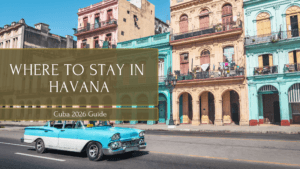
In Havana, Habana Vieja (Old Havana) offers colonial atmosphere and cobblestone streets but feels touristy, while Vedado provides local character. Varadero suits families and resort seekers. Trinidad and Baracoa appeal to those wanting smaller-town charm. Cayo Coco and Cayo Santa Maria cater to all-inclusive guests.
Travel Tips by Visitor Type
Families benefit from all-inclusive resorts that simplify meal planning. Casas particulares work well for family groups wanting local connections. Solo travellers and couples enjoy casas particulares for independence.


Weather & Best Time to Visit Cuba
Seasons
Cuba has two seasons: dry season (November–April) with comfortable temperatures and minimal rain, and wet season (May–October) featuring afternoon showers and higher humidity. September–October align with Atlantic hurricane season, though direct impacts remain relatively rare.
Best Months
November through March offers perfect weather for activities and sightseeing. February–March provides excellent conditions with fewer crowds and better rates. December–January peak season brings highest prices and most tourists.
Travel Timing Considerations
Families with young children prefer November–March for predictable weather. Rainy season travel suits budget-conscious visitors; accommodation prices drop significantly. Always pack light rain gear, sunscreen, and sun protection regardless of season.
Safety and Security: Is Cuba Safe for Tourists?
Cuba maintains a strong reputation as one of Latin America’s safest destinations for tourist activities. Petty theft occurs in Havana’s crowded areas and tourist areas, as in any major city, but violent crime against tourists is uncommon. The Cuban government maintains heavy police presence in tourist zones.
Common Concerns About Travel to Cuba
Many worry about political situations, but tourists enjoy genuine freedom to explore and photograph. Internet connectivity is slower and pricier than Western standards—a practical issue rather than security concern. Currency confusion between CUP and CUC can lead to overcharging; check rates before transactions.
Safety and Security Tips
Avoid displaying expensive jewellery, cameras, or large amounts of cash in crowded areas. Use official taxi services or ride-sharing apps rather than unmarked vehicles. Stay aware in Old Havana and coastal promenades at night, particularly alone. Keep document copies separate from originals. Your casa particular hosts often provide the best local advice.
Additional Safety Considerations
Tap water is generally safe in major cities but many visitors prefer bottled water for peace of mind. Traffic laws differ from Western countries; many Cuban cars are old and roads vary. Exercise increased caution in Cuba due to limited medical facilities outside Havana. Register with the Smart Traveler Enrollment Program and contact the embassy if issues arise.
Health and Documentation
Consult your doctor before traveling regarding vaccinations and medical needs. Obtain medical insurance and travel insurance before your trip; direct financial transactions may be limited depending on your nationality. Travel health notices are available through health departments.
Child Safety Considerations
International child abduction and international parental child abduction concerns are addressed through custody documentation. Ensure all required paperwork for travelling with minors is complete before arriving in Cuba.
Travel Restrictions and Entry Requirements
Understanding Current Restrictions
Travel restrictions to Cuba change based on political circumstances and sanctions. The Office of Foreign Assets Control (OFAC) oversees US sanctions policy. US citizens face specific restrictions; persons subject to US sanctions cannot legally travel without a license from OFAC. Non-US citizens should verify current travel restrictions with their embassy.
Department of State Guidance
The Department of State issues travel advisories for Cuba; check current guidance before booking your trip to Cuba. Travel to Cuba for tourist activities remains restricted for many US citizens, though humanitarian, educational, and cultural travel may qualify for exceptions.
Documentation for Entry
Visiting Cuba requires a valid passport and tourist card. Cuban citizens and persons with Cuban heritage may face additional requirements. Work in Cuba is prohibited without proper authorisation from Cuban authorities.
Financial Transactions
Credit and debit cards function inconsistently; many establishments don’t accept them. US dollars face surcharges; bring cuban pesos or convertible currency. Large amounts of cash should be declared. Direct financial transactions with Cuban entities face restrictions under OFAC regulations.
Who Cuba Is Best For
Families
Cuba’s beaches, manageable geography, and welcoming Cuban people make it ideal for family trips. All-inclusive resorts remove planning stress. Smaller towns like Trinidad offer safe, walkable bases for exploring colonial history without overwhelming crowds.
Backpackers
Casas particulares, local public transportation, and affordable dining make independent travel achievable. Cuba rewards wanderers venturing beyond resort areas, offering authentic interactions with Cuban culture and landscapes.
Digital Nomads
Affordable accommodation and low living costs attract nomads for medium stays (2–4 weeks), though connectivity remains slower than typical nomad hubs. Work in Cuba requires understanding OFAC restrictions and visa requirements.
First-Time Latin America Travellers
Cuba’s compact size, English spoken by tourism staff, and established tourism infrastructure suit first-time regional visitors.
Planning Your Trip to Cuba
Duration
One week allows thorough Havana exploration plus beach time. Two weeks opens access to remote areas like Baracoa. Allocate 3–4 days to Havana, followed by 4–7 days for beach or countryside exploration.
Typical Routes
Classic routes link Havana (3–4 days) with Varadero or cayos (3–4 days). History-focused trips combine Havana with Trinidad and Santiago de Cuba. Adventure seekers explore the Sierra Maestra and eastern regions. Most trips include Havana as entry point.
Transportation
Domestic airline flights connect cities affordably. Buses offer budget-friendly alternatives. Official taxi services and ride-sharing operate in cities; negotiate fares beforehand. Car rentals exist but international driving permit requirements vary. Many prefer guided tours or hired drivers for countryside exploration.
Money and Practical Matters
Bring credit and debit cards as backup, though cash remains primary. Cuban currency exchange rates vary; plan accordingly. A cuban SIM card provides data at high rates; many unlocked phones work with local carriers. Stay in Cuba requires registering with your embassy, particularly for extended stays.
Communication
WiFi exists in major hotels and tourist areas but speeds are slower than Western standards. Mobile data is expensive. Many travellers embrace limited connectivity as part of Cuba’s appeal.
Travel Tips for Success
Register with Smart Traveler Enrollment Program before departure. Keep emergency embassy contact information accessible. Cigars are iconic souvenirs but import rules vary by country; research before purchasing. Power outages occur; plan accordingly and bring portable charging devices.
National Security and Regulations
The National Security Presidential Memorandum outlines current US policy toward Cuba. US sanctions remain in effect; review treasury’s office of foreign assets control guidelines. Non-US travellers should verify their country hasn’t issued comparable restrictions.
Frequently Asked Questions About Travel to Cuba
Is travel to Cuba allowed right now?
Travel to Cuba is permitted for most nationalities, though regulations vary significantly by country. US citizens face the strictest limitations; only those with specific licences from OFAC or those engaging in approved educational, cultural, or humanitarian activities can legally visit. Non-US travellers should verify current travel restrictions with their embassy, as political circumstances change and may affect entry requirements. Always check the Department of State website and your country’s embassy before booking your trip to Cuba.
Can Americans go to a resort in Cuba?
US citizens can visit all-inclusive resorts in Cuba if they qualify under OFAC-approved travel categories. General tourist activities for US citizens remain prohibited, but licensed travel companies can arrange visits under humanitarian, educational, family reunification, or cultural exchange programmes. Those travelling legally under these categories may stay at any accommodation, including resorts. However, illegal travel carries significant penalties; consult with your embassy or a specialised travel company for current regulations before planning your stay in Cuba.
What is the cheapest month to go to Cuba?
September and October offer the lowest rates, as they coincide with hurricane season when fewer tourists visit. Late August and early May also provide budget-friendly pricing during shoulder seasons. If avoiding hurricane season entirely, April and early May offer good deals with minimal rainfall. December through March commands premium prices due to peak demand and optimal weather. Budget travellers willing to embrace occasional rain can save 30–50% by visiting during low season; rates for accommodation and airline flights drop substantially.
How much cash do I need for a week in Cuba?
Budget $200–400 USD for a week if staying in casas particulares, eating locally, and using public transportation. Mid-range travel requires $550–750 for modest hotels, restaurant meals, and guided activities. Luxury travel costs $1,400+ weekly. Bring mostly cash, as credit and debit cards function inconsistently. Exchange rates vary significantly; plan to carry large amounts of cash and use ATMs sparingly. Travel insurance and medical insurance should be arranged before arrival and aren’t included in daily budgets. Most visitors find staying in Cuba remarkably affordable compared to other Caribbean destinations.
Can Americans legally go to Cuba in 2025?
US travel policy toward Cuba remains restrictive but allows specific categories of visitors. Educational travel, cultural exchange, humanitarian missions, and family visits with proper documentation qualify for OFAC licensing. General tourism for US citizens remains prohibited. The Trump administration has signalled strengthened enforcement of sanctions and travel restrictions. US citizens should consult current government guidance and authorised travel companies familiar with OFAC regulations before planning visits. Non-US citizens face fewer restrictions and can typically travel without special authorisation, though they should verify entry requirements with their embassy.