Weather in Buenos Aires, Argentina in February (2026 Guide)
Weather in Buenos Aires, Argentina in February (2026 Guide)
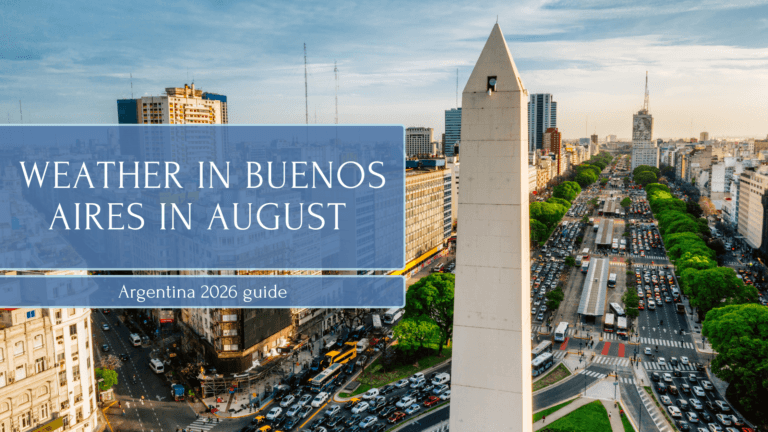
February is the best time to visit Buenos Aires if you thrive in heat, humidity, and crowds. It’s midsummer in Argentina, and the city feels alive with energy—but comfort requires strategy.
This guide covers weather in Buenos Aires during February, from temperature swings to precipitation patterns, so you can decide if this is your ideal time to visit Argentina. You can expect average temperatures in Buenos Aires to range from warm to hot, making it essential to pack lightweight clothing. Additionally, the city experiences occasional rains, so having an umbrella on hand could enhance your comfort during your visit. Exploring the vibrant neighborhoods becomes even more enjoyable when you know what weather to anticipate.
Quick Weather Snapshot
- Average high temperature: 29°C (84°F)
- Average low temperature: 20°C (68°F)
- Precipitation: Moderate (60–80 mm spread across 6–8 rainy days)
- Humidity: High (60–75% relative humidity)
- Season: Summer (peak heat in Argentina)
- Crowd level: High season (school holidays across Argentina)
- Overall comfort rating: Moderate to low for heat-sensitive travelers
What Buenos Aires Feels Like in February
February weather in Buenos Aires brings relentless heat and humidity. Expect sunny days with occasional afternoon thunderstorms that pass quickly. Mornings are warm and pleasant—the best time of the year for walking—but by midday the sun is intense. Evenings cool slightly but rarely drop below 18°C.
Walking and sightseeing through Buenos Aires are entirely possible, but you’ll need to pace yourself. Many locals adapt by taking siestas during the hottest hours and resuming activity around 6 p.m. The heat reflects off pavement in neighborhoods like San Telmo and La Boca, making shaded areas and cafés essential retreats.
Average Temperature in Buenos Aires in February
Daytime temperatures fluctuate between an average high of 29°C (84°F), with occasional spikes to 32–35°C (90–95°F). Average low temperatures settle around 20°C (68°F), creating a 9–15°C swing between day and night. This is significantly warmer than January, though not extreme. The sun is intense at all hours—high SPF sunscreen is non-negotiable. Wind speed remains light, offering little relief from the heat.
Precipitation and Rainfall in Buenos Aires in February
Rainy days typically arrive in short, heavy bursts—often in late afternoon—rather than all-day drizzles. Expect precipitation on 6–8 days throughout the month, but showers rarely last more than 30–60 minutes. Storms can be dramatic with thunder and lightning, but flooding is rare in central Buenos Aires. The real disruption isn’t the rainfall itself; it’s that humidity peaks right before storms, making outdoor walking uncomfortable. Morning activity in Buenos Aires is your safest bet for avoiding precipitation and high humidity.
Humidity and "Feels Like" Temperature in February
Humidity hovers between 60–75% relative humidity, which is genuinely muggy. Combined with 29°C heat, conditions feel muggy and thick—the “feels like” temperature can reach 33–35°C. Those sensitive to humidity will find afternoon hours draining. Locals adapt by showering frequently and drinking mate constantly. Indoor attractions become essential retreats from midday heat in Buenos Aires.
Is This the Best Time to Visit Buenos Aires?
February is high season for Argentina tourism. School holidays mean families travel, prices rise, and popular spots fill early. Hotels and restaurants cost 20–30% more than shoulder months. The tourist season peaks during February 1 onward through month’s end. If you dislike crowds and high prices, this isn’t the best time to visit Argentina. For those energized by bustling energy and seeking the best times for nightlife and tango festivals, February is ideal.
Best Things to Do in Buenos Aires in February
- Early morning walks in Palermo Soho: Start by 7–8 a.m. to explore before peak heat; this is the best time of the year for comfortable walking
- Tango shows and Argentine dinner: Evening entertainment when temperatures drop; many tango attractions stay open until midnight
- Recoleta Cemetery visit: Go early morning; afternoons are packed with high-season tourists
- Museo Nacional de Bellas Artes: Fully air-conditioned; ideal midday retreat during humid afternoons
- Open-air markets (San Telmo Antique Market): Sundays early morning; explore the streets of Buenos Aires before crowds
- Swimming pools and sports clubs: Many allow day passes; locals cool off in the water during summertime heat
- Theatre and cinema: Air-conditioned venues perfect for afternoon escape during high temperatures
- Puerto Madero evening stroll: The waterfront catches summer winds; best around sunset when weather cools slightly
Events and Local Festivals in February
Carnival in the country (mid-to-late February) brings street parades, parties, and local festivals, especially in neighborhoods like La Boca. Expect crowds and late-night energy.
Buenos Aires Tango Festival occasionally occurs in February, featuring performances across the city. Check event calendars for specific dates.
Feria Artesanal de San Telmo continues weekly (Sundays), though early morning visits are far more pleasant than afternoons.
Most cultural attractions remain open during high season, but many locals vacation elsewhere. February is an active month for nightlife and outdoor activities.
What to Pack for Weather in Buenos Aires in February
- Lightweight, breathable clothing: Cotton and linen in loose fits; short sleeves and shorts essential
- Sundress or light layers: For evening venues that blast air conditioning
- Hat and sunglasses: Non-negotiable protection against intense UV
- High-SPF sunscreen: Reapply every 2 hours if sweating; UV intensity is extreme
- Comfortable walking shoes: Broken in beforehand; cobblestones are tough on unsupported feet
- Umbrella or lightweight rain jacket: Compact for afternoon precipitation
- Moisturizer and lip balm with SPF: Sun and heat are drying
- Sweat-wicking socks and extra shirt: For active days and humidity management
- Light sweater or cardigan: For heavily air-conditioned indoor spaces
Seasonal Travel Tips for February in Argentina
- Siesta is real: Locals rest midday; many shops close 1–4 p.m. Plan indoor activities during hot afternoon hours
- Hydration is critical: Drink water constantly; heat and humidity dehydrate faster than you notice
- Evening is prime time: Restaurants and attractions stay busiest 8 p.m.–midnight; plan dinner after 9 p.m. to avoid crowds
- Neighborhoods have microclimates: Tree-lined areas like Palermo feel 2–3°C cooler; sun-exposed streets feel hotter
- Book accommodations now: February rates are fixed; no last-minute discounts available
- Daytime temperatures peak 1–4 p.m.: Plan outdoor activities for morning or after 6 p.m.
- Beach escapes nearby: The Atlantic coast and Tigre Delta are quick train rides if heat becomes unbearable
Weather Hazards During February in Buenos Aires
Heat stress is the primary concern during summertime—afternoon high temperatures and humidity create conditions where tourists risk dehydration and exhaustion. Thunderstorms are intense but short; lightning is a real risk, so avoid high ground during storms. Occasional hail accompanies larger storms. There are no seasonal floods. UV intensity is extremely high; sunburn develops quickly even on cloudy days. Wind speed is typically light, offering little cooling relief.
Key Takeaways
- February is hot and humid in Buenos Aires, Argentina—best for heat-tolerant travelers seeking high season energy
- Average high temperature of 29°C with 60–75% humidity creates “feels like” temperatures of 33–35°C
- Precipitation is brief and afternoon-focused; not a trip-killer but adds humidity beforehand
- Early mornings are golden hours for sightseeing; midday is best spent indoors in Buenos Aires
- High season means 20–30% higher prices and crowded attractions throughout Argentina
- Pack lightweight clothing, high-SPF sunscreen, and an umbrella for weather in Buenos Aires
- If heat and crowds drain you, consider visiting Argentina in March or April instead
FAQ
Is February the best time to visit Buenos Aires, Argentina?
It depends on your preferences. February is the best time to visit if you love summer heat, humidity, and nightlife. If heat exhausts you or you prefer lower prices and fewer tourists, March or April are stronger choices with nearly identical weather and attractions.
What's the warmest time of day in Buenos Aires during February?
Peak heat occurs between 1–4 p.m., when high temperatures are at their maximum and the sun is most intense. Morning (6–11 a.m.) and evening (6 p.m. onward) are substantially more comfortable for exploring Buenos Aires.
Will precipitation in Buenos Aires ruin my February trip?
No. Rainy days typically bring short bursts lasting 30–60 minutes, usually in late afternoon. Morning sightseeing in Buenos Aires is largely rain-free. The precipitation itself clears humidity briefly. Bring an umbrella but don’t let rainfall worry you.
How humid is Buenos Aires in February?
Humidity ranges from 60–75% relative humidity, which is noticeably muggy. Combined with 29°C heat, it can feel 4–6°C hotter than the actual average temperature. Indoor air-conditioned spaces and morning outdoor time are your comfort strategies when visiting Argentina.
What's the average daily itinerary for tourists visiting Buenos Aires in February?
Plan early morning walks (6–11 a.m.), then rest indoors during peak heat (1–4 p.m.) at museums or cafés. Resume outdoor activities around 6 p.m., then enjoy dinner and tango shows late into the evening—the best times for exploration when weather is cooler.
Additional Resources
For current weather data and forecasts, check Servicio Meteorológico Nacional, Argentina’s official weather service, which provides detailed weather information and MERRA-2 weather station data.
For tourism information and local festivals in Argentina, visit the Buenos Aires Official Tourism Site. When exploring the best neighborhoods in Buenos Aires, you’ll find vibrant street art, eclectic shops, and a rich cultural scene that reflects the city’s diversity. Each area offers a unique charm, from the historic architecture of San Telmo to the trendy cafes of Palermo. Don’t miss the opportunity to indulge in local cuisine as you stroll through these fascinating districts.
For historical weather data and monthly averages, consult Weather & Climate Argentina for detailed comparisons and hourly temperature patterns.