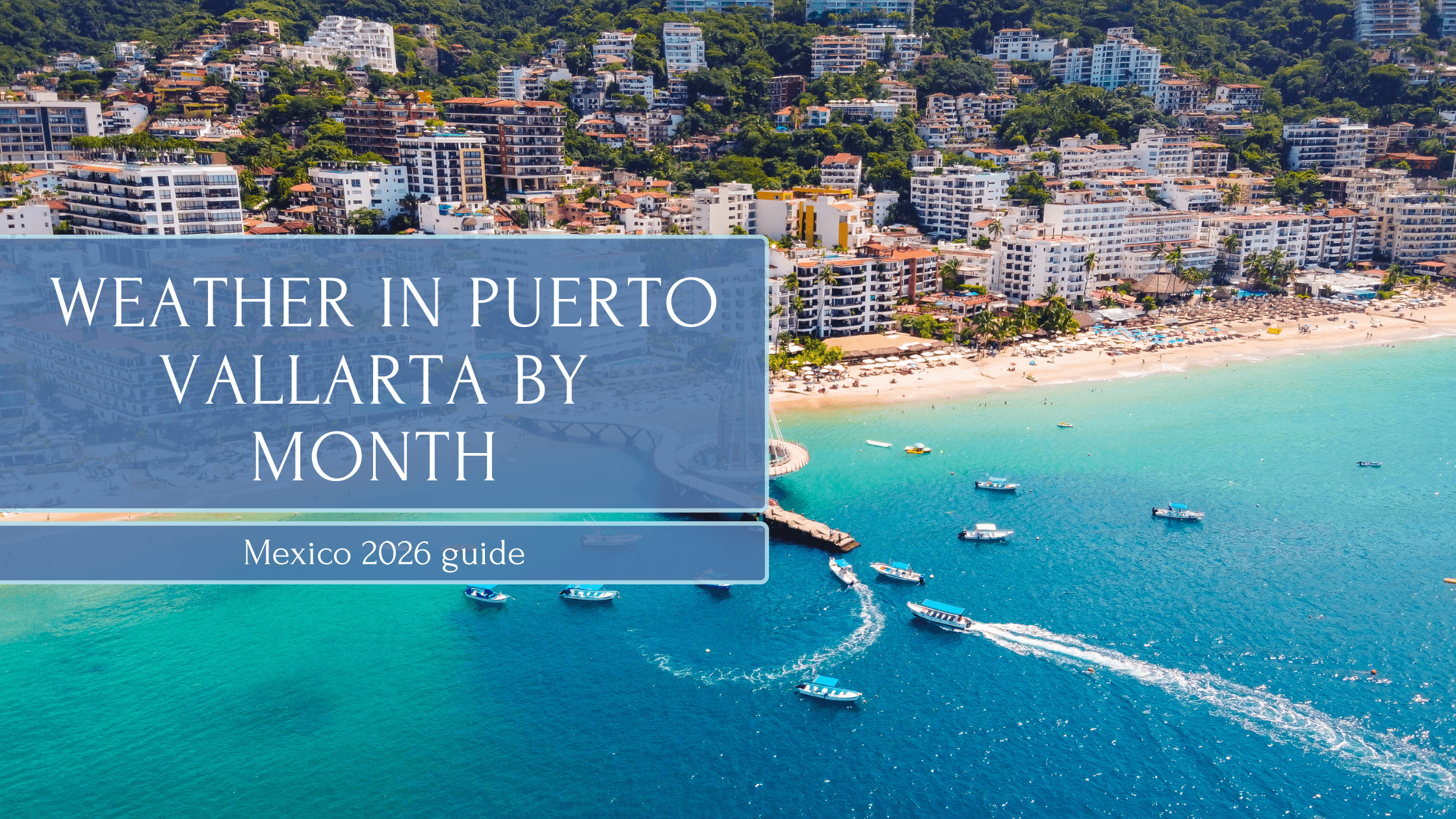
Weather in Puerto Vallarta, Mexico by Month
Weather in Puerto Vallarta, Mexico by Month
Puerto Vallarta stays warm year-round, but your comfort level swings hard between seasons. Located on Mexico’s Pacific coast in Jalisco, this destination’s tropical climate splits into two clear zones: a bone-dry, pleasant stretch from November to May, and a hot, humid, rain-heavy period from June to September. Understanding Puerto Vallarta climate patterns and the weather by month helps you pick the right trip for your priorities—whether that’s perfect beach days, whale watching, lush jungle views, or just cheaper prices. Weather in Puerto Vallarta, Mexico in March tends to be pleasantly warm, making it an ideal time for outdoor activities. With average temperatures ranging from the mid-60s to the low 80s Fahrenheit, visitors can enjoy everything from beach lounging to exploring local attractions without the sweltering heat. Additionally, March falls just before the rainy season, allowing for clear skies and vibrant sunsets that enhance the tropical experience. Weather in Puerto Vallarta, Mexico in January typically features warm temperatures and sunny skies, making it an ideal time for visitors looking to escape colder climates. With average highs around 78°F (26°C) and minimal rainfall, this month is perfect for enjoying outdoor activities like exploring the vibrant local markets or lounging on the beautiful beaches. Additionally, the pleasant weather allows for ample opportunities to experience Puerto Vallarta’s stunning sunsets and vibrant nightlife. Weather in Puerto Vallarta, Mexico in July can be quite humid, with average temperatures often reaching into the high 80s and frequent afternoon thunderstorms. This time of year is perfect for those looking to experience the lush green landscapes, as the rain brings the surroundings to life. However, travelers should be prepared for the occasional drizzle while enjoying the vibrant atmosphere of the town and its bustling nightlife.
This climate and weather breakdown covers what to actually expect each month so you can decide if the conditions match your travel style. Once you’ve chosen your dates, explore the options for where to stay in Puerto Vallarta to lock in your base.
Quick Weather Snapshot: Year-Round Overview
- Average temperature range: 21–30°C (70–86°F)
- Average high: 28°C (82°F), average low: 19°C (66°F)
- Coolest months: January–February
- Hottest months: July–August with high temperature peaks
- Humidity: 60–90% (peaks in summer)
- Average rainfall: Low (November–May), heavy (June–September)
- Dry season: November to May (best crowds/comfort)
- Rainy season: June–October (fewer tourists, cheaper)
- Ocean water temperature: 23–30°C (73–86°F)
- Daily sunshine hours: 5–9 hours across the year
- Hurricane season in Puerto Vallarta: June–November (low risk)
December & January: Peak Dry Season
December and January offer the most comfortable weather averages—warm sun without crushing heat. Average temperature reaches 26–27°C (79–80°F) daytime with low temperature nights dropping to 17°C (62°F). Humidity stays below 66%, days remain partly cloudy to clear, and daily sunshine hours average 8–9. This is prime whale-watching season.
Precipitation nearly vanishes—just 1–2 days of rain monthly. Water temperature reaches 24–25°C (75–77°F). Sun exposure is intense, so sunscreen is non-negotiable. These months draw heavy crowds and command premium pricing.
Best for: Whale watching, perfect beach weather, outdoor hiking. Skip if: You want to avoid crowds or premium prices.
February & March: Extended Dry Season
February holds cool, dry magic—night temperature drops to 13–14°C (55–57°F), daytime average high reaches 26–27°C (79–81°F). Average rainfall barely registers (5mm). Humidity stays below 70%.
March shifts by mid-month. Average temperature climbs toward 28°C (82°F), humidity edges up, and Semana Santa brings crowds. Whale sightings fade. You’ll feel summer approaching in this month of the year.
Best for: Families seeking comfortable heat, longer beach days, whale watching (early month). Skip if: Traveling late March and want to avoid crowds.
April & May: Hottest Dry Months
Overall feel: Hot but still dry, with morning showers rare and short. Transition period in this part of the year.
April is Puerto Vallarta’s driest month overall—virtually zero precipitation and barely one rainy day recorded historically. Average daily high temperature reaches 29–30°C (84–86°F), but low humidity keeps things manageable. Low temperature nights cool to 20°C (68°F). Water temperature warms to 25–26°C (77–79°F), perfect for swimming without coldness. Afternoon breezes help, and thunderstorms remain rare.
May heats up further. Average high climbs to 30–31°C (86–88°F), and mornings feel muggy by 9am. Average rainfall remains scarce (8mm), though occasional brief afternoon showers can pop up by month’s end as the hot season approaches. Humidity reaches toward 70%. These are shoulder months—fewer tourists than peak season, better hotel rates, and still solid beach weather. Spring break crowds have cleared.
Best for: Budget travelers wanting dry weather, ocean swimmers (water temperature warms up), couples seeking fewer crowds, outdoor activities without tourism pressure.
Skip if: You can’t handle heat above 30°C or prefer cooler nights.
June & July: Rainy Season Begins
June signals the shift toward the rainiest months. Mornings stay bright; afternoons bring heat, humidity (75–80%), and short bursts of rain typically late afternoon. Average rainfall reaches 56mm (June) to 160mm (July) across 16–20 rainy days—afternoon pop-ups, not day-ruiners.
July hits harder. Average daily high peaks 31°C (88°F), humidity tops 80%, and rain frequency increases. Water temperature warms to 28–29°C (82–84°F). Crowds drop, prices fall 30–50%, and the city feels genuinely local.
Best for: Budget travelers, photographers wanting dramatic skies, jungle hikes. Skip if: You dislike humidity over 75% or need guaranteed all-day sun.
August & September: Peak Rainy Season
August is the rainiest month—expect 160–170mm precipitation across 25–28 days. Mornings are clear; afternoon rains arrive 4–6pm, drench for 45–90 minutes, then stop. Humidity peaks 84–90%. Temperature hovers 28–30°C (82–86°F) but feels hotter.
September mirrors August as the rainiest month with 350–370mm average rainfall and 90% humidity. However, the jungle transforms to vibrant green, waterfalls roar, and prices hit yearly lows. The shortest daylight hours approach. These months see virtually no hurricanes—the Bay of Banderas provides natural protection.
Best for: Solo budget travelers, jungle explorers, photographers seeking dramatic weather. Skip if: You need consistent sunshine or can’t tolerate high humidity.
October: Shoulder Season Transition
October is the overlooked gem. Average rainfall drops sharply to 32–50mm by month’s end. Mornings stay clear, afternoons bring occasional brief showers, skies clear by evening. Humidity remains 75–85%, better than summer months. Average temperature holds steady 28–30°C (82–86°F). Water temperature stays 29°C (84°F). Daily sunshine hours improve.
Late October brings hurricane season considerations. However, Puerto Vallarta remains geographically protected. Crowds stay light, prices remain low—roughly half November rates. Day of the Dead celebrations begin.
Best for: Budget seekers wanting better weather, occasional rain, avoiding crowds. Skip if: You want guaranteed dry weather.
November: Gateway to High Season
November marks the turning point. Average rainfall drops to 28–35mm (2 days). Humidity retreats to 70%. Average temperature sits 28°C (82°F) daytime, 18°C (64°F) night. Water temperature cools to 26–27°C (79–81°F). Mornings are clear, afternoons sun-soaked, evenings pleasant.
Early November is the sweet spot—excellent weather without December’s crowds. Hotels fill by mid-month as tourists arrive. Prices climb but haven’t peaked.
Best for: Seeking dry weather without peak crowds/prices, families, outdoor enthusiasts. Skip if: You want cheapest rates or emptier beaches.
What the Weather in Puerto Vallarta by Month Actually Means
The reality: there’s no bad time, only different trade-offs.
Dry season (November to May): These months deliver predictable, comfortable weather perfect for activities. The weather averages range from 21–28°C (70–82°F). You’ll encounter crowds and pay premium prices during November to May. Whale watching happens December through March. Water temperature ranges 23–26°C (73–79°F)—cool enough to feel refreshing but warm enough to swim easily.
Rainy season (June to September): Hot, humid, afternoon showers dominate. Average daily temperatures reach 28–31°C (82–88°F). The jungle transforms, prices hit rock-bottom, and authentic Puerto Vallarta reveals itself. Morning sun means beaches work fine until early afternoon. During this time, average temperatures in Puerto Vallarta create a sultry environment perfect for lounging by the sea. As the sun sets, the tropical warmth lingers, making evenings ideal for exploring local cuisine. The vibrant nightlife comes alive, offering a perfect blend of relaxation and adventure.
Shoulder months (April–May, October–November): Sweet spot between excellent weather and reasonable crowds. April offers the driest conditions. October provides better weather than summer but cheaper than peak season from November to May.
Best Activities by Season
Dry Season (Nov–May)
- Whale watching excursions (Dec–Mar)
- Hiking jungle trails without slippery mud
- Kayaking and paddleboarding (calm water)
- Malecón boardwalk strolls (cool evenings)
- Horseback riding in mountains
- Beach lounging without heat fatigue
- Outdoor dining and nightlife
Rainy Season (Jun–Oct)
- Waterfall hikes (cascades at full power)
- Jungle photography (vivid greens)
- Rainy-day spa experiences
- Indoor gallery hops and cooking classes
- Snorkeling (fewer boats, clearer morning water)
- Fishing (catches increase)
- Early-morning beach walks (fewer tourists)
Events & Festivals by Month
- December–January: Christmas markets, New Year’s celebrations, Malecón events
- Late March–Early April: Semana Santa (Holy Week), Spring Break
- Late May: Pride celebrations
- September 16: Mexican Independence Day
- October 31–November 2: Day of the Dead, Guinness Record Catrina parade
- November–May: ArtWalk galleries (weekly Tuesday–Thursday)
- November: International Gourmet Festival
- December–March: Whale watching tours (peak December–February)
What to Pack for Puerto Vallarta Year-Round
All seasons:
- Sunscreen (SPF 50+)—UV index stays at 6 year-round
- Sunglasses and wide-brimmed hat
- Lightweight, breathable clothing suited to warm temperatures
Dry season (November to May) packing:
- Light sweater or cardigan (night temperature drops to 13–17°C / 55–62°F)
- Long pants for hillside dining and evening strolls
- Closed-toe shoes for cobblestone streets
Rainy season (June to October) essentials:
- Compact rain jacket or umbrella for afternoon showers
- Quick-dry shorts and t-shirts
- Water shoes (for muddy jungle paths)
- Moisture-wicking fabrics to manage high humidity
Year-round packing:
- Swimsuit and beach cover-up
- Walking sandals
- Lightweight rain poncho (essential rainy season)
- Small backpack for daily excursions
Seasonal Travel Tips
- Morning vs. evening: Start activities by 8am in rainy season to beat afternoon showers. Dry season allows flexible timing for sightseeing.
- Ocean conditions: Calm year-round. Rainy season brings slightly rougher water but nothing dangerous to swimmers.
- Air conditioning: Essential during hot months from May–September. Some older hotels lack adequate cooling; confirm before booking.
- Humidity comfort: June to September humidity tops 80%; locals take siestas 2–5pm. Plan indoor activities or pools for midday hours.
- Pacing your itinerary: Dry season allows packed itineraries. Rainy season works better with 1–2 activities per day and built-in rest.
- Restaurant reservations: High season from November to April requires dinner reservations. Low season books same-day or day before.
- Sunburn risk: Dry season sun is intense year-round. Apply sunscreen every 2–3 hours on beaches and when snorkeling.
- Nighttime layering: Even summer nights cool to 23–24°C (73–75°F) on the Pacific coast. Bring a light layer for evening beach walks or rooftop bars.
Weather Hazards in Puerto Vallarta by Month
Rainy season (June to October):
- Afternoon/evening downpours (short-lived, not dangerous to travelers)
- Humidity over 80% (uncomfortable but not hazardous)
- Increased mosquito activity (use repellent containing DEET)
- Muddy hiking trails post-rain (wear appropriate water-resistant footwear)
Dry season hazards (November to May):
- Intense sun (UV index 6 year-round) causes rapid sunburn
- Dehydration if hiking without adequate water supply
Year-round weather hazards:
- Hurricane season in Puerto Vallarta runs June to November, though the city is largely protected by geography
- Ocean rip currents (rare, but always swim in designated areas)
- No altitude concerns (Puerto Vallarta sits at sea level on the Pacific coastline)
Storm protection: Puerto Vallarta’s location in the Banderas Bay shields it from direct hurricane impacts. In 15+ years, the city has rarely experienced severe storm damage or flooding.
Key Takeaways
- Dry months (November to May) deliver perfect weather, crowds, and premium prices—ideal for families, first-timers, and whale watching season.
- Rainy season (June to September) brings afternoon showers, lush jungle transformations, rock-bottom pricing, and authentic Puerto Vallarta experiences.
- April is the driest month of the year, ideal for those wanting dry season weather with fewer crowds than peak winter months.
- October is the overlooked gem shoulder month, offering better weather than summer months, lower prices than peak season, and fewer tourists.
- Morning sun is reliable year-round; afternoon storms only occur during rainy season and typically clear by evening.
- Water temperature ranges 23–30°C (73–86°F); cooler from November–March, warmest July–September for swimming comfort.
- No season is truly “bad”—your choice depends on priorities including weather preferences, crowd tolerance, budget, and desired activities.
Frequently Asked Questions
Is Puerto Vallarta safe to visit during the rainy season?
Yes. Rain consists of afternoon showers, not all-day downpours. Hurricane risk is minimal thanks to the Bay of Banderas protection. Locals and expats live and work here year-round during rainy season. Stick to designated swimming areas and avoid hiking immediately after heavy rain events.
What months should I avoid when visiting Puerto Vallarta?
No month is avoidable—only trade-offs exist. If crowds stress you, skip December to April peak season. If humidity over 80% exhausts you, skip June to September. If budget matters most, aim for the rainy season June to September. If weather guarantees matter most, choose November to May.
When’s the best time to visit Puerto Vallarta with families?
November to February offers cool mornings perfect for families and whale-watching tours. April to May keeps dry weather without Semana Santa crowds and chaos. Avoid June to September if young kids are heat-sensitive. Overall: late November or April to early May balance comfortable weather, manageable crowds, and reasonable affordability.
Can I swim in Puerto Vallarta year-round?
Yes. Water temperature ranges 23–30°C (73–86°F) across all seasons. Cooler November to March means refreshing dips; warmest July to September make the ocean feel like a bathtub. All months offer swimmable conditions on the Pacific coast.
What’s the actual hurricane risk in Puerto Vallarta?
Low. Puerto Vallarta sits in Banderas Bay, a natural geographic barrier that deflects Pacific storms. In recent decades, direct hurricane impacts have been rare. Hurricane season in Puerto Vallarta runs June to November, bringing afternoon downpours rather than tropical storms. If major hurricanes threaten, tour operators cancel excursions, but the city itself rarely experiences significant damage.
Sources & Additional Reading
Learn more about Puerto Vallarta’s climate from these authoritative sources:
- Weather Spark Climate Data – Detailed monthly temperature, humidity, and precipitation averages
- Comisión Nacional Del Agua (CONAGUA) – Mexico’s National Water Commission with official meteorological data
- Lonely Planet Puerto Vallarta Guide – Expert travel advice on seasonal conditions and events