
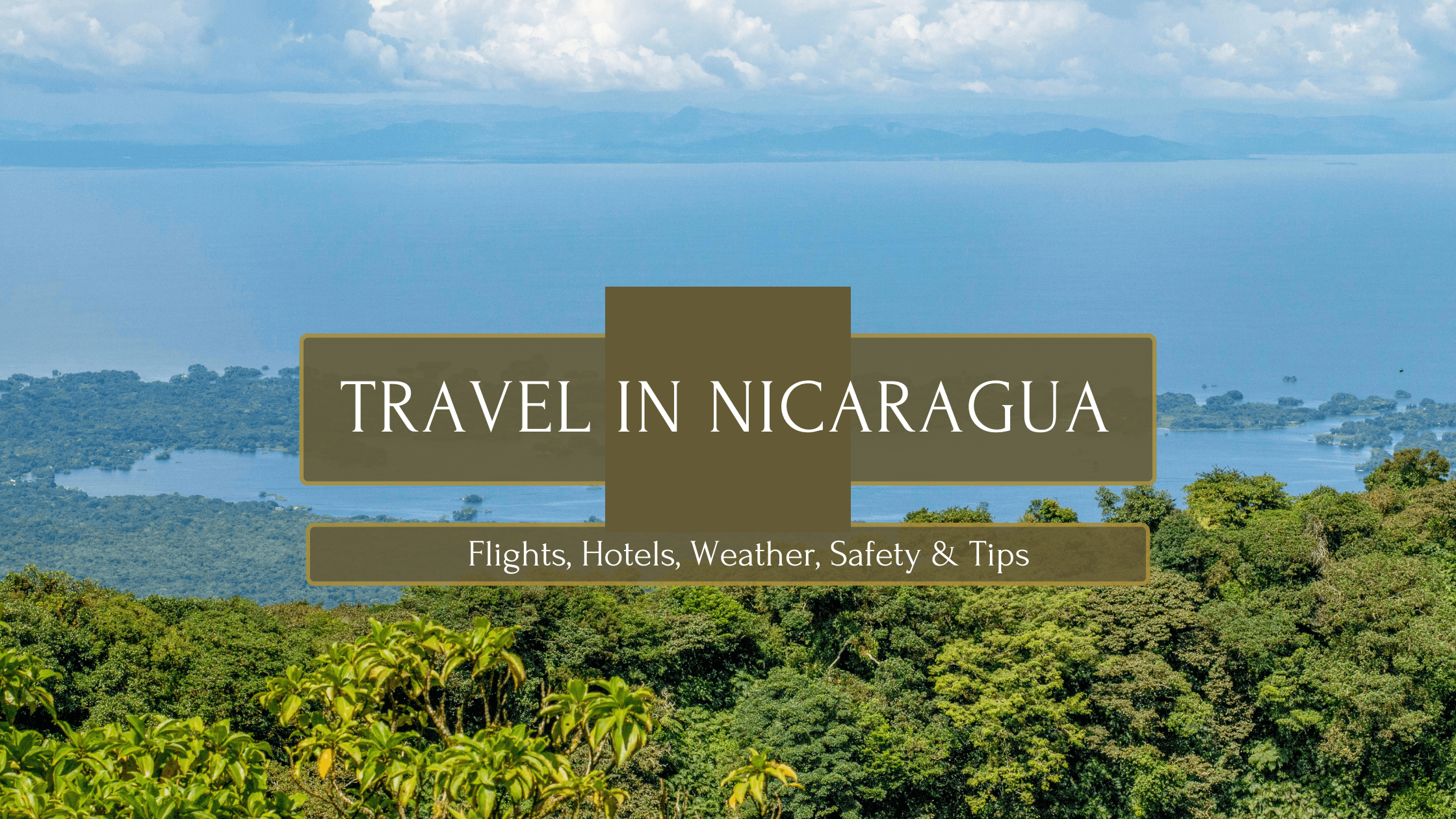
Travel in Nicaragua: Complete Destination Guide
Flights, Hotels, Weather, Safety & Tips
Nicaragua is one of Central America’s most affordable and rewarding destinations, earning its nickname as the “land of lakes and volcanoes.” Whether you’re a budget traveller seeking authentic experiences, a family looking for adventure, a digital nomad searching for affordability with solid infrastructure, or a couple planning a romantic getaway, this Central American destination delivers genuine hospitality, stunning nature, and excellent value for money.
This travel in Nicaragua guide covers everything you need to know about visiting Nicaragua, from booking flights and finding accommodation to understanding the climate, health requirements, and staying safe. Whether you’re spending two weeks backpacking or settling in for months as a digital nomad, this travel advice will help you plan confidently.
Quick Facts About Nicaragua
Capital: Managua
Currency: Nicaraguan Córdoba (NIO). US dollars are widely accepted throughout the country.
Languages: Spanish (official); English is spoken in tourist areas and along the Caribbean coast.
Time Zone: Central Standard Time (CST), UTC-6.
Entry Requirements: Most visitors from North America, Europe, and Australia can enter visa-free for up to 90 days with a valid passport (six months validity required). Check entry and exit requirements with your embassy of Canada to Nicaragua or relevant consulate before travel.
Plug Type: Type A and Type B. Bring a universal adapter.
Typical Budget Range: Budget travellers spend $25–$40 daily; mid-range travellers $60–$100. Families may budget $150+ daily.
Flights to Nicaragua
Getting to This Central American Destination
Augusto C. Sandino International Airport (MGA) in Managua is Nicaragua’s primary international hub, receiving flights from North America, South America, and Europe. Some travellers use Costa Rica’s San José airport as an alternative entry point, though this adds ground transportation time.
Direct and one-stop flights connect Nicaragua to major US cities including Miami, Houston, Los Angeles, and Orlando. From Europe, most routes require connections through Miami or Houston. Regional flights within Central America connect to Guatemala, Honduras, and Costa Rica easily.
Best Booking Practices for Travel to Nicaragua
Flights are most affordable during green season (May–October). Book international flights 4–6 weeks in advance. Be flexible with your arrival day—mid-week flights often cost less. When planning a trip to Nicaragua, compare prices across multiple platforms and set alerts for your preferred dates.
Hotels in Nicaragua: Where to Stay
Accommodation Types Available in Nicaragua
Nicaragua offers diverse lodging options. Budget travellers favour hostels in Granada, San Juan del Sur, and Managua (\$12–\$20 nightly). Mid-range hotels and guesthouses ($40–$80) are abundant in most cities and beach locations. Vacation apartments ($60–$150+) appeal to families and longer-term visitors. Eco-lodges and boutique resorts ($80–$250+) cater to nature immersion seekers.
Popular Destinations for Different Travellers
Granada, one of the oldest cities in Central America, remains the most visited destination, renowned for colonial architecture and proximity to Lake Nicaragua. San Juan del Sur on the Pacific coast attracts surfers, backpackers, and families. Managua serves as the transit hub. The Caribbean coast, including Corn Island and Big Corn Island, appeals to budget-conscious beach seekers. Ometepe Island and the northern highlands attract nature lovers.
For families: Resort areas with pools (San Juan del Sur, Ometepe) or family-friendly guesthouses in Granada with kitchen access provide flexibility.
For backpackers: Granada, San Juan del Sur, and Ometepe Island form the classic backpacker trail with social hostels and affordable dining.
For digital nomads: Growing communities in Granada and San Juan del Sur offer co-working spaces, reliable internet, and affordable long-term accommodation.
For couples: Granada’s colonial boutique hotels and beachfront bungalows along the Pacific coast offer romance and value.
Travel Advisories and Safety Information
Government Travel Advisories for Nicaragua
A high degree of caution in Nicaragua is advised for certain areas. While millions visit annually without incident, conditions can change. Monitor local media and check government of Nicaragua announcements before travel.
Some regions carry a higher degree of caution in Nicaragua designation. Violent crime targeting tourists is rare, but petty theft occurs in specific areas. Avoid displaying expensive items, and use registered taxis rather than hailing cabs on the street.
Practical Safety Advice for Travellers
Vehicle accidents are the primary hazard for many travellers visiting Nicaragua. Drive defensively, avoid driving at night, and use established rental companies. Ask local hosts about beach conditions before swimming. Nicaraguan authorities recommend staying aware of your surroundings in crowded markets and bus terminals.
Travellers visiting well-established tourist areas, staying in reputable accommodation, using registered transport, and practising awareness typically encounter no issues. Tourism police are present in major tourist zones throughout the country.
Health and Entry Considerations
Before travel, consult medical advice and travel health professionals. A valid yellow fever vaccination certificate may be required for entry or transit through certain countries before Nicaragua. Hepatitis A, typhoid, and malaria prevention are recommended in some regions; risk of malaria varies by location and season.
Tap water quality varies. Safe to drink tap water in major cities like Managua and Granada, but many travellers prefer bottled water. Dengue, hepatitis, typhoid, and malaria are present. Obtain travel insurance covering medical expenses and evacuation.
Hurricane Season and Weather Alerts
Tropical storms and hurricanes primarily affect the Caribbean coast, with peak season September–November. Monitor local media during these months. Conditions can change rapidly, so register with your embassy before travel and stay informed throughout your visit.
Best Time to Visit Nicaragua
Seasons Explained
Nicaragua has two main seasons: dry (November to April) and green or rainy season (May to October). The dry season brings mostly sunny days and comfortable temperatures (75–85°F). The rainy season features afternoon rains and lush vegetation, with mornings typically clear.
Optimal Time to Visit
November through March offers ideal conditions for most travellers. December and March–April provide excellent weather with fewer crowds and lower costs. January–February see peak tourism and highest prices.
September and October experience heaviest rainfall, making some roads impassable, though certain areas remain accessible. Hotel availability is best during rainy season, and prices drop significantly—ideal for flexible travellers willing to navigate occasional rain.
Who This Central American Destination Is Best For
Families: Nicaragua offers adventure and value. Kids enjoy zip-lining, swimming in volcanic crater lakes, exploring colonial cities, and relaxing on family-friendly beaches. Accommodation with kitchens and pools makes extended stays practical.
Backpackers: A thriving backpacker trail connects Granada, San Juan del Sur, and Ometepe. Budget accommodation, cheap local food, social hostels, and accessible outdoor activities (hiking, surfing, island hopping) make Nicaragua ideal.
Digital Nomads: Growing digital nomad communities in Granada and San Juan del Sur provide co-working spaces, solid internet, and affordable long-term rates. You can travel freely around Nicaragua while maintaining work commitments.
First-Time Central America Travellers: Nicaragua offers manageable size, straightforward transport, English in tourist areas, and genuine cultural experiences without overwhelming complexity.
Planning Your Trip: Essential Travel Guide Information
How Long to Stay and Key Destinations
Two weeks allows exploration of multiple regions: Managua (entry), Granada, Ometepe Island, and San Juan del Sur. One week enables comfortable visits to Granada and one beach destination. A month-long visit supports slower travel and deeper cultural immersion.
The classic route connects Managua → Granada (colonial city and Lake Nicaragua) → Ometepe Island (volcano hiking and nature) → San Juan del Sur (Pacific coast beaches). Alternative routes include northern highlands for coffee plantations or Caribbean coast for diving.
Transport and Connectivity
Domestic flights are affordable for longer distances. Buses serve major routes; air-conditioned coaches handle long distances, while local buses connect smaller towns affordably. Car rentals provide flexibility but require defensive driving. Boats connect islands and Caribbean locations.
Public transport is reliable in most areas. Taxis are inexpensive and widely available; use registered services or ride-sharing apps, particularly at night. Ask locals about current conditions and safe routes.
Practical Information for Entry and Exit
You’ll need 90 days or less for most visa-free visits. Check entry and exit requirements with your embassy before departure. Travel insurance is highly recommended. Keep copies of important documents separate from originals.
Prepaid SIM cards are inexpensive and widely available upon arrival. Mobile data is reliable in cities and tourist areas but inconsistent in remote regions. Most hotels and restaurants offer free WiFi. Register with your government before travel so you can stay informed about conditions.
Frequently Asked Questions About Travel in Nicaragua
‘
Yes, millions of travellers visit Nicaragua annually and have positive experiences. While a high degree of caution in Nicaragua is advised for certain regions, most tourist areas remain safe when you exercise standard precautions. Avoid displaying valuables, use registered taxis, stay aware of your surroundings, and monitor local media. Conditions can change, so check travel advisories before departure and register with your embassy. Travellers who follow practical safety guidelines travel freely throughout popular destinations without incident.
How many days do I need in Nicaragua?
One week allows comfortable exploration of Granada and one beach destination. Two weeks enables visits to multiple regions: Managua, Granada, Ometepe Island, and San Juan del Sur. A month-long visit supports slower travel, deeper cultural immersion, and time to settle in as a digital nomad. Many travellers extend beyond initial plans due to Nicaragua’s affordability and welcoming atmosphere.
Is Nicaragua safe for Americans right now?
Nicaragua is generally safe for Americans visiting popular tourist areas. However, travel advisories recommend a high degree of caution in Nicaragua for certain regions due to gang violence and organized crime offenses. US citizens should avoid anti-government protests and sensitive political areas. The safest places include Granada, Ometepe Island, San Juan del Sur, and Corn Island. Stay informed, register with the US embassy before travel, and avoid displaying wealth or valuables.
What should I avoid doing in Nicaragua?
Avoid displaying expensive jewellery, cameras, or large amounts of cash. Don’t hail taxis on the street at night—use registered services or ride-sharing apps instead. Don’t drive after dark or on unfamiliar roads. Avoid participating in anti-government activities or political demonstrations. Don’t accept drinks from strangers or leave drinks unattended. Stay away from drug-related activities entirely. Don’t swim alone on remote beaches without checking conditions first. Avoid travelling alone to isolated areas, particularly at night.
What is the safest place in Nicaragua?
Granada, one of the oldest cities in Central America, is widely considered the safest destination for travellers. San Juan del Sur on the Pacific coast and Ometepe Island are also very safe with established tourist infrastructure. Corn Island and Big Corn Island offer secure beach experiences. Managua is generally safe in tourist zones and city centre areas but requires more caution than resort destinations. Choose accommodation in well-established tourist areas and stay in populated neighbourhoods, particularly after dark.