Where to Stay in Cusco, Peru (2026 Guide)
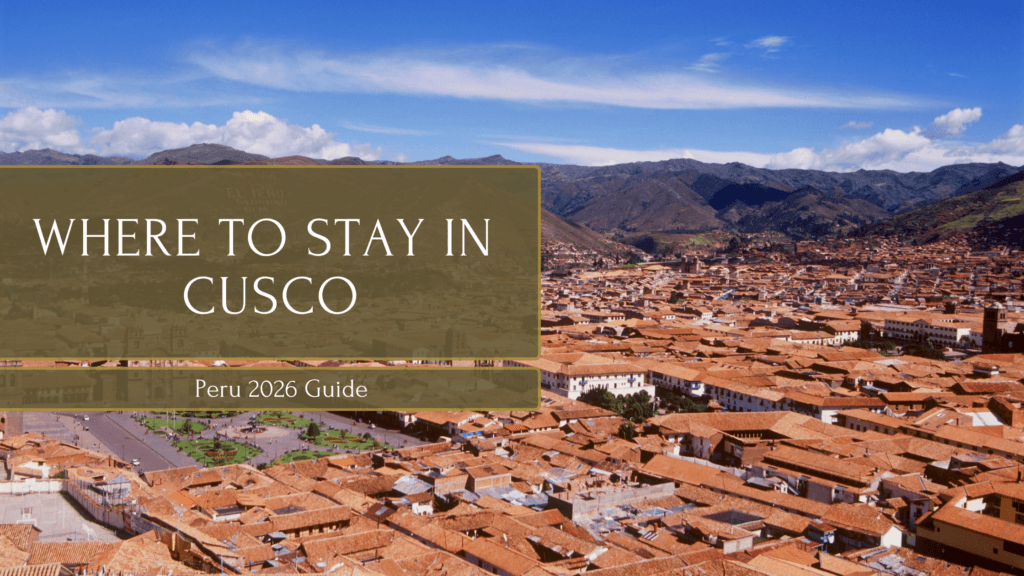
Where to Stay in Cusco, Peru (2026 Guide)
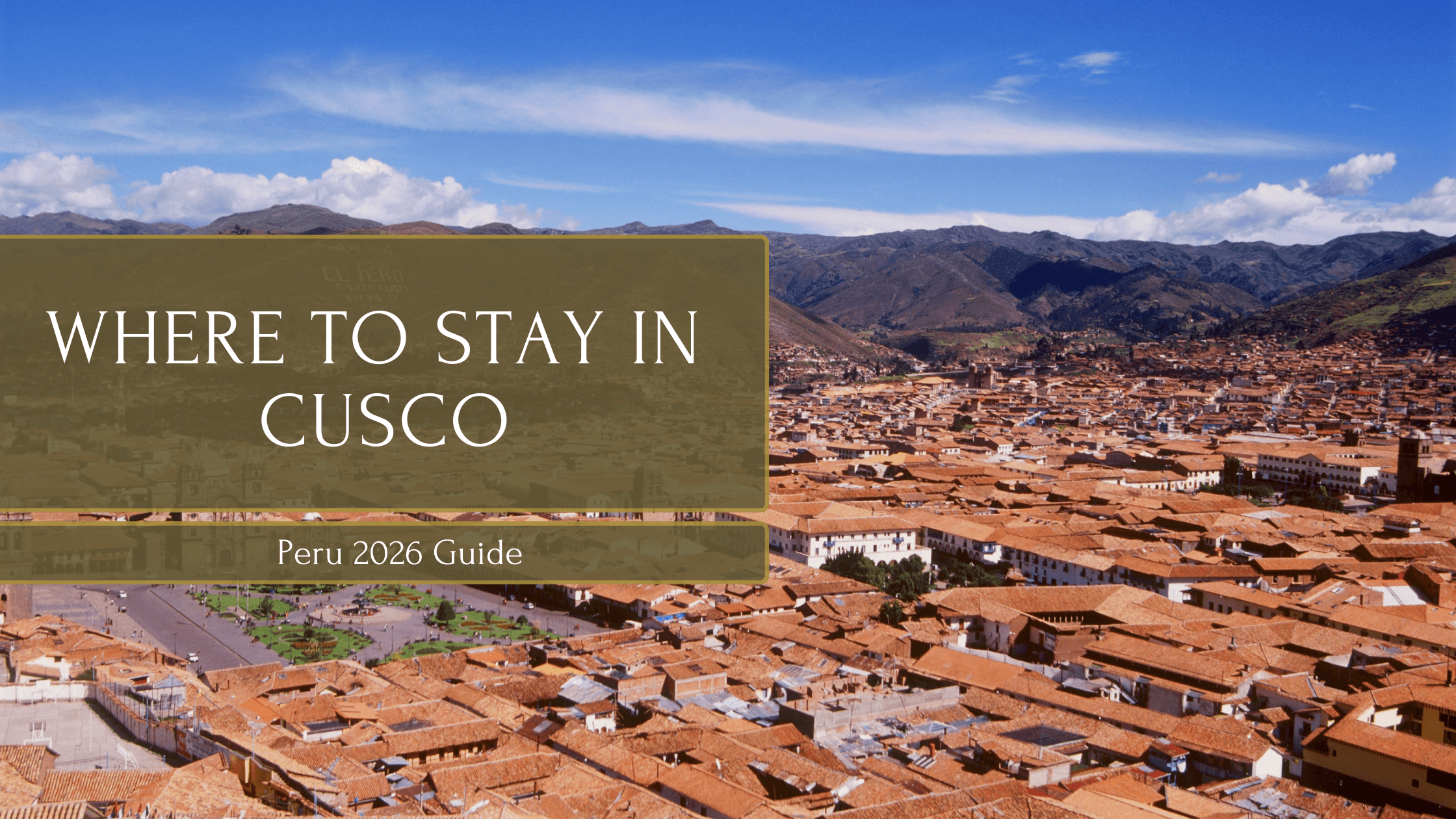
Cusco isn’t just the gateway to Machu Picchu. It’s the former capital of the Inca Empire, where Inca walls meet colonial architecture, where altitude sickness hits hard, and where your hotel choice can make or break your first few days.
Choosing where to stay in Cusco matters more than most Peru travel destinations. The historic center puts you near everything but comes with tourist crowds and steep cobblestone streets. Stay too far out, and you’ll waste time and money on taxis. This guide breaks down the best areas to stay so you can pick the perfect place to stay for your trip to Cusco. For travelers heading to Huaraz, finding affordable accommodations in Huaraz is essential to enjoying the stunning natural beauty of the region. Budget-friendly options range from cozy hostels to charming guesthouses, ensuring a comfortable stay without breaking the bank. Many places also provide easy access to local tours and treks, making it a perfect base for your adventures.
What to Expect in This Post
This guide to where to stay is built for quick scanning and real-world decisions. Here’s what you’ll get:
- Neighborhood breakdowns for first-time visitors, including safety and walkability notes
- Who each area is best for based on your travel style and priorities
- Practical guidance on hotels vs hostels and what to avoid
- Honest pros and cons for each district without the sales pitch
- Quick reference sections for nightlife, food, and family-friendly areas
- FAQs covering the questions most travelers actually ask about accommodation in Cusco
Where to Stay in Cusco: Quick Overview
- San Blas – Bohemian charm, boutique hotels, best places to stay for first-timers
- Plaza de Armas area – Heart of Cusco, most convenient, noisy at night
- San Cristóbal – Local vibe, hillside views, budget-friendly hostels
- Santiago – Working-class authentic, San Pedro Market nearby
- Wanchaq – Residential, safe, requires more taxi use
San Blas: Best Accommodation for First-Time Visitors
The San Blas neighborhood is where most first-time visitors should stay in Cusco.
This bohemian district sits just uphill from Plaza de Armas. Narrow cobblestone streets wind past artisan workshops, cafes, and some of the city’s best restaurants. The area feels more residential than the main square while keeping you within walking distance of everything.
Best for: Couples, solo travelers, and anyone who wants walkable access to museums, restaurants, and Inca Trail pickup points without staying directly on the tourist strip.
San Blas has a strong police presence and feels safe day and night. The uphill walk from the main square takes 10 minutes but will remind you that Cusco sits at 11,150 feet. Most accommodation options here are boutique hotels and guesthouses in restored colonial buildings, including properties like Antigua Casona San Blas.
You’ll find converted casonas—colonial mansions with interior courtyards—offering more character than standard hotels. Many boutique hotels in this area include spa services and oxygen support for altitude adjustment.
The San Blas neighborhood gets quieter after 10 PM. You’ll find better value here than around Plaza de Armas, with rooms featuring private bathrooms and thoughtful Inca-inspired design details.
Plaza de Armas: Heart of Cusco's Hotel Scene
Plaza de Armas is Cusco’s main square and the most convenient place to stay in Cusco for your first night.
You can walk to restaurants, ATMs, pharmacies, and tour agencies in minutes. Most Machu Picchu and Rainbow Mountain tours pick up from hotels in this zone. The cathedral, museums, and bus stops to Pisac and the Sacred Valley are all within a five-minute walk.
Best for: Travelers who prioritize convenience over atmosphere, late arrivals, or anyone doing day trips who wants minimal walking.
The trade-off is noise and the hustle and bustle. Bars and clubs around the square stay open late. Street vendors and tour touts are constant during the day. According to Peru’s Ministry of Culture, the Plaza de Armas area sees over 3 million visitors annually, making it the busiest tourist zone in visiting Cusco.
Hotels or hostels here range from international properties to converted colonial buildings. JW Marriott El Convento Cusco occupies a former monastery with preserved frescoes. Hotel Monasterio, another restored religious building, offers luxury accommodation with oxygen-enriched rooms.
Expect to pay 20-30% more than comparable hotels in San Blas or San Cristóbal. Many properties around the square include buffet breakfast and have front desk staff who can handle Machu Picchu booking and luggage storage before your Inca Trail departure.
San Cristóbal: Budget Hotels with Best Views
San Cristóbal offers the best views of the city from its hillside perch above the historic center.
This residential neighborhood sits a 15-minute uphill walk from Plaza de Armas. The climb is steep, especially during your first days adjusting to altitude. Locals fill the streets during the day, and you’ll find family-run restaurants serving affordable Peruvian food.
Best for: Budget travelers, photographers, and visitors who want an authentic neighborhood feel without sacrificing safety.
The area is safe and genuinely local. You’ll see fewer English-language signs and more corner stores than tourist shops. Most accommodation here consists of small guesthouses and hostels rather than boutique hotels. Many offer shared or private bathroom options at half the price of hotels in the heart of Cusco.
Hostels in San Cristóbal typically include common areas where travelers swap tips on exploring Cusco and planning trips to the Sacred Valley. Some properties have rooftop terraces with panoramic views across the terracotta rooftops.
San Cristóbal connects to the center via taxi for 5-8 soles ($1.50-$2). Walking down is easy; walking back up after a full day of touring is harder than it sounds at this altitude.
Santiago: Local Peru Near San Pedro Market
Santiago is Cusco’s most authentic working-class neighborhood within walking distance of the center.
Located south of Plaza de Armas, Santiago has markets, traditional restaurants, and residential streets where tourism hasn’t changed the character. San Pedro Market, the city’s main market, sits on the edge of this district and offers the cheapest meals in classic Cusco style.
Best for: Long-term travelers, Spanish speakers, and budget-conscious visitors who want to experience local Peru beyond the tourist areas in Cusco. Exploring Machu Picchu in detail allows travelers to delve into the rich history and engineering marvel of the Inca civilization. Visitors can hike the surrounding trails, gaining a unique perspective of the ruins and breathtaking landscapes. For those looking to enhance their experience, guided tours offer insights that go beyond the surface, making the journey even more rewarding.
Safety is generally good, but use common sense at night. Stick to main streets after dark and take taxis to your accommodation. The neighborhood has fewer hotels and more hostels and basic guesthouses. Some travelers prefer to stay here for the authentic atmosphere before heading back to Cusco after trekking the Inca Trail.
Santiago puts you 10-15 minutes on foot from Plaza de Armas. Most visitors pass through this area on their way to San Pedro Market but don’t consider staying here. That’s exactly why it works for travelers seeking lower prices and real neighborhood life.
Hotel options are limited, but several small properties offer rooms with private bathrooms and basic amenities. Don’t expect spa services or oxygen support, but you will find genuinely warm hospitality.
Wanchaq: Residential Accommodation in Cusco
Wanchaq is a modern residential district southeast of Cusco’s historic center.
This area has supermarkets, gyms, and the feel of a working neighborhood rather than a tourist destination. The streets are wider and less historic than the center. You’ll find apartment rentals and a handful of mid-range hotels.
Best for: Families, visitors staying more than a week, or travelers who prefer a quiet base and don’t mind using taxis daily.
The neighborhood is safe and well-lit but lacks the colonial architecture and walkability that draw most people to stay in Cusco. TripAdvisor data shows that less than 5% of tourists choose Wanchaq, which means you won’t bump into tour groups at breakfast.
Taxis to Plaza de Armas cost 6-10 soles and take 10 minutes. Budget accordingly if you plan to eat out or visit attractions daily. This area works for travelers who want to stay in the Sacred Valley rhythm—quiet mornings, day trips out, early nights—without paying historic center prices.
Best Hotels and Hostels for First-Time Visitors
If this is your first time in Cusco, stay in one of these areas:
- San Blas – Best overall for walkability, safety, and boutique hotel atmosphere
- Plaza de Armas area – Most convenient for tours, with options from hostels to luxury properties like Palacio del Inka
- San Cristóbal – Good budget alternative with authentic feel and great views
These neighborhoods put you within walking distance of restaurants, ATMs, and tour pickups. They all have strong police presence and feel safe for solo travelers and couples exploring Cusco on foot.
The best hotels in these areas include oxygen support, coca tea service, and help with altitude adjustment. Many offer secure luggage storage if you’re hiking the Inca Trail or visiting Rainbow Mountain before returning.
Best Place to Stay in Cusco for Nightlife and Food
San Blas has the best restaurant concentration in Peru’s most visited highland city, from casual cafes to upscale Peruvian fusion spots.
The neighborhood attracts chefs who want to explore the San Blas vibe with smaller spaces and more creative menus than the tourist restaurants around Plaza de Armas. You’ll find options for every budget, including vegetarian restaurants serving quinoa bowls and alpaca-free options.
For nightlife, Plaza de Armas and nearby streets dominate. Bars and clubs stay open until 2-3 AM on weekends. The scene caters to tourists and backpackers, with reggaeton, live music, and craft beer bars all within a few blocks. Several recommended hotels in this zone have soundproofed rooms to block the noise.
San Blas goes quieter after 10 PM but has several wine bars and intimate spots for drinks without the club scene. Properties like Casa Cartagena Boutique Hotel and Aranwa Cusco Boutique Hotel are located in the heart of the action but maintain peaceful courtyards.
Best Area for Families Visiting Cusco
San Blas works best for families who want a neighborhood feel with easy access to the city center.
The pedestrian streets mean less traffic to worry about. Small plazas give kids space to run around. The uphill location keeps you slightly removed from the late-night bar noise around the main square.
Look for hotels with common areas where kids can play and courtyard spaces typical of converted casonas. Some boutique hotels allow families to book connecting rooms with private bathrooms.
Wanchaq suits families planning longer stays who want apartment space and a residential environment. Supermarkets and parks make daily life easier, though you’ll rely on taxis for sightseeing around Cusco.
Avoid staying directly on Plaza de Armas with young children. The noise level and constant crowds make it harder for families who need predictable bedtimes and quiet mornings during their entire stay.
Hotels vs Hostels: Decide Where to Stay in Cusco
Hotels make more sense for most visitors to Cusco, Peru.
Stays are typically short (2-4 nights) before heading to Machu Picchu or the Sacred Valley. Hotels include breakfast, have staff who can book tours and taxis, and provide help adjusting to altitude sickness. Many offer coca tea in the lobby and oxygen if needed—critical support at 11,150 feet.
Boutique hotels in restored casonas offer historic charm with modern comfort. Properties like Hotel Monasterio San Pedro and similar luxury hotels provide spa services, oxygen-enriched rooms, and attentive service worth the premium for short stays.
Hostels work better for budget travelers, solo backpackers, and anyone staying longer. Most hostels in Cusco offer private bathroom rooms alongside dorm beds. Common areas facilitate meeting other travelers heading to the Inca Trail or planning trips around Cusco.
The hostel scene concentrates in San Blas and San Cristóbal, where you’ll find social atmospheres and shared kitchens. Book early for hostels if traveling during peak season (May-September).
Where NOT to Stay When Visiting Cusco
Avoid booking a hotel in Cusco far from the historic center without checking the map first.
Neighborhoods like Larapa, Ttio, and areas near the airport sound convenient but leave you disconnected from restaurants, attractions, and the city’s walkable core. You’ll spend more on taxis than you save on nightly rates. These areas aren’t ideal if you want to explore Cusco properly.
Skip hotels advertising “near Cusco” or “Cusco outskirts” unless you have a car. Cusco is one of those cities where distance matters more at altitude when you’re tired from travel and acclimatization.
Don’t assume all of the historic center offers equal value. Some hotels on busy streets near Plaza de Armas face noise from bars until 3 AM. Read recent reviews about noise levels before booking, especially if you’re returning back to Cusco after a long trek.
Avoid properties without altitude support if this is your first high-altitude trip. Look for places offering oxygen, coca tea, and knowledgeable front desk staff who understand altitude adjustment needs.
Key Takeaways
- San Blas is the best overall place to stay in Cusco for first-time visitors who want walkability and historic charm
- Plaza de Armas offers maximum convenience but comes with crowds and noise—ideal for short stays
- Boutique hotels in converted casonas provide the best Cusco experience with courtyards and Inca-inspired design
- Hostels in San Cristóbal and San Blas offer budget accommodation with social atmospheres and private bathroom options
- Book hotels with altitude support like oxygen and coca tea—critical at 11,150 feet
- Stay within walking distance of Plaza de Armas to minimize taxi dependence and maximize time exploring
- Read recent noise reviews before booking anything near the main square or nightlife areas
FAQs About Accommodation in Cusco
What is the best area to stay in Cusco for first-time visitors?
San Blas is the best area for first-timers seeking a place to stay in Cusco. It’s walkable, safe, and puts you close to restaurants and attractions without the noise and crowds of Plaza de Armas. The neighborhood has boutique hotels with character and feels more residential while keeping you central to explore Cusco.
Is it safe to walk around Cusco at night?
Cusco’s historic center including San Blas and Plaza de Armas is safe to walk at night. Police patrol regularly, and streets stay busy until 11 PM. Use common sense, stick to well-lit main streets, and take taxis from restaurants or bars after midnight, especially if your hotel is uphill.
How many days should I stay in Cusco before Machu Picchu?
Plan 2-3 days to stay in Cusco before visiting Machu Picchu to acclimatize to the altitude. Add 1-2 more days after the Inca Trail if you want to explore museums, San Pedro Market, and nearby Inca ruins. Most travelers spend 3-5 nights total, with some choosing to stay in the Sacred Valley between visits.
Should I stay near Plaza de Armas or in San Blas?
Stay in the San Blas neighborhood for a quieter, more authentic experience with better restaurants and boutique hotels. Choose Plaza de Armas only if you need maximum convenience for early morning tours or have mobility concerns. San Blas is a 10-minute walk from Plaza de Armas—close enough for easy access.
What's the difference between hotels and hostels in Cusco?
Hotels in Cusco offer private rooms with private bathrooms, breakfast, and services like oxygen support and tour booking. Best hotels include properties like Palacio del Inka and converted casona hotels. Hostels provide budget accommodation with dorm beds or private rooms, common areas for socializing, and fewer amenities but better prices for longer stays.
Should I book a hotel with a courtyard?
Yes, hotels with courtyards (typical of converted casonas) offer quieter rooms away from street noise and provide peaceful spaces with historic charm. Many boutique hotels around Plaza de Armas and San Blas feature interior courtyards with colonial architecture and are located in the heart of the city while maintaining tranquility.
Is Cusco better for hotels or Airbnb?
Hotels are better for typical 2-4 night stays in Cusco, Peru. They provide buffet breakfast, tour booking assistance, and altitude support like coca tea and oxygen. Airbnb works for week-long stays or families who want apartment space, but selection is limited in areas in Cusco where you actually want to stay—mainly the historic center.