
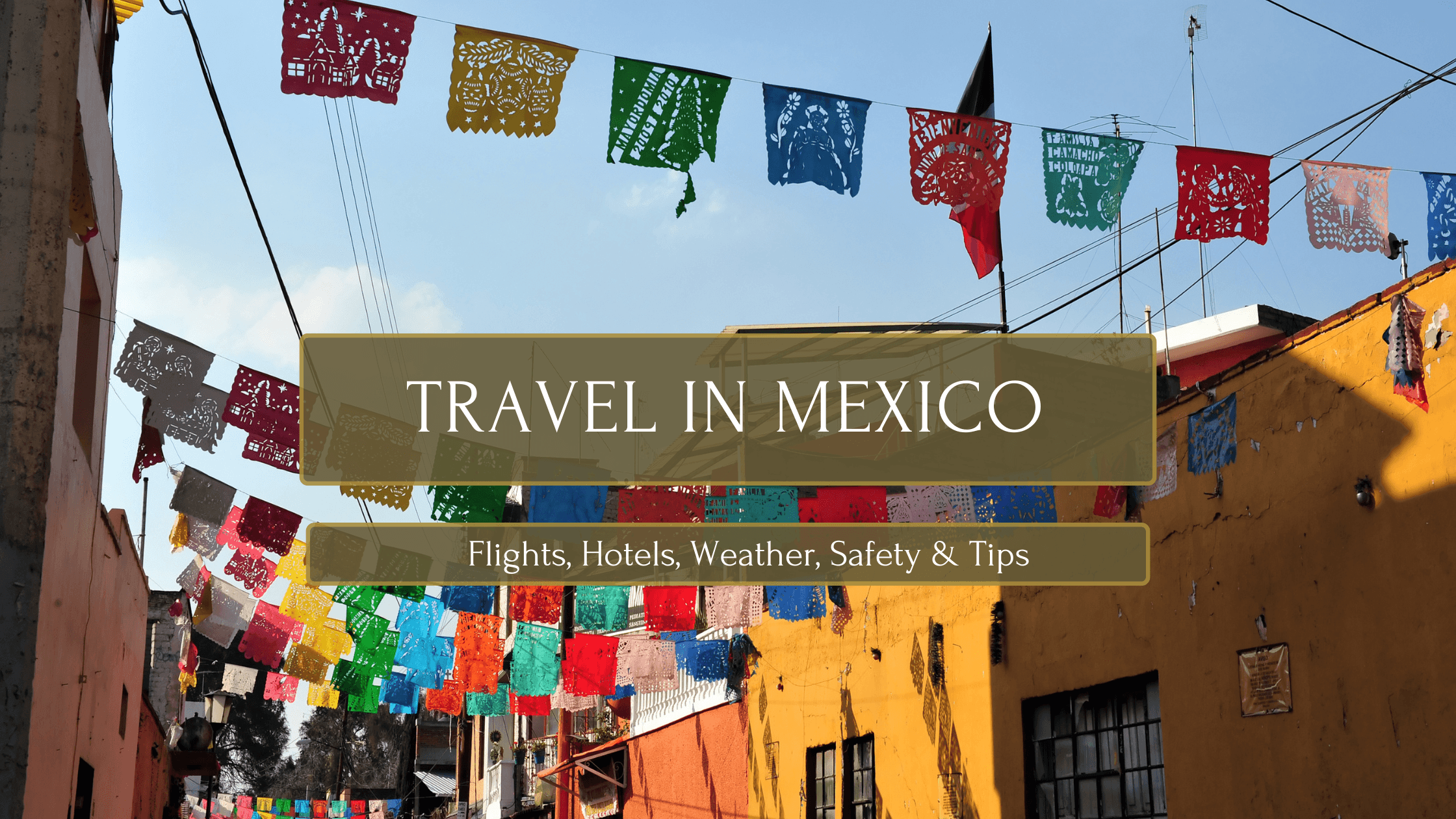
Travel in Mexico: Your Complete Mexico Travel Guide
Flights, Hotels, Weather, Safety & Tips
Mexico is one of Latin America’s most accessible and diverse destinations for your trip to Mexico, combining ancient civilizations, vibrant culture, stunning coastlines, and world-class archaeology. Whether you’re exploring colonial cities, lounging on Caribbean beaches, or hiking through rainforests, Mexico offers something for every type of traveller. This Mexico travel guide covers everything you need to know about visiting Mexico, from the bustling streets of Mexico City to hidden beach towns across Mexico.
This comprehensive mexico travel advisory and guide covers everything you need to plan your trip to Mexico—from booking flights and finding accommodation to understanding the climate and staying safe. Whether you’re a first-time visitor or planning your return to Mexico, you’ll find practical information to help you make the most of your Mexico trip. We’ll help you navigate travel advisory updates and discover the best places to stay in Mexico while experiencing authentic Mexican food and iconic tacos.
Quick Facts About Mexico
Capital: Mexico City, the heart of Mexico and the country’s largest metropolis.
Currency: Mexican Peso (MXN). ATMs are widely available in cities and tourist areas throughout Mexico. Credit cards are accepted in most establishments, though cash is preferred in smaller towns and markets.
Languages: Spanish is the primary language. English is spoken in tourist areas, but learning basic Spanish phrases is helpful and appreciated by locals.
Time Zone: Central Time (CST) in most of Mexico. Parts of northwest Mexico, including Baja California, observe Mountain Time. Mexico does not observe daylight saving time year-round.
Visa Overview: Citizens of the US, Canada, UK, Australia, and most European nations need a visa or tourist card upon entry, valid for up to 180 days. A tourist card is typically issued upon arrival. Check current travel advisory information with your embassy or the US Department of State before travel, and ensure your passport is valid for at least six months beyond your intended stay.
Plug Type: Type A and B (two flat pins, same as the US). Voltage is 125V, 60Hz.
Typical Budget Range: Budget travellers can expect to spend $30–50 USD daily. Mid-range travellers should budget $60–120 daily. Luxury travel varies widely depending on location and preferences. Beach resorts and Mexico City tend to be pricier than colonial towns and rural areas like Oaxaca.
Mexico Travel: Flights to Mexico
Mexico is one of the most connected destinations globally. The country’s major international airports handle millions of passengers annually, with competitive routes from North America, Europe, and throughout Latin America. Whether you’re booking your trip to Mexico for the first time or returning, direct flights make reaching Mexico simple.
Main International Airports: Mexico City International Airport (MEX) is the largest hub, serving most international carriers and serving as an international airport gateway. Cancún International Airport (CUN) dominates Caribbean resort traffic. Other significant gateways include Guadalajara (GDL), Puerto Vallarta (PVR), and Monterrey (MTY). Most travellers fly into one of these major hubs before continuing to their final destination.
Flight Routes: From the US, flights to Mexico are abundant and affordable, with routes from every major city to Mexico City, Cancún, and beach destinations. Flight times from the US West Coast range from 4–6 hours; from the East Coast, 5–7 hours. European flights typically connect through hubs like Mexico City or Cancún, requiring one stop. Regional travellers from Central America and the Caribbean will find direct flights to multiple Mexican cities. Intra-Latin America connections are well-established, making Mexico a convenient hub for multi-country itineraries.
When Flights Are Cheapest: Shoulder seasons—April to May and September to October—typically offer better prices than peak winter months (December–February) or summer holidays. Booking 6–8 weeks in advance generally yields better fares. Tuesday and Wednesday departures are often cheaper than weekend flights.
Booking Tips: Compare prices across multiple platforms before you enter Mexico. Consider flying into Mexico City even if your final destination is elsewhere—it’s often the cheapest international airport gateway. Red-eye flights and connections may save money if you’re flexible with arrival times. Set up price alerts if you have flexible travel dates.
Hotels & Accommodation: Where to Stay in Mexico
Mexico’s accommodation options range from budget-friendly hostels to luxury all-inclusive resorts, with excellent places to stay in Mexico for every travel style and budget. Finding the right accommodation is key to a successful Mexico trip.
Accommodation Types: Hostels are popular for backpackers and solo travellers, offering dorm beds and private rooms at $10–30 per night. Budget hotels provide basic but comfortable private rooms for $20–60 nightly. Mid-range hotels and boutique hotels offer better amenities and locations, typically $60–150 per night. Vacation rentals and apartments are excellent for families and longer stays, particularly in popular destinations and resort areas. Luxury hotels range from $150–500+, while all-inclusive resorts dominate beach town and coastal areas throughout Mexico.
Price Ranges by Travel Style: Budget travellers thrive in colonial towns like Oaxaca and San Miguel de Allende, where accommodation and authentic Mexican food are significantly cheaper than in touristy coastal areas. Beach resorts command higher prices, especially in Cancún and Playa del Carmen, though budget options exist in less developed beach towns. Many boutique hotels in Mexico City offer reasonable rates for mid-range travellers.
Where Travellers Stay: Mexico City’s Condesa and Roma neighborhoods are popular with tourists seeking restaurants and nightlife. The historic center of Mexico City offers cultural attractions within walking distance. Cancún and Playa del Carmen dominate Caribbean beach tourism on the Yucatan Peninsula. Oaxaca attracts cultural and culinary travellers seeking authentic experiences. Puerto Vallarta suits those seeking Pacific beaches with charm. Guadalajara appeals to digital nomads and culture-focused visitors. Merida and the Yucatan region combine affordability with colonial architecture and accessibility. Tulum offers beachfront resort areas and cenotes for eco-conscious travellers. One of the best neighborhoods in Oaxaca city is the historic central area, known for its vibrant markets and stunning architecture. Visitors can explore the charming streets while sampling local cuisine, which is an essential part of the Oaxaca experience. Additionally, the nearby neighborhoods offer a blend of traditional culture and modern amenities, making them appealing for both short stays and long-term living.
What to Prioritise: Families should look for accommodation with pools, kitchenettes, and proximity to attractions suitable for children. Solo travellers benefit from social hostels and centrally-located hotels in walkable neighborhoods across Mexico. Digital nomads need reliable wifi, workspaces, and proximity to coworking hubs—many mid-range hotels now advertise these amenities. Travellers should consider travel insurance to protect their accommodation bookings.



Weather in Mexico by Month
Weather in Mexico varies significantly by region and altitude. Coastal areas remain warm year-round, while highlands experience more seasonal variation. Understanding the seasons is crucial for planning your trip to Mexico.
Seasons Explained: The dry season (November–April) features warm, sunny weather with little rainfall—ideal for most activities and visiting beaches. This is peak tourism season and prices reflect demand from travellers worldwide. The rainy season (May–October) brings afternoon thunderstorms, particularly in July and August, though mornings are usually sunny. September and October see the tail end of hurricane season in coastal regions, though direct hits are uncommon. This is also the best time to visit if you seek free travel deals and lower accommodation costs.
Best Time to Visit Mexico: November through March offers consistently pleasant weather throughout Mexico. December and January are peak tourist season with higher prices and larger crowds in resort areas. April and May provide warm weather with smaller crowds and lower prices for mid-range accommodation. September and October are off-season across much of Mexico with good deals on accommodation and activities, but afternoon rain is frequent. The Yucatan Peninsula has slightly different seasonal patterns than other parts of Mexico.
Weather Considerations: Families with young children may prefer the dry season’s stability for planning activities. Beach activities are enjoyable year-round, though the Atlantic coast experiences rougher conditions November–March. Hiking and outdoor exploration are best during dry months throughout Mexico. Rain rarely prevents activities—storms are often brief afternoon downpours. Cenotes and water activities are accessible year-round.
Hurricane Season: The Atlantic coast is technically in hurricane season June–November, though direct impacts are rare. Cancún and the Caribbean coast have good storm infrastructure and safety protocols. The Pacific coast experiences fewer major hurricanes than the Atlantic-facing Yucatan Peninsula
Weather in Puerto Vallarta, Mexico in December
Weather in Puerto Vallarta, Mexico in December December marks the start of peak season in Puerto Vallarta for a reason. The weather in Puerto Vallarta
Weather in Puerto Vallarta, Mexico in November
Puerto Vallarta Weather in November November is Puerto Vallarta’s sweet spot. The rainy season winds down, humidity drops, and you dodge both September’s sweltering heat
Weather in Puerto Vallarta, Mexico in October
Weather in Puerto Vallarta, Mexico in October October in Puerto Vallarta sits between the peak summer heat and the dry winter season, making it a
Weather in Puerto Vallarta, Mexico in September
Weather in Puerto Vallarta, Mexico in September Discover Puerto Vallarta’s September weather: the rainy season at its peak, with hot temperatures, daily downpours, and lower
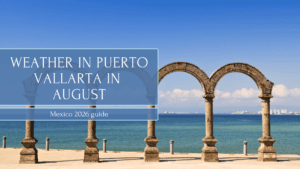
Weather in Puerto Vallarta, Mexico in August
Weather in Puerto Vallarta in August August in Puerto Vallarta is hot, humid, and defined by the rainy season. The Pacific hurricane season peaks, and
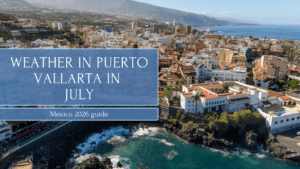
Weather in Puerto Vallarta, Mexico in July
Weather in Puerto Vallarta, Mexico in July Puerto Vallarta in July is hot, humid, and rainy—but not in the way you might think. While the
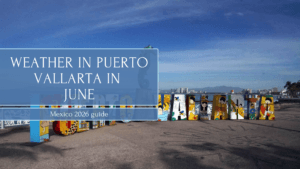
Puerto Vallarta Weather in June
Puerto Vallarta Weather in June June in Puerto Vallarta means hot, humid days punctuated by afternoon downpours. The summer rainy season is in full swing,
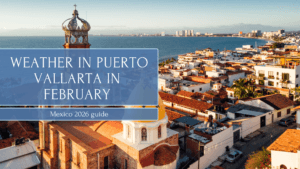
Weather in Puerto Vallarta, Mexico in February
Weather in Puerto Vallarta in February February in Puerto Vallarta delivers what most winter travelers come for: consistent warmth, bone-dry skies, and virtually no rain.
Weather in Puerto Vallarta, Mexico in March
Weather in Puerto Vallarta in March March in Puerto Vallarta is warm, mostly dry, and ideal for beach trips. You’re looking at sunny days, low
Safety in Mexico: Travel Advisory & Health Considerations
Mexico welcomes millions of tourists annually. Like any destination, safety requires common sense and awareness, but the vast majority of travellers visit without incident. Current travel advisory information shows that popular tourist areas remain safe for visitors.
Safety Overview: Popular tourist destinations—Cancún, Playa del Carmen, Mexico City, Oaxaca, Tulum, and colonial towns—have substantial tourist infrastructure and security. These areas see constant international visitor traffic and are accustomed to tourists from around the world. While crime in Mexico exists in specific regions and neighbourhoods, violent crime does not affect tourist areas as a blanket rule. The US Department of State and other government agencies regularly update travel advisory guidance.
Common Concerns: Petty theft and pickpocketing happen in crowded markets and public transport, but aren’t specific to Mexico or unique to your trip to Mexico. Scams targeting tourists are rare in established tourism zones throughout Mexico. Emergencies in Mexico are handled professionally in tourist areas with English-speaking medical staff available.
Practical Safety Tips: Avoid displaying expensive jewellery, cameras, or electronics in public. Use registered taxis or ride-sharing apps rather than hailing taxis on the street. Don’t travel alone late at night in unfamiliar areas. Stay in well-travelled, well-lit neighbourhoods throughout Mexico. Keep copies of your passport separate from the original. Register with your embassy if travelling to remote parts of Mexico. Purchase travel insurance before your trip to Mexico to cover health emergencies.
Consult your country’s travel advisory before departure and check current health and safety recommendations. Ask your hotel staff which neighbourhoods are safe to explore—local knowledge is invaluable for any trip to Mexico.
Who Mexico Is Best For
Families: Mexico is one of the best family destinations in Latin America. The combination of beaches, ancient ruins like Chichén Itzá, cenotes, and family-friendly resorts makes it ideal for family travel. All-inclusive resorts handle meals and childcare concerns. Cancún and the Caribbean coast offer beach safety and amenities. Ancient sites educate children about Mayan and aztec history.
Backpackers: Hostels throughout Mexico are well-established, social, and affordable. The gringo trail connects major destinations with efficient bus companies and tourist services. Oaxaca, Merida, and San Miguel de Allende attract long-term backpackers with low costs and strong communities. Many travellers extend their Mexico trip far longer than planned.
Digital Nomads: Mexico City, Playa del Carmen, and Merida have developed nomad communities with coworking spaces, reliable wifi, and networking opportunities. Visa flexibility allows extended stays for remote work. Cost of living is reasonable for the amenities available. Time zone compatibility with North America is convenient for based travel arrangements.
First-Time Latin America Travellers: Mexico is one of the most visitor-friendly entries to Latin America. The country’s proximity to North America, efficient tourism infrastructure, and English prevalence in tourist areas make it an excellent entry point. Visitor-friendly services reduce friction for first-time international travellers.
Planning Your Mexico Trip: Transport & Connectivity
How Long to Stay: A week allows exploration of one region thoroughly—either beach relaxation or a mix of cultural sites. Two weeks permits visiting multiple regions and experiencing diverse attractions across Mexico. Three weeks or longer is ideal for mixing beaches, colonial towns, and archaeological sites without rushing.
Typical Travel Routes: The Caribbean coast route connects Cancún → Playa del Carmen → Tulum → cenotes and is extremely popular among tourists. The colonial heartland explores Mexico City → Guanajuato → San Miguel de Allende → Oaxaca. Pacific routes combine Puerto Vallarta with inland colonial towns. Multi-region itineraries mix beach time with cultural exploration throughout Mexico and the Yucatan Peninsula.
Transport Basics: First-class buses (autobuses de primera clase) connect major cities affordably and comfortably—they’re a reliable way to get around Mexico. Bus companies operate modern fleets with good safety records. Flight prices between domestic cities are competitive and often cheaper than long bus rides. Rental car options and affordable car rentals are available through major companies; renting a car suits self-directed exploration but isn’t necessary in touristy areas. Mexico City has an extensive metro system. Colectivos (shared vans) handle local and regional travel economically.
Connectivity & Practical Tips: Wifi is widely available in hotels, cafes, and tourist areas throughout Mexico. Mobile data coverage is excellent with local SIM card options available at airports and convenience stores. A SIM card is an affordable way to stay connected during your trip to Mexico. Travel insurance should cover your entire stay and any activities you plan. Most travellers find connectivity sufficient for navigation and staying in touch without issues. Tips for Mexico include downloading offline maps before venturing into remote areas.
FAQs: Travel in Mexico
Is Mexico safe for tourists in 2025?
Yes, travel in Mexico is safe for tourists when you stick to well-known destinations and follow basic precautions. Popular areas like Mexico City, Oaxaca, Playa del Carmen, and Mérida receive millions of visitors every year. Safety varies by region, so researching your destination and avoiding high-risk areas matters more than the country as a whole.
What do I need to know before traveling to Mexico for the first time?
First-time travelers should know that Mexico is easy to navigate, affordable, and very tourist-friendly. You’ll need a valid passport, may receive a tourist entry permit on arrival, and should plan transportation in advance. Understanding local customs, tipping norms, and basic Spanish phrases can make travel in Mexico smoother.
Do I need a visa to travel in Mexico?
Most travelers from the US, UK, Canada, Australia, and the EU do not need a visa for tourist stays up to 180 days. Immigration officers determine the length of stay on arrival, so be clear about your travel plans and accommodation when entering Mexico.
Is Mexico good for family travel?
Yes, Mexico is a great destination for families. Resorts, family-friendly cities, reliable transport, and affordable accommodation make traveling with children manageable. Destinations like Cancun, Puerto Vallarta, Mexico City, and Oaxaca offer activities suitable for all ages.
What is the best time of year to travel in Mexico?
The best time for travel in Mexico is generally between November and April when the weather is drier and temperatures are comfortable. The rainy season runs from May to October, though rain is often short and manageable, especially outside hurricane-prone coastal areas.
How expensive is it to travel in Mexico?
Mexico can be very budget-friendly or more upscale depending on how you travel. Budget travelers can comfortably get by on affordable food, public transport, and mid-range hotels, while luxury travelers will also find high-end resorts and experiences. Overall, Mexico offers excellent value compared to many destinations.
Is it easy to get around Mexico as a tourist?
Yes, getting around Mexico is straightforward. Domestic flights are affordable, long-distance buses are comfortable and reliable, and rideshare apps operate in major cities. For most travelers, travel in Mexico doesn’t require renting a car unless visiting remote areas.